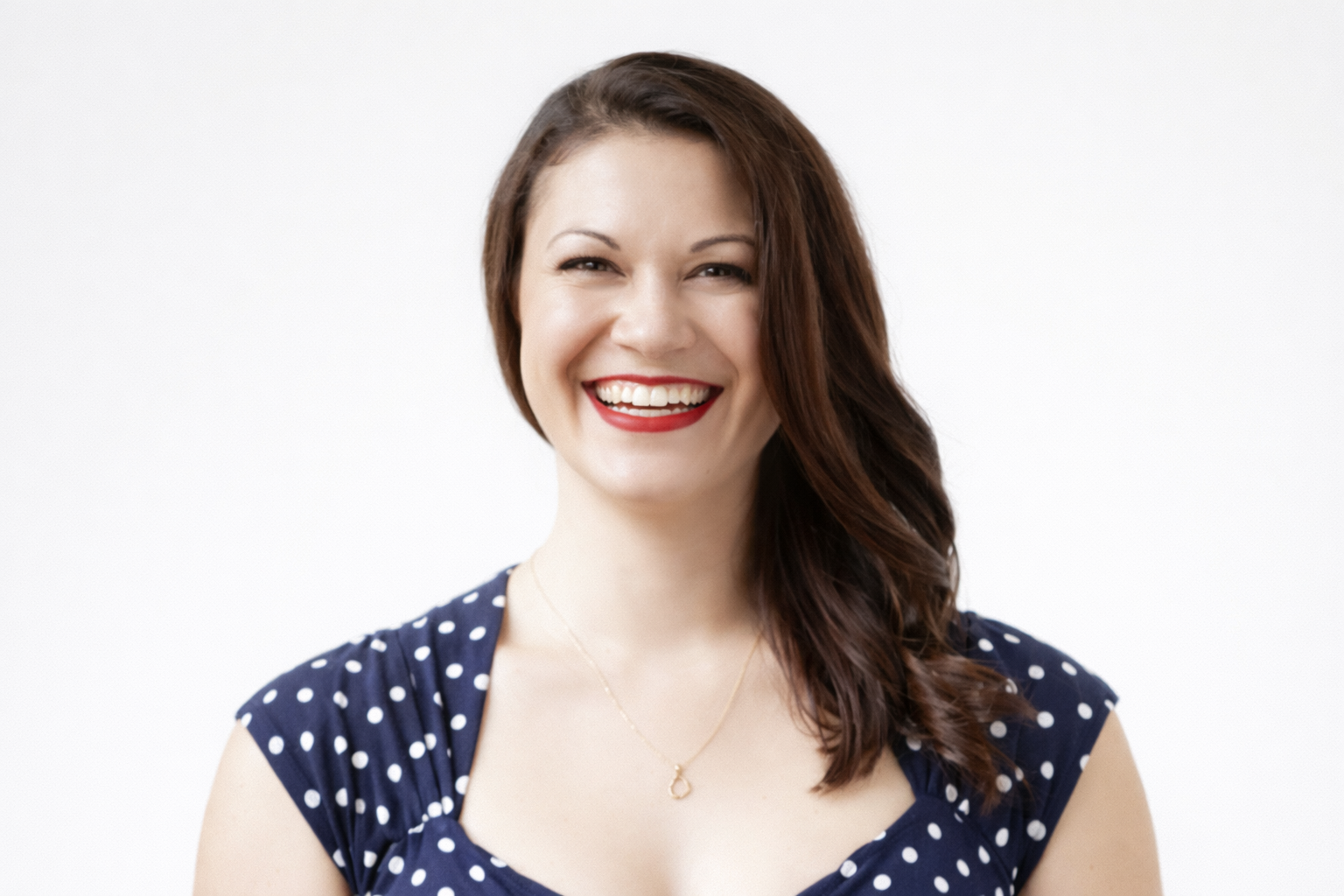
The drinks world is full of brands that look polished on a shelf but do not really change how people make or enjoy cocktails. Cheeky Cocktails feels different because it was built around a problem that April Wachtel knew firsthand.
She did not come into the beverage space as an outsider trying to follow a trend. She had already spent years working in restaurants, behind the bar, in cocktail education, and with major beverage brands. That gave her a close-up view of what people loved about cocktails and what kept getting in their way. Home drinkers wanted better drinks without the stress. Bars wanted quality and consistency without adding more labor. April saw that gap clearly and built Cheeky Cocktails around it.
What makes her story worth paying attention to is not just that she launched a company. It is that she turned industry experience into a practical brand that feels relevant to how people actually drink today.
Who Is April Wachtel
April Wachtel built her career inside hospitality long before she became known as the founder of Cheeky Cocktails. She worked in restaurants for years, spent more than a decade behind the bar, and later moved into education, consulting, and brand work. That background matters because it shaped the way she approached business.
She understood cocktails from every angle. She knew what professionals needed behind a busy bar. She knew what consumers wanted when they tried to recreate a great drink at home. She also knew that the ritual of making a cocktail can feel exciting to some people and intimidating to others.
That mix of hospitality, product insight, and real-world bar experience gave her an advantage. She was not guessing what the market needed. She had already watched the problem play out in front of her.
How the Idea for Cheeky Cocktails Started
The idea behind Cheeky Cocktails started with a simple observation. While teaching cocktail classes, April noticed that people were eager to make better drinks at home, but they did not have easy access to the ingredients that made those drinks taste right.
A solid cocktail often depends on details that are easy to overlook. Fresh citrus juice, balanced syrups, and the right level of sweetness can make the difference between a drink that feels restaurant quality and one that falls flat. Behind the bar, those ingredients are often made from scratch. At home, that same process can feel like too much work for one or two cocktails.
April saw that most people were not looking for more complexity. They wanted something approachable. They wanted the freedom to make drinks that felt elevated without turning their kitchen into a prep station. That insight gave Cheeky Cocktails a strong foundation from the beginning.
What April Wachtel Learned Before Building the Brand
One of the most useful parts of April Wachtel’s story is that Cheeky Cocktails was not built from theory. It grew out of years of experience in hospitality and beverages.
Working in bars teaches you quickly that great taste is only part of the equation. Speed matters. Consistency matters. Labor matters. The guest experience matters. The same goes for retail and consumer products. A product can sound clever in a pitch, but if it does not solve a real problem, people move on.
That is one reason Cheeky feels so focused. April had already seen how much friction existed around cocktail-making. She understood that people were not just buying ingredients. They were buying convenience, confidence, and a better experience.
That kind of perspective tends to shape smarter businesses. Instead of chasing novelty for its own sake, she built around usability.
From Swig and Swallow to Cheeky Cocktails
Before Cheeky Cocktails became the brand people know now, April Wachtel launched an earlier company called Swig + Swallow. That first business gave her something every founder needs but cannot skip past quickly experience.
Swig + Swallow started as a refrigerated mixer brand, but over time April realized the product was not fully matching what customers wanted. People did want easier cocktails at home, but they also wanted flexibility. They wanted to mix to their own taste, adjust sweetness or citrus levels, and still feel like they had some control over the final drink.
That realization changed everything.
Instead of forcing the original model to keep going, she reworked the idea and rebuilt it into something stronger. Cheeky Cocktails became a line of shelf-stable, bar-quality syrups and juices that made cocktail-making easier without making it feel generic.
That shift says a lot about April as a founder. She did not treat the first version of the business like a fixed identity. She treated it like a lesson. That willingness to evolve is one of the clearest reasons Cheeky was able to become a more scalable and more modern brand.
What Made Cheeky Cocktails Feel Different in the Mixer Category
Mixer brands are not new, but many of them have long felt either too basic or too artificial. Cheeky Cocktails entered the category with a different point of view.
The brand focused on bar-quality ingredients and products that felt useful, not gimmicky. Instead of asking customers to choose between convenience and flavor, it tried to bring both together. That matters because modern shoppers are often looking for products that save time without lowering their standards.
Cheeky also fits naturally into more than one setting. A home bartender can use it to make a cleaner, faster drink for friends. A hospitality team can use it to improve consistency and save labor. That dual appeal helped the brand stand out in a crowded beverage space.
It is also part of why the company feels modern. It was not built around one narrow use case. It was built around how people really entertain, host, and drink now.
How April Wachtel Turned Expertise Into Brand Credibility
Plenty of beverage brands talk about quality. Fewer can connect that promise to a founder who has actually spent years working in the industry at multiple levels.
April Wachtel brought built-in credibility to Cheeky Cocktails. Her background as a bartender, cocktail educator, brand ambassador, and consultant made the brand story feel earned. That matters more than ever in a market where shoppers are constantly deciding which brands feel trustworthy and which ones are mostly packaging.
Her experience also gave the company a clear voice. Cheeky did not need to pretend to understand cocktail culture. It came from someone who had lived inside it. That let the brand speak to both casual consumers and serious drinks people without sounding forced.
In many ways, April’s professional history became one of Cheeky’s strongest business assets. It gave the company authority while still keeping the brand approachable.
The Business Decisions That Helped Cheeky Cocktails Grow
Cheeky Cocktails did not gain traction by trying to do everything at once. The brand grew because it stayed close to a few smart ideas.
First, it solved a real and specific problem. That gave the company a reason to exist beyond branding language.
Second, it focused on products that fit modern lifestyles. People want convenience, but they do not want to feel like they are settling. Cheeky’s product line met that tension well.
Third, the brand was positioned for more than one channel. It could work in direct-to-consumer settings, brick-and-mortar retail, gifting, and hospitality. That kind of flexibility helps a beverage brand build momentum without depending too heavily on one audience.
Fourth, April leaned into what the market was already showing her. Rather than forcing customers into a rigid format, she built products that made it easier for them to personalize drinks while still cutting down on prep.
Those choices helped Cheeky grow in a way that feels practical rather than flashy. The business was not trying to win attention for one moment. It was building for repeat use.
How Cheeky Cocktails Became a Modern Mixer Brand
A modern mixer brand has to do more than look current. It has to match how people shop, host, and think about drinks today.
Cheeky Cocktails landed in that space by combining premium positioning with ease of use. It spoke to people who wanted better ingredients, but it also respected the fact that most consumers do not want a long prep process every time they make a drink.
The brand also arrived during a period when at-home cocktail culture had more room to grow. People were experimenting more, entertaining differently, and looking for products that made those moments simpler and more enjoyable.
Cheeky’s packaging, product concept, and broader brand identity all supported that shift. It felt polished, but still usable. It felt elevated, but not intimidating. That balance is a big part of why the brand carved out its own space.
April Wachtel’s Achievements With Cheeky Cocktails
April Wachtel’s success with Cheeky Cocktails is not just about launching a brand with a good idea behind it. It is about building that idea into something with real presence.
Cheeky Cocktails has expanded into dozens of states and reached international markets, which shows that the brand moved well beyond a local or niche audience. It has also found its way into hospitality settings such as hotels, resorts, and stadiums, giving it credibility on both the consumer side and the professional side.
The company’s media recognition has added another layer to that momentum. When a brand is featured by widely recognized outlets, it signals that the business is standing out in a category that already has plenty of competition.
What stands out most is that these achievements tie back to a clear founder vision. April did not build Cheeky around trend-chasing. She built it around a real need, adjusted when the first model was not quite right, and kept refining the brand until it matched the market more closely.
That is often what lasting growth looks like. It is less about one big lucky break and more about making good decisions, learning quickly, and staying close to what people actually want.
What Entrepreneurs Can Learn From April Wachtel and Cheeky Cocktails
There is a lot to learn from the way April Wachtel built Cheeky Cocktails.
One lesson is that experience matters when it is paired with observation. April’s background did not help simply because it looked impressive on paper. It helped because she used it to notice a problem other people were overlooking.
Another lesson is that early versions do not have to be perfect. Swig + Swallow was not the final answer, but it gave her the information she needed to build a stronger business. A smart pivot can be more valuable than stubborn consistency.
There is also a lesson in restraint. Cheeky did not try to become every kind of beverage company overnight. It built credibility through a focused product line and a clear use case. That clarity made it easier for customers to understand why the brand mattered.
And finally, April’s story shows that founder credibility can become a real advantage when it is backed by substance. People trust brands more when they feel rooted in lived expertise rather than marketing talk.
For anyone building in food, beverage, hospitality, or consumer products, that may be the biggest takeaway of all. The strongest brands usually begin with a problem worth solving and a founder who understands that problem better than most.