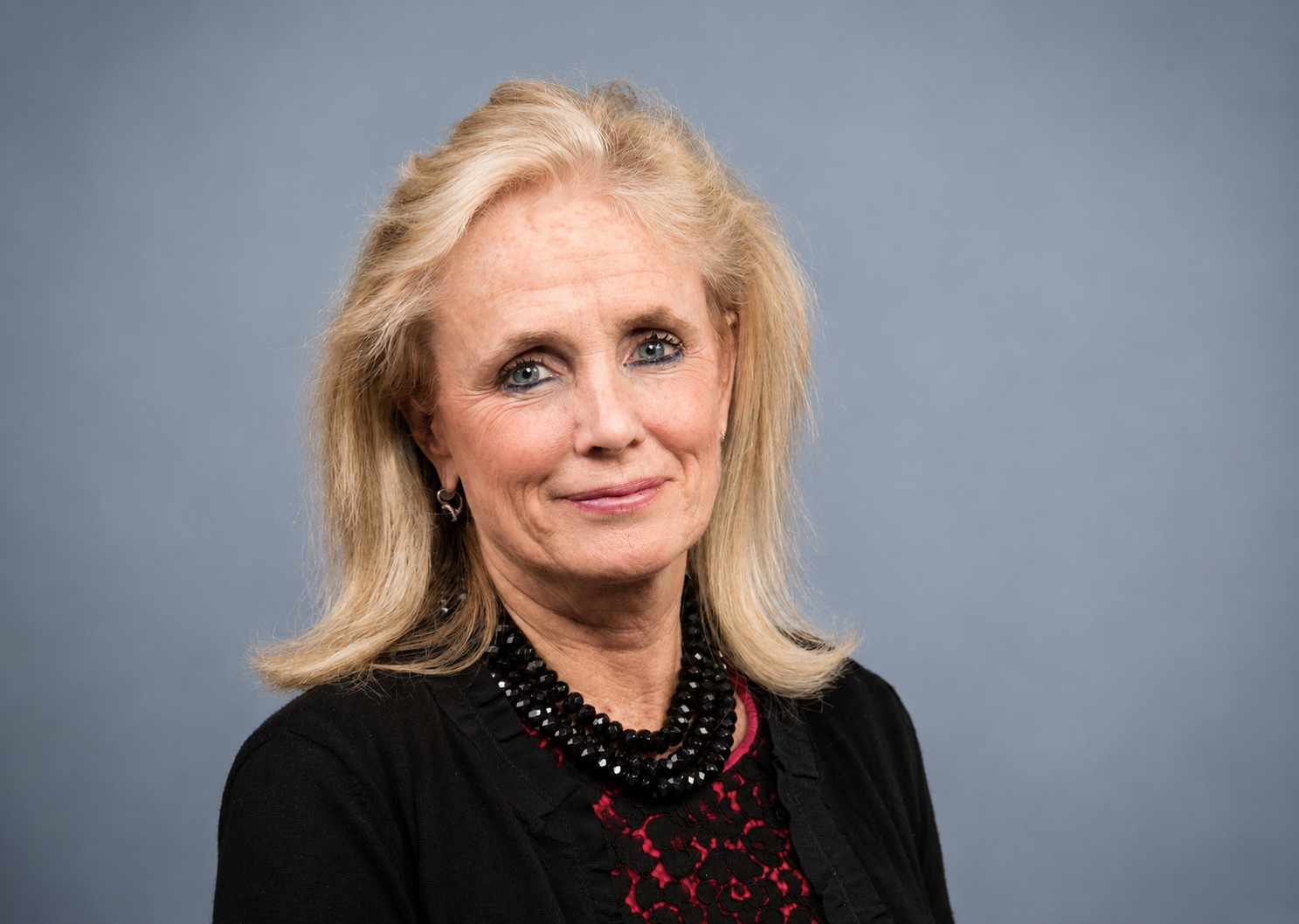
Nancy Twine did not take the usual path into beauty.
Before she became known for Briogeo, clean haircare, and one of the most talked-about founder stories in the beauty industry, she was building a career in finance at Goldman Sachs. On paper, that path looked safe, impressive, and hard to walk away from. But the idea that eventually became Briogeo kept pulling at her because it came from something personal, not just professional.
Twine saw a gap in the market. She believed there was room for a high-performance haircare brand built around naturally derived ingredients, better ingredient transparency, and a more modern view of what healthy hair really means. At a time when many products still forced shoppers to choose between performance and cleaner formulas, Briogeo offered a different answer.
That answer turned into one of the standout independent beauty brand success stories of the last decade. Briogeo grew from a startup with a clear point of view into a widely recognized name in prestige haircare, landed major retail partnerships with Sephora and Ulta Beauty, attracted outside investment, and eventually became part of Wella Company in a major acquisition.
Nancy Twine’s story is not just about launching a beauty brand. It is about spotting a market shift early, building strong brand positioning, staying disciplined through growth, and creating the kind of company that larger players want to buy.
Nancy Twine’s Career Before Briogeo
One reason Nancy Twine’s founder story stands out is that she did not start in beauty labs, salon back rooms, or traditional cosmetics marketing. She came from a very different world.
Before Briogeo, she worked at Goldman Sachs in New York. That experience gave her exposure to business strategy, structure, and the kind of analytical thinking that later helped her make smart decisions as a female founder and beauty entrepreneur. Still, a strong corporate background alone does not explain Briogeo’s success.
What made Twine different was her willingness to leave a stable career and build something from scratch in an industry where she did not have the typical resume investors or insiders expected. That move took conviction. It also forced her to learn fast.
She had to understand product innovation, formulation, packaging, retail expectations, consumer behavior, and the realities of building trust in a crowded haircare market. In many ways, that outsider perspective became an advantage. She was not trying to copy old beauty playbooks. She was trying to solve a problem consumers actually felt.
The Personal Inspiration Behind Briogeo
Briogeo was not created because Nancy Twine wanted to chase a trend. The brand came from a more personal place.
She has often spoken about the influence of family and early experiences around homemade haircare and natural ingredients. That background shaped the way she thought about hair health long before Briogeo existed. It also helped her see something the broader market had not fully addressed yet.
Consumers wanted products that felt cleaner, smarter, and more thoughtful. They wanted formulas that supported hair wellness, hair repair, hydration, and scalp care without relying so heavily on harsh additives. They also wanted products that could work across all hair types and all hair textures.
That became part of Briogeo’s foundation. The brand was not built around a tiny niche. It was built around the idea that healthy hair is relevant to everyone, whether they were focused on curls, damage recovery, moisture, frizz, scalp revival, or overall hair strength.
That broad but clear mission gave Briogeo room to grow.
Why Briogeo Entered the Market at the Right Time
Timing matters in every category, and Nancy Twine entered haircare at a moment when clean beauty was gaining real momentum.
Shoppers were asking tougher questions about what was inside their products. They were reading labels more closely. They were looking for clean science, natural ingredients, and brands that felt more transparent and modern. Skin care was already moving in that direction, but haircare still had space for a brand that could bring those expectations into the category in a serious way.
That is where Briogeo stood out.
The brand built its identity around 6-free formulas and a commitment to products that were largely naturally derived. Just as important, Briogeo did not position itself as a compromise. Nancy Twine understood that customers would not stay loyal to a product just because it sounded clean. It still had to work.
That balance between ingredient-conscious formulation and real performance gave Briogeo stronger brand equity than many trend-driven beauty startups. It was not just selling a label. It was offering a better experience.
How Briogeo Built a Distinct Brand Identity
A lot of beauty brands launch with broad promises, but the brands that scale usually make their value easy to understand. Briogeo did that well.
From early on, the company had a clear voice around healthy hair, inclusive beauty, and formulas made for multiple hair needs. The brand’s product story was not vague. It connected directly to concerns people already had, from dryness and damage to scalp issues and texture-specific care.
That is a big reason Briogeo earned attention in premium haircare.
The company built around categories people could easily connect with, including hydration, repair, curl care, texture-focused haircare, and scalp health. Over time, Briogeo became associated with product lines that felt both approachable and elevated. Its use of terms like NOVA Complex, scalp revival, and healthy hair journey helped frame the brand as modern, science-aware, and consumer-friendly without becoming cold or overly clinical.
Nancy Twine also built Briogeo in a way that felt accessible across a wide customer base. That mattered. A brand that speaks to more people has a better chance of building repeat purchase behavior, stronger loyalty, and long-term consumer trust.
The Sephora Breakthrough That Changed Everything
For many beauty founders, there is one moment when the market starts taking them seriously. For Nancy Twine and Briogeo, Sephora was that moment.
Landing in Sephora gave Briogeo far more than shelf space. It gave the brand validation.
Sephora is one of the most important names in prestige retail, and being stocked there sent a message that Briogeo was not just a small indie idea. It was a brand capable of competing in a premium environment where performance, packaging, identity, and customer appeal all matter.
This milestone also became part of Nancy Twine’s wider story as an entrepreneur. She became known as the youngest Black woman to launch a product line at Sephora at the time, which added both visibility and significance to Briogeo’s rise.
But what matters most about the Sephora win is not just the headline. It is what happened after.
A lot of brands get early attention and then fade. Briogeo used that credibility to keep building. The Sephora relationship helped strengthen customer awareness, sharpen the brand’s authority, and create momentum for future distribution growth.
Scaling Beyond One Big Retail Win
A single strong retailer can put a brand on the map. It does not automatically make the business durable.
Nancy Twine seemed to understand that Briogeo needed more than a great origin story and one major launch partner. It needed a wider retail footprint, better operational discipline, and a business model that could support long-term expansion.
That next phase included broader distribution, including Ulta Beauty, which gave Briogeo access to another important segment of beauty shoppers. Expanding beyond one major retailer helped move Briogeo from an exciting founder-led brand into a more established growth company.
This is where many independent brands struggle. Rapid growth can blur identity. Distribution can outpace operations. Brand storytelling can become diluted.
Briogeo managed that phase more effectively than many peers because its core message stayed consistent. Whether consumers first found the brand through Sephora, Ulta, social media, word of mouth, or direct online discovery, the promise remained recognizable. Briogeo stood for clean haircare, thoughtful formulas, strong performance, and products designed for different textures and needs.
That kind of consistency matters when a company is trying to scale without losing itself.
The Business Decisions Behind Briogeo’s Growth
Behind every successful acquisition story, there are practical business choices that made the company stronger long before any deal happened.
For Briogeo, one of those decisions was staying focused on a category where repeat purchases matter. Haircare can create strong retention when products become part of someone’s routine. A customer who sees visible improvement in moisture, repair, curl definition, or scalp comfort is much more likely to come back.
That made Briogeo more than a brand with good branding. It became a business with real commercial potential.
Another important factor was strategic backing. Briogeo received minority investment from VMG Partners, a move that gave the company more support as it scaled. Capital alone never guarantees success, but the right investment can help a company strengthen inventory planning, expand distribution, build leadership, and invest more confidently in innovation.
Nancy Twine also seemed careful about protecting what made the brand special. That balance is not always easy. Companies often lose clarity when they grow quickly. Briogeo kept leaning into sustainable beauty, eco-ethical beauty, and inclusive product development while still positioning itself as a high-quality, results-driven brand.
That helped preserve the brand’s differentiation.
Why Briogeo Became an Attractive Acquisition Target
By the time larger industry players looked closely at Briogeo, the company had already done a lot of the hard work.
It had a compelling founder story. It had a recognizable place in the beauty industry. It had meaningful retail partnerships, a strong clean positioning, and broad relevance across hair concerns. It also had the kind of customer trust and category strength that makes a brand appealing in a strategic M&A conversation.
This matters because large beauty companies do not just buy products. They buy momentum, loyalty, positioning, and future upside.
Briogeo offered several things at once. It gave access to the growing clean beauty and clean haircare space. It brought credibility with consumers who cared about ingredients and performance. It added a more modern and inclusive voice to haircare. And it already had proof that it could win in premium retail.
In other words, Briogeo was not attractive because it was merely fashionable. It was attractive because it had become strategically valuable.
The Wella Acquisition and What It Signaled
When Wella Company acquired Briogeo in 2022, the deal marked a major milestone not only for Nancy Twine, but also for the wider conversation around Black-owned beauty brands, independent founders, and what successful scaling can look like.
The acquisition showed that Briogeo had crossed an important line. It was no longer just an admired independent brand. It was a business substantial enough to become part of a major global beauty portfolio.
That kind of move usually reflects more than strong sales. It reflects confidence in global expansion, product pipeline potential, long-term positioning, and the belief that a brand can keep growing with larger support behind it.
For Wella, Briogeo strengthened its portfolio in haircare and added a brand already known for cleaner formulation standards, diversity across hair needs, and a modern relationship with consumers. For Nancy Twine, it represented the kind of outcome many founders chase but few achieve: building from scratch, scaling intelligently, and reaching a major acquisition without losing the original heart of the brand.
That is why her story continues to resonate. It is not just a startup win. It is an example of what can happen when product-market fit, timing, founder conviction, and disciplined execution all come together.
What Entrepreneurs Can Learn From Nancy Twine and Briogeo
There are several lessons in Nancy Twine’s journey, and they apply far beyond beauty.
First, real growth often begins with a real gap. Briogeo worked because it addressed a need consumers could already feel. It did not rely on hype alone.
Second, brand positioning matters more than noise. Briogeo made it easy to understand what it stood for. That clarity helped the brand build trust.
Third, scale usually comes from consistent execution, not one lucky break. Sephora helped, but Briogeo kept growing because the company built on that momentum with strong products, broader retail expansion, and operational maturity.
Fourth, the best acquisition stories are usually built long before the deal happens. By the time Wella acquired Briogeo, the company already had the ingredients of a strong target: loyal customers, clear identity, retail traction, and a relevant place in a changing market.
Nancy Twine did not just create a beauty brand people noticed. She built one the market could not ignore.