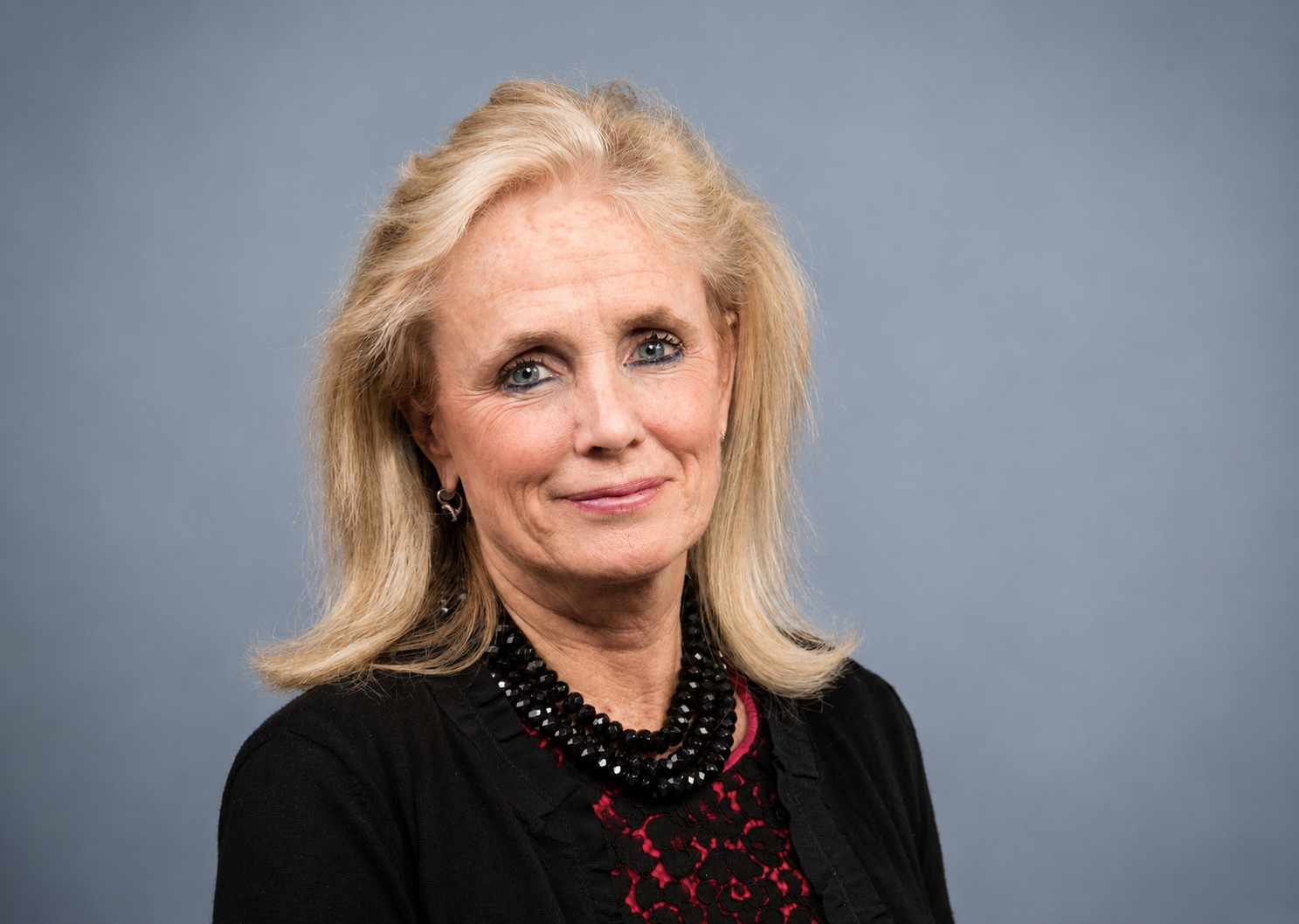
When Ariane Goldman was pregnant, she ran into a problem plenty of women knew well but few brands had really solved. The maternity options on the market felt flat, overly temporary, and disconnected from the way modern women actually dressed. There were basics everywhere, but not much that felt polished, thoughtful, or worth wearing beyond a narrow window of time.
That gap became the opening for HATCH.
What made the brand stand out was never just the clothes themselves. HATCH arrived with a different point of view. Instead of treating pregnancy style like a side category built around compromise, Ariane Goldman built a brand that treated motherhood as part of a woman’s identity, not a break from it. The result was a maternity label that felt relevant, stylish, and emotionally in tune with the customer it was serving.
Over time, that idea turned into something much bigger than a niche fashion business. HATCH grew into a recognizable motherhood brand with apparel, beauty, community, retail partnerships, funding support, and a broader role in shaping how maternity products were marketed.
Who Is Ariane Goldman
Ariane Goldman is the founder of HATCH and an entrepreneur who had already built experience in fashion before entering the maternity space. That matters because HATCH did not come from a purely theoretical business idea. It came from someone who understood product, branding, and how women wanted to feel in what they wore.
Her move into maternity was personal. During pregnancy, she saw how uninspired the category felt. The clothing available often leaned too hard on function while ignoring style, confidence, and individuality. For many women, that created a strange disconnect. Pregnancy was a major life shift, but the clothing options on the market made it feel like personal style had to be put on hold.
Ariane Goldman saw that as a design problem, a brand problem, and a market opportunity all at once.
The Problem With Traditional Maternity Fashion
Before HATCH became a known name, maternity fashion often carried a certain reputation. It was practical, yes, but it could also feel overly generic. Many pieces looked disposable, heavily trendless, or so specific to pregnancy that they lost their value the moment that chapter ended.
That approach no longer matched the expectations of a growing group of customers. Women were used to shopping with more intention. They cared about silhouette, fabric, versatility, and how clothes fit into the rest of their wardrobe. They did not suddenly stop caring about those things just because they were expecting.
That was the opening Ariane Goldman recognized. She understood that women did not simply want maternity clothes. They wanted pieces that still felt like them.
This is one of the biggest reasons HATCH connected so strongly. The brand stepped into a category that had long been treated as functional first and emotional second. Ariane Goldman flipped that balance. She made fashion, confidence, and long-term wearability part of the conversation.
Why Ariane Goldman Started HATCH
The core idea behind HATCH was simple, but powerful. Instead of making clothes women would wear only during pregnancy, Ariane Goldman built pieces they could wear before, during, and after.
That idea did a lot of heavy lifting for the brand.
First, it made the product feel smarter. Customers were not buying into a temporary solution. They were investing in versatile pieces that worked across different moments of life.
Second, it helped position HATCH as more elevated than the average maternity label. The brand was not just selling necessity. It was selling taste, longevity, and a more modern way to think about dressing through change.
Third, it created emotional trust. Women did not feel like they were being pushed into a separate fashion category they never wanted to enter. Instead, HATCH offered a bridge between their existing style and a new stage of life.
That founder insight became the backbone of the company’s success.
How HATCH Made Maternity Clothing Feel Modern
A big part of HATCH’s appeal came down to design choices. The brand leaned into timeless silhouettes, easy layering, quality fabrics, and pieces that felt refined rather than overly “maternity coded.” That sounds small on paper, but it changed how the customer experienced the category.
A dress did not have to scream pregnancy to work during pregnancy. A button-down did not have to feel overly engineered to be functional. Denim, loungewear, knitwear, and occasion pieces could still look like part of a real wardrobe.
That is what made HATCH feel modern. It understood that style and comfort were not opposites. It also understood that women wanted flexibility. They wanted clothing that could move with their bodies without making them feel boxed into a separate identity.
This is where Ariane Goldman’s vision became especially strong. She was not only solving a fit issue. She was solving a self-image issue. She built a brand around the idea that pregnancy should not force women to abandon personal style.
Ariane Goldman Built More Than a Clothing Brand
One of the reasons HATCH gained more traction than many niche fashion labels is that it did not stay narrowly defined for long. The company expanded beyond apparel and began building a broader motherhood ecosystem.
That included beauty and self-care products designed for pregnancy and postpartum, along with community-driven touches that made the brand feel more connected to real life. This kind of expansion made strategic sense. If the original promise was to support women through a major life transition, clothing alone was only part of the story.
By extending the brand into beauty and motherhood essentials, HATCH deepened its relationship with customers. It became more than a place to buy dresses or basics. It became part of a larger lifestyle conversation around pregnancy, recovery, confidence, and everyday care.
That brand expansion also helped HATCH stand apart in a crowded consumer landscape. Many labels can sell products. Fewer can build a world that customers want to return to.
The Role of Brand Positioning in HATCH’s Growth
A lot of brands have decent products. Far fewer know how to position them in a way that reshapes a category.
HATCH did exactly that.
From the beginning, the brand felt more premium, more editorial, and more emotionally aware than typical maternity retailers. It spoke to women who still wanted beauty, simplicity, and personal taste in a moment when the market often offered them none of that.
That kind of positioning matters because it changes what the customer believes she is buying. She is not only buying maternity clothing. She is buying ease, self-expression, and reassurance that her sense of style still belongs in this phase of life.
This was one of Ariane Goldman’s biggest strengths as a founder. She understood that success in a niche category does not only come from filling a product gap. It comes from redefining how that category is perceived.
In HATCH’s case, maternity wear started to feel less like a compromise and more like a curated extension of a woman’s wardrobe.
Big Growth Milestones That Helped HATCH Stand Out
As the brand gained traction, HATCH moved from a strong founder-led concept into a more visible business story.
A major milestone came when the company secured outside funding, including a Series A round led by Silas Capital. That kind of support signaled that the market saw real long-term value in the brand’s approach. It also gave HATCH more fuel to scale its operations, product offering, and reach.
Another notable step was expanding accessibility through retail collaboration. The launch of The Nines by HATCH for Target helped introduce the brand’s design philosophy to a much broader audience. That move mattered because it showed that Ariane Goldman’s vision could stretch beyond a premium direct-to-consumer lane without losing its core identity.
Then came an even bigger development in the company’s evolution. In 2023, Marquee Brands partnered with HATCH in a deal that led to the creation of HATCH Collective, which took on operational responsibility in North America for Motherhood Maternity, A Pea in the Pod, and Destination Maternity alongside HATCH. That was not just another funding headline. It showed that Ariane Goldman and her company had grown influential enough to help shape the direction of a larger maternity retail landscape.
That kind of shift says a lot about the brand’s credibility. HATCH was no longer just the stylish alternative on the edge of the category. It had become part of the category’s broader future.
How Ariane Goldman Expanded HATCH Beyond a Single Customer Need
Many brands begin by solving one sharp problem. The smarter ones know how to widen the relationship without losing focus.
That is something Ariane Goldman handled well with HATCH.
The original need was clear: better maternity fashion. But the long-term opportunity was much broader. Women did not just need clothes for pregnancy. They needed products, language, and brand experiences that respected the full arc of motherhood, from anticipation to postpartum adjustment and beyond.
By staying close to that larger emotional reality, HATCH became more resilient as a business. It was not trapped in a one-note product story. It could grow into beauty, community, essentials, and partnerships while still feeling coherent.
This is part of what makes the brand a useful case study in consumer growth. The company did not expand randomly. It expanded in ways that felt native to the life stage it already served.
What Made HATCH Different From Other Maternity Brands
Several things separated HATCH from legacy maternity players and lower-cost alternatives.
The first was design language. HATCH understood clean lines, understated polish, and the appeal of a wardrobe that could carry emotional and practical value at the same time.
The second was brand tone. Instead of talking down to customers or treating pregnancy wear as purely utilitarian, HATCH treated women as style-aware adults who still cared deeply about how they presented themselves.
The third was versatility. The before-during-after philosophy gave the brand a real edge because it respected how people think about value.
The fourth was emotional relevance. HATCH did not just sell clothes for a body change. It sold confidence during a personal transition.
Put together, those choices made the brand feel more thoughtful than traditional maternity retail. Ariane Goldman built a business that understood both function and identity, and that combination is hard to copy.
Business Lessons From Ariane Goldman and HATCH
There are a few reasons the story of Ariane Goldman and HATCH resonates beyond fashion.
One lesson is that strong businesses often begin with lived frustration. Ariane Goldman did not invent a need out of thin air. She experienced a broken category and built from that firsthand insight.
Another is that niche markets can be more powerful than they look when the branding is sharp enough. Maternity fashion may seem narrow from the outside, but HATCH proved that a focused audience with clear emotional and practical needs can support a brand with real scale.
There is also a lesson in product framing. By building around clothing women could wear before, during, and after pregnancy, HATCH made its offer feel both smarter and more premium.
And finally, there is the lesson of brand expansion. The company did not win by chasing every possible category. It grew by deepening its relevance within motherhood and surrounding customer needs.
That is what made HATCH successful. Ariane Goldman did not just create maternity clothing. She helped modernize an overlooked category and turned that vision into a brand women genuinely wanted to buy from.