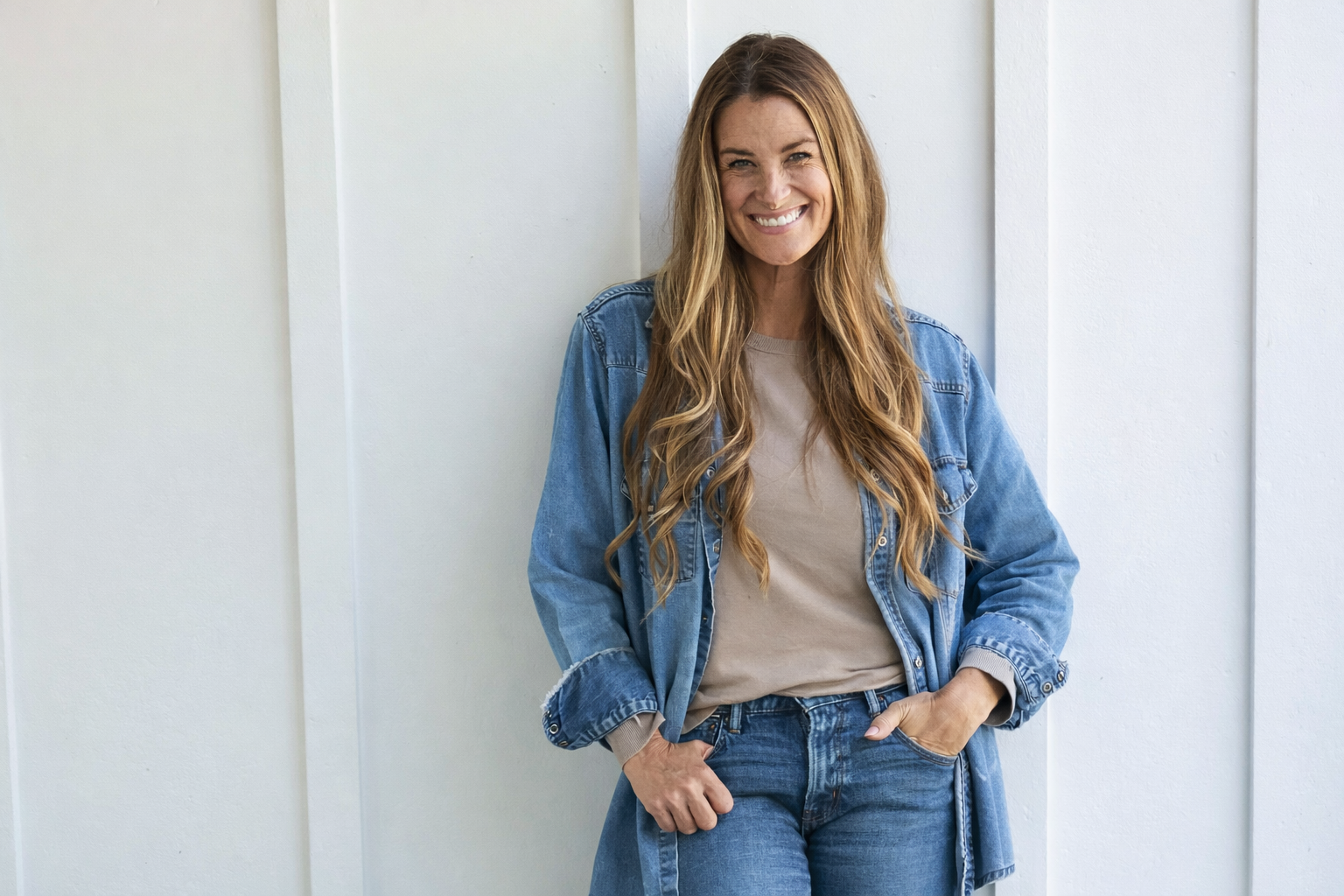
Christina Stembel did not build Farmgirl Flowers the way a lot of startup stories get told. There was no big funding announcement, no flashy investor backing, and no easy runway that gave her years to figure things out. What she had instead was a clear view of a broken market, a strong instinct for branding, and the nerve to put her own savings on the line.
That decision became the foundation of one of the most interesting bootstrapped stories in modern e-commerce. In 2010, Stembel launched Farmgirl Flowers from her tiny San Francisco apartment with $49,000 of her own money. From there, she built a flower delivery brand that stood out for its simple product strategy, recognizable look, and refusal to follow the old rules of the floral business.
Her story matters because it pushes back on a popular idea in entrepreneurship that outside money is the main thing that makes growth possible. With Farmgirl Flowers, Christina Stembel proved that a founder can build a national brand through discipline, positioning, and operational focus, even in a category as messy and margin-sensitive as flower delivery.
Christina Stembel’s Unlikely Path Into the Flower Business
Christina Stembel grew up on a farm in Indiana, which helps explain some of the grounded, practical thinking that later shaped her business. But her path into flowers was not a traditional florist story. She was not handed a family flower shop, and she did not come up through the floral industry in the usual way.
What she did have was an entrepreneurial streak and a strong desire to build something of her own. After moving to the Bay Area, she spent years thinking about business ideas and trying to find one that felt worth betting on. That search eventually led her to a surprisingly overlooked category.
Flowers were a huge market, but the buying experience often felt disappointing. Arrangements looked generic, ordering online was uninspiring, and customers were paying premium prices without getting a product that felt fresh, personal, or memorable. Christina Stembel saw a gap between what people were spending and what they were actually receiving.
That gap became the opportunity behind Farmgirl Flowers.
The Problem Christina Stembel Saw in the Traditional Floral Industry
A lot of founders talk about solving pain points, but Stembel’s insight was simple and easy to understand. The traditional floral industry was full of friction.
Customers had too many mediocre options. The product often looked better online than it did in real life. The supply chain involved multiple handoffs, which increased costs and reduced freshness. And the overall experience felt outdated in a world where shoppers were getting used to cleaner, more direct, more design-conscious digital brands.
On top of that, flowers are a hard business operationally. They are perishable, seasonal, and vulnerable to waste. That means bad inventory decisions can eat into margins fast. A florist can offer endless variety, but that variety comes with spoilage, complexity, and a lot of dead product that never gets sold.
Stembel understood that the flower business did not just need prettier arrangements. It needed a smarter business model.
Why Christina Stembel Started Farmgirl Flowers
When Christina Stembel started Farmgirl Flowers, she was not trying to build just another online flower company. She wanted to create something that felt more modern, more thoughtful, and more aligned with what customers actually wanted to send and receive.
That meant focusing on a few things from the beginning.
First, she wanted the arrangements to feel design-forward rather than overly traditional. Second, she wanted the brand to feel distinct, not interchangeable. Third, she wanted a model that reduced waste instead of building the business around excess choice.
This is where her instincts were especially sharp. Instead of chasing the common idea that more options automatically create more sales, she went the other way. She built Farmgirl Flowers around a tighter offer. That made the brand easier to understand, easier to operate, and easier to remember.
It also gave the company a real point of view.
How Christina Stembel Launched Farmgirl Flowers With Her Own Savings
The part of Christina Stembel’s story that gets remembered most often is the fact that she launched Farmgirl Flowers with $49,000 of her own savings and no venture capital.
That detail matters because it shaped every decision that followed.
When a company starts with investor money, there is often more room for experimentation, overbuilding, and delayed discipline. A bootstrapped founder does not usually get that luxury. Every hire matters. Every product choice matters. Every wasted dollar matters.
Stembel launched from her small apartment in San Francisco, which says a lot about how lean the business was at the start. She was not building from a polished office or a heavily staffed operation. She was building from whatever space and resources she had available.
That kind of beginning forces clarity. You cannot hide weak assumptions inside a large budget. You have to find out quickly what customers respond to, what operations can support, and what parts of the model are actually sustainable.
That pressure was not glamorous, but it was valuable. It trained Farmgirl Flowers to operate with more intention than a lot of heavily funded companies ever do.
The Smart Business Model That Helped Farmgirl Flowers Grow
One of the smartest things Christina Stembel did was build the company around fewer, better offerings.
That approach became one of the clearest differences between Farmgirl Flowers and more traditional florists. Rather than presenting customers with endless choices, she focused on a limited assortment built around strong design and seasonal availability. In the early days, the company became known for offering one arrangement a day.
That was not just a branding move. It was an operational one.
A curated model helps with inventory management, waste reduction, and operational efficiency. It allows a company to buy more intentionally, design more consistently, and reduce the kind of product complexity that hurts margins in a perishable business.
It also improves the customer experience in a subtle but powerful way. Too much choice often creates hesitation. A focused offer can make the buying process feel easier and more confident.
For Farmgirl Flowers, simplicity was not a shortcut. It was part of the strategy.
How Branding Helped Christina Stembel Stand Out Early
Plenty of businesses have decent products and still disappear into the background. Christina Stembel understood early that product alone was not enough. Brand identity mattered.
That is where the now-famous burlap-wrapped bouquet became so important.
The signature look gave Farmgirl Flowers immediate recognition. It felt different from the glossy, generic arrangements that defined much of the market. It felt earthy, memorable, and human. It also supported the company’s message around reusing materials and cutting back on unnecessary waste.
For a bootstrapped company, that kind of visual distinction is incredibly valuable. When marketing budgets are limited, the product needs to market itself. Packaging, photography, and design language have to do more work.
Stembel created a brand people could recognize quickly, talk about easily, and associate with a particular kind of taste. That helped Farmgirl Flowers punch above its weight.
What Farmgirl Flowers Did Differently From Venture Backed Competitors
In a startup-heavy environment like San Francisco, Christina Stembel’s path stood out even more because she was building in a culture that often glorified fundraising.
Many consumer startups are taught to grow fast first and clean up the business later. But Farmgirl Flowers had to think differently. Without outside investment, the company could not afford to chase growth at any cost.
That created a different set of habits.
The business had to stay close to customer demand. It had to pay attention to profit margins. It had to be selective about where money went. And it had to build a model that could survive without assuming a future round of funding would fix current problems.
This did not make the road easier. In many ways, it made it much harder. But it also created a sharper business. Being bootstrapped forced Stembel to make decisions that were tied to reality, not to a slide deck.
That is one reason her story continues to resonate with founders who care less about hype and more about building something durable.
How Christina Stembel Turned Constraints Into a Competitive Advantage
One of the best parts of the Farmgirl Flowers story is that the company’s limits often became strengths.
Not having venture capital meant Stembel had to think carefully about the economics of every move. That pressure shaped the product mix, the packaging, the operations, and the way the brand communicated value.
Instead of treating constraints like proof the company was disadvantaged, she used them as creative direction. Simplicity became part of the appeal. Operational discipline became part of the culture. A tighter offer became part of the customer promise.
This is where a lot of founders get Christina Stembel’s story wrong. It is not just a story about surviving without investors. It is a story about using that reality to build a more focused company.
The business did not grow by pretending constraints did not exist. It grew by designing around them.
The Hard Parts of Scaling Farmgirl Flowers Without Venture Capital
Of course, bootstrapping does not solve everything. It can also create real strain, especially in a product business built around fresh flowers, shipping, labor, and timing.
As Farmgirl Flowers expanded, the company faced the same hard questions that challenge almost every scaling brand. How do you keep quality high while growing volume? How do you manage a complicated supply chain without letting costs get away from you? How do you build infrastructure without overspending for a future version of the company that does not exist yet?
Those questions became even more serious as the business got bigger. Revenue growth is exciting, but revenue alone does not guarantee strength. In fact, one of the most honest parts of Christina Stembel’s story is that scaling taught her the difference between a company that looks impressive from the outside and one that is truly healthy underneath.
That lesson made her story more interesting, not less.
How Christina Stembel Navigated Setbacks While Keeping Control
Like many founders, Christina Stembel eventually had to deal with the downside of rapid growth. Farmgirl Flowers built strong brand recognition and significant sales, but at certain points the business also faced the kind of operational and financial pressure that can break a founder.
What stands out is not that the company hit difficult moments. Most real businesses do. What stands out is that Stembel kept adapting.
Over time, she reworked the business model, made harder calls about structure, and became more vocal about the importance of profitability, not just growth. That shift gave the story a different kind of credibility. It showed that independence is not only about owning a company on paper. It is also about being willing to rethink it when the numbers demand it.
Because she had built Farmgirl Flowers without venture capital, she still had room to reshape the business around what made sense for its long-term future. That level of control is easy to overlook when people talk about funding. But for many founders, it is one of the biggest advantages of staying independent.
What Christina Stembel’s Story Says About Modern Entrepreneurship
There is a reason Christina Stembel’s journey keeps getting attention. It challenges a startup narrative that still dominates a lot of business media.
The usual version of success is simple. Raise money, grow quickly, make noise, and aim for a huge exit. But Farmgirl Flowers tells a different story. It shows that a founder can build a meaningful brand by understanding the market deeply, making smart operational choices, and staying close to what customers actually value.
It also reminds people that bootstrapped growth is not a lesser version of entrepreneurship. In some cases, it produces better habits, better judgment, and a better business.
Stembel did not win by copying venture-backed competitors. She won by building a company that had a clear identity, a focused offer, and a founder who understood that discipline can be a growth strategy too.
Lessons Founders Can Take From Christina Stembel and Farmgirl Flowers
There are several practical lessons inside the Christina Stembel and Farmgirl Flowers story.
Start with a real problem. Stembel was not inventing demand. She was responding to a broken customer experience inside an established market.
Keep the offer clear. The fewer, better model helped the company stand out and helped operations stay tighter.
Build a brand people remember. The burlap wrap was not just packaging. It was a positioning asset.
Respect margins early. A business can grow fast and still be fragile. Learning that difference early matters.
Use constraints wisely. Limited resources can sharpen decision-making when a founder is willing to build around reality instead of fighting it.
Stay open to reinvention. Independence works best when it comes with honesty. Stembel’s willingness to rethink parts of the company is part of what kept the story going.
For founders trying to build in crowded markets, that may be the biggest takeaway of all. Farmgirl Flowers did not become memorable because it had more money than everyone else. It became memorable because Christina Stembel saw the category clearly, made bold but focused choices, and built a company that felt distinct from day one.