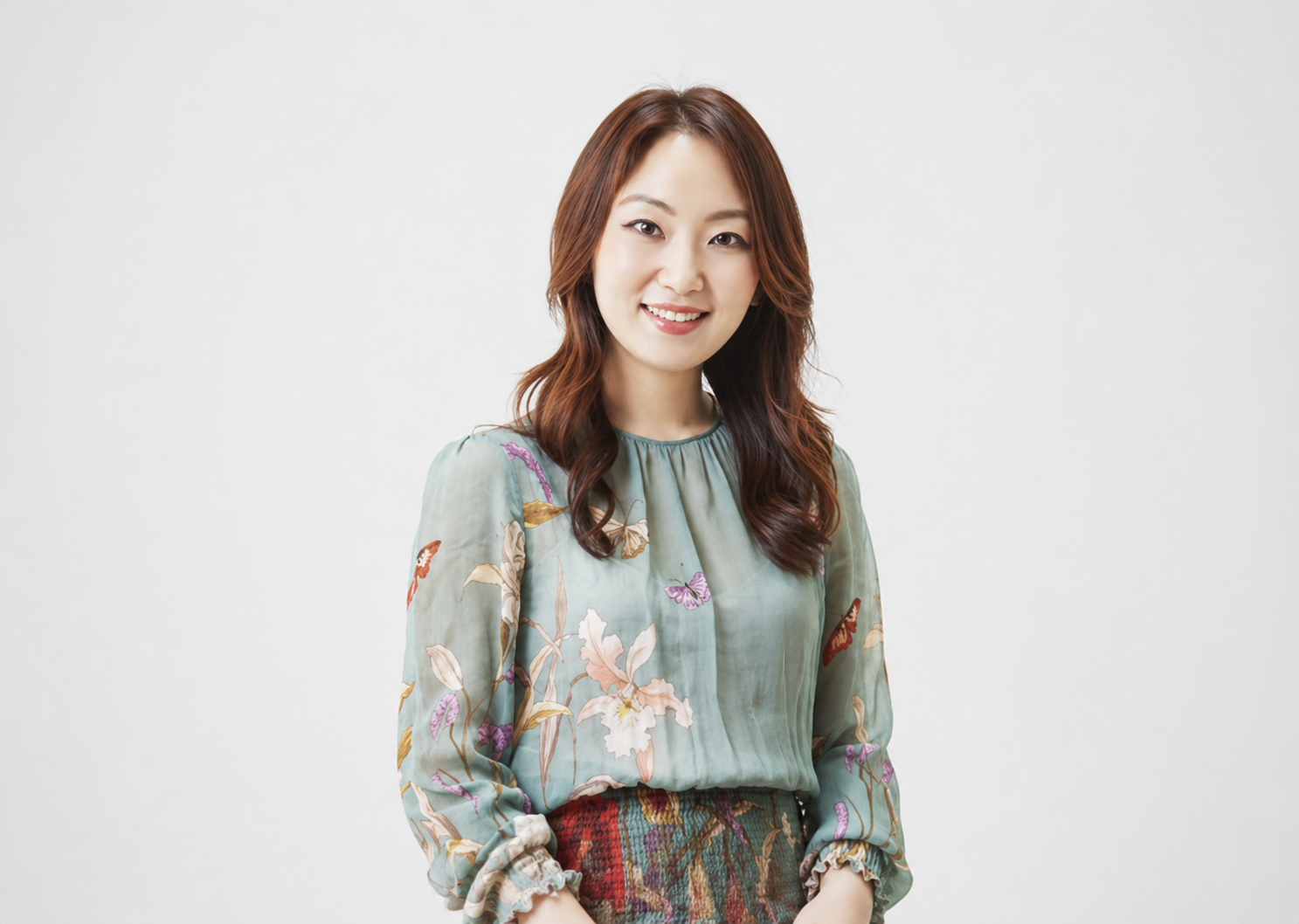
When people talk about brands that changed the conversation around period care, Rael deserves a place in that discussion. What makes the company stand out is not just the products on the shelf, but the bigger idea behind them. Under Yanghee Paik’s leadership, Rael was built around a simple but powerful belief: cycle care should not begin and end with a few days of bleeding each month. It should be treated as part of everyday wellness.
That shift in thinking helped Rael grow from a period care brand into a broader personal care company with products tied to skin, intimate comfort, supplements, and hormonal-cycle support. It also helped Yanghee Paik carve out a distinct place in a category that had long felt stale, clinical, and slow to change. Her success with Rael came from seeing what was missing, trusting that consumers wanted something better, and building a brand that felt more in tune with real life.
Who Is Yanghee Paik
Yanghee Paik did not come from the traditional path people usually associate with personal care founders. Before co-founding Rael, she worked at The Walt Disney Studios and brought with her a background shaped by media, storytelling, and brand-building. That matters because one of Rael’s biggest strengths has always been the way it communicates a bigger mission, not just a product benefit.
Paik also brought an outsider’s perspective to the category. She was not tied to the old rules of feminine care, which may have helped her question why so many products in the US still felt outdated. Instead of accepting the category as it was, she looked at it through the lens of consumer experience. That mindset became a major part of Rael’s success.
Her role at Rael has been more than operational. Yanghee Paik has been central to the company’s vision, its positioning, and the way it connects cycle care to self-care. That is a big reason the Rael story feels different from many startup stories that are built around hype first and product second.
The Market Gap That Sparked the Idea for Rael
Rael began with a very real frustration. Yanghee Paik and her co-founders saw that many feminine care products in the United States were still not giving women what they actually wanted: cleaner materials, better comfort, thoughtful design, and a stronger sense of trust.
Compared with South Korea, where the clean feminine care category was already more developed, the US market seemed to lag behind. That gap created an opening. Paik and her co-founders recognized that consumers were ready for products that felt both safer and more modern, especially in a category that directly affects comfort, confidence, and health.
This was not one of those startup ideas built around a trend that appeared overnight. It was rooted in a clear consumer problem. Women were asking better questions about ingredients, performance, irritation, and overall quality. Rael answered those questions with products designed to feel cleaner, more comfortable, and more aligned with modern expectations.
That early clarity gave the company a strong foundation. Instead of trying to force demand, Yanghee Paik and Rael stepped into a space where demand was already there but the market had not fully responded yet.
Why Yanghee Paik Built Rael Around Holistic Cycle Care
The phrase holistic cycle care is not just branding language for Rael. It is the idea that shaped the business. Yanghee Paik understood that women’s needs do not exist in isolated categories. Periods affect more than one week of the month, and they affect more than one part of the body.
That insight helped Rael stand apart. Rather than treating period care as a narrow category built around pads and tampons alone, the company framed cycle care as part of a larger wellness routine. That meant thinking about hormonal changes, skin concerns, intimate comfort, daily support, and the way women care for themselves throughout the month.
This broader vision gave Rael room to grow without losing focus. It also made the brand feel more relevant to how consumers actually live. People do not experience their cycle in separate departments. They experience it as part of everyday life. Yanghee Paik built Rael around that reality, and it turned into one of the company’s biggest competitive advantages.
Starting With Period Care but Thinking Bigger From the Beginning
Rael started with organic feminine care products, and that was the right place to begin. Period care was the clearest entry point because it addressed an immediate need and gave the company a chance to earn trust quickly. In categories tied to the body, trust matters more than clever marketing.
By focusing first on products like pads, liners, and other essentials, Rael gave consumers a practical reason to try the brand. The promise was straightforward: clean ingredients, strong performance, and greater comfort. That combination helped Rael win attention in a crowded market.
But even in those early years, the brand was never thinking only about one product line. The bigger idea was already there. Period care was the starting point, not the ceiling. Yanghee Paik and her team were building a brand around cycle support, and period products simply gave them the first opening to prove their value.
That kind of focus is often what separates a lasting company from a short-lived product trend. Rael did not try to launch everywhere at once. It built credibility in one area first, then expanded from a position of trust.
How Korean Innovation Helped Differentiate Rael
One of the most distinctive parts of the Rael story is the role of Korean innovation. The company has consistently highlighted its use of South Korean manufacturing technology and product development, and that gave the brand a clear point of difference in the US market.
For Yanghee Paik, this was not just about importing a nice-sounding origin story. It was about bringing proven standards and a different level of product thinking into a category that needed fresh ideas. Korean consumer products, especially in beauty and personal care, have long been associated with innovation, detail, and performance. Rael tapped into that reputation in a way that felt useful rather than forced.
This mattered because consumers in personal care do not just want clean language on packaging. They want products that actually feel better to use. By pairing clean ingredients with high-performance design and Korean technology, Rael created a combination that felt credible. That helped the company position itself as both modern and effective.
It also made the brand easier to remember. In a sea of companies competing for attention in women’s wellness, Yanghee Paik gave Rael a sharper identity.
Expanding Rael Into a Broader Wellness Brand
A big part of Yanghee Paik’s success has been knowing when and how to expand. Rael did not stay limited to period care. It moved into skincare, vulva care, supplements, and other products tied to hormonal and cycle-related needs.
This expansion made sense because it followed the original logic of the brand. If cycle care is holistic, then women need support in more than one category. Hormonal breakouts, intimate irritation, and shifting wellness needs are all connected to the same broader experience. Rael’s move into these areas made the brand feel more complete.
The skincare side of the business was especially smart. Instead of treating skincare as unrelated, Rael connected it to hormonal changes and created products designed with those fluctuations in mind. That gave the company a way to grow into a large adjacent category without losing its identity.
The same is true for vulva care and supplements. These were not random additions. They fit the original brand promise. That consistency helped Rael expand without confusing customers. It also showed that Yanghee Paik was building a platform, not just a single bestseller.
How Yanghee Paik Helped Turn Rael Into a Recognized Growth Brand
Good brand positioning alone does not create a successful business. It still has to translate into sales, customer loyalty, and momentum. Rael’s growth story shows that Yanghee Paik’s vision connected with the market in a meaningful way.
The company raised major funding, including a $35 million Series B round, which signaled strong belief in both the brand and the category. That kind of investment does not happen simply because a company has a nice message. It happens when investors see traction, growth potential, and a business model that can scale.
Rael also expanded through both direct-to-consumer and retail channels, helping the brand move from niche discovery into broader visibility. That matters because success in personal care often depends on meeting consumers where they already shop. The more accessible the brand became, the more its core message had a chance to reach everyday shoppers.
What makes this growth notable is that it came in a category that was once treated as routine and low-engagement. Yanghee Paik helped prove that feminine care and cycle wellness could be both meaningful and commercially powerful when approached in a more thoughtful way.
What Made Yanghee Paik’s Leadership Approach Effective
Yanghee Paik’s leadership style appears to be rooted in clarity. Rael has always felt like a brand that knows what it stands for. That sounds simple, but it is often the difference between companies that scale with purpose and those that drift.
She did not build Rael around shock value or stigma-driven messaging. She built it around practical support, product quality, and a wider understanding of women’s wellness. That gave the company a tone that felt modern without trying too hard.
Another strength in Paik’s approach is that she did not treat education and commerce as separate things. Rael’s positioning around cycle care, self-care, and healthier choices helped create a stronger relationship with customers. It told people that the company understood their needs beyond the transaction.
That kind of trust is hard to manufacture. It usually comes from consistent decisions over time. Yanghee Paik’s achievement with Rael is not just that she helped launch a successful brand. It is that she helped build one with a clear identity in a category that badly needed reinvention.
How Rael Changed the Conversation Around Period and Cycle Care
Rael arrived at a time when more consumers were ready to talk openly about periods, hormone-related changes, and women’s wellness. Yanghee Paik helped the brand use that moment well. Instead of speaking in the old language of embarrassment or medical distance, Rael approached cycle care with more openness, comfort, and relevance.
That shift matters because category change is not only about product innovation. It is also about changing how people think. By framing period care as part of everyday self-care, Rael made the subject feel less hidden and more normal. It helped move the conversation from basic necessity to overall wellness.
The company also helped normalize the idea that women can expect more from this category. Better materials. Better design. Better education. Better support across different phases of the cycle. That message has shaped how many consumers now think about feminine care.
In that sense, Yanghee Paik’s success with Rael is both commercial and cultural. She helped build a business, but she also helped push the category toward a more modern standard.
What Entrepreneurs Can Learn From Yanghee Paik and Rael
There are several lessons in the Rael story, especially for founders building in crowded markets. The first is that categories that look old or overlooked can still offer huge opportunities if the customer experience has not been fully solved.
The second is that a better business is often built around a sharper point of view, not just a better product feature. Yanghee Paik did not simply launch another feminine care brand. She gave Rael a stronger and more expansive idea to own.
The third lesson is that thoughtful expansion works better than random expansion. Rael grew into skincare, vulva care, and supplements because those moves made sense within the original mission. That kind of discipline protects brand trust.
And finally, the Rael story shows the value of bringing fresh perspective into an established category. Yanghee Paik used cross-cultural insight, consumer frustration, and long-term brand thinking to build something that felt both timely and durable. That is a big reason Rael stands out as more than a product company. It became a brand with a point of view.