Finance is changing fast, but not every part of it is moving at the same speed. Companies now expect software to approve expenses faster, spot unusual spending, match transactions, update budgets, and support AI-powered workflows. Yet much of the data behind business spending still moves through slow feeds, messy integrations, and manual review.
That is the gap Salman Syed is trying to close with Astrada.
Astrada is not trying to be another ordinary expense app. It is building infrastructure underneath the finance tools that companies already use. Its goal is to make real-time spend data easier to access, easier to understand, and easier to plug into modern workflows. In simple terms, Astrada wants to become the data layer that helps finance platforms move from manual work toward autonomous finance.
For Salman Syed, this is not a random startup idea. His career has moved through some of the most important layers of the payments world, including Mastercard, Marqeta, and Fidel API. That background gives him a clear view of where business finance software has been slow to evolve and why better transaction data matters now.
Who is Salman Syed
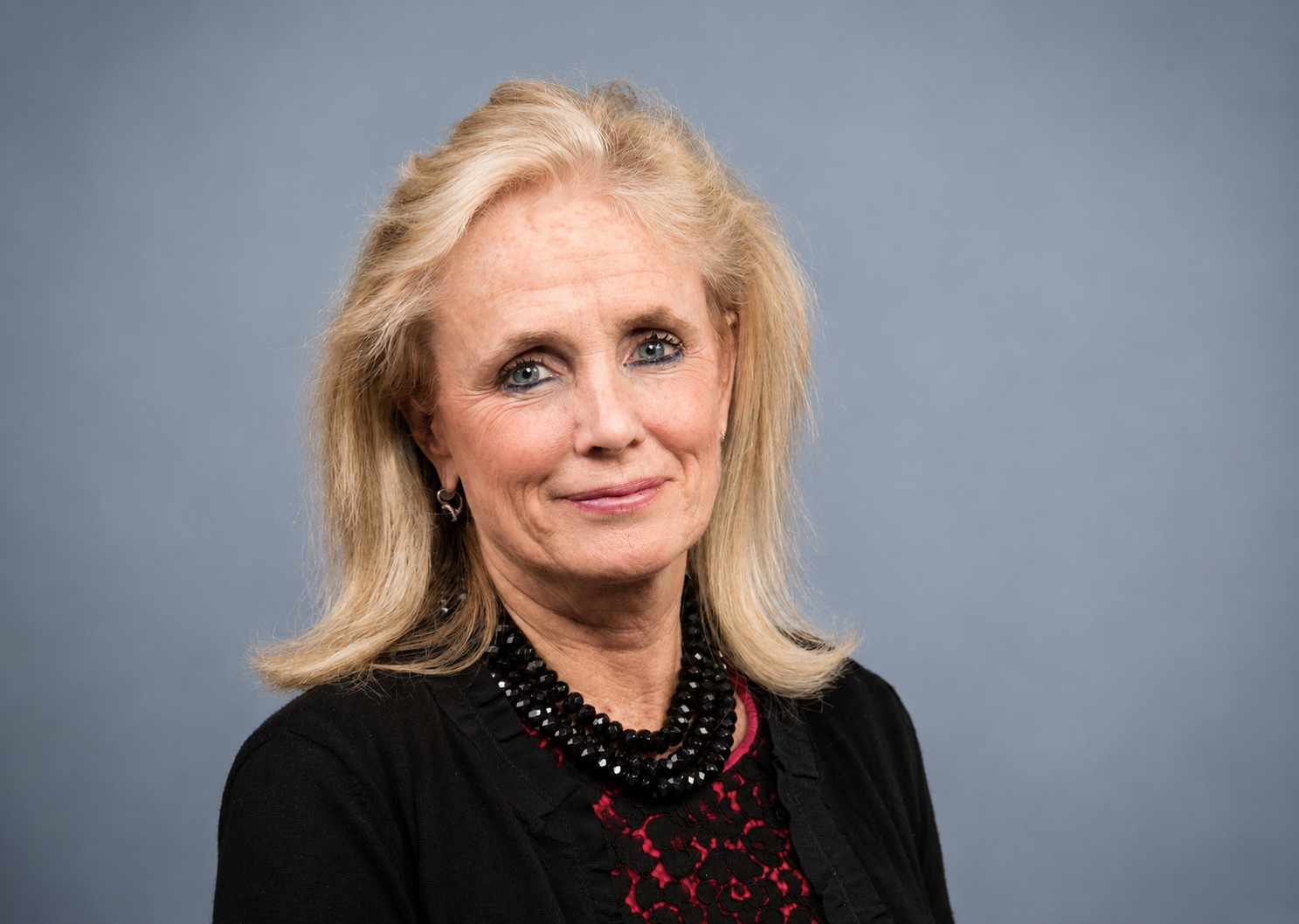
Salman Syed is a fintech executive and startup founder best known today as the founder and CEO of Astrada. His work sits at the intersection of payments, card data, financial infrastructure, and spend management.
Before building Astrada, he spent years working inside the payments ecosystem. At Mastercard, he worked across digital payments, product strategy, and partnerships. At Marqeta, he helped grow the company’s North America business during a period when modern card issuing infrastructure was becoming a major force in fintech. Later, at Fidel API, he worked on real-time card-linked data, a space closely connected to the problem Astrada is now trying to solve.
That mix of experience matters because Astrada is not just selling a feature. It is trying to solve an infrastructure problem that sits between card networks, banks, software platforms, and finance teams. To build in that space, a founder needs to understand how payment data moves, where integrations become painful, and what software platforms need from that data.
This is where Salman Syed’s story becomes interesting. He has seen the payments industry from multiple angles. He has worked with large financial networks, scaling fintech companies, and developer-facing infrastructure. Astrada looks like the next step in that same career pattern.
What Astrada is building
Astrada describes itself as the data layer for autonomous finance. That may sound technical, but the core idea is simple.
When a business uses corporate cards, every payment creates valuable data. That data can show where money is going, who spent it, whether it followed policy, which department it belongs to, and how it should be recorded. The problem is that many finance tools do not get that information quickly enough or in a clean enough format to act on it in real time.
Astrada is building a unified API that helps software platforms connect to real-time card and banking data. Instead of each platform building complex direct integrations with different card networks, banks, and processors, Astrada aims to provide one layer that makes that data easier to use.
For finance platforms, this can support features like real-time expense visibility, automated reconciliation, transaction enrichment, policy checks, and smoother reporting. For businesses, it can reduce the need to switch cards just to get better spend management software.
That is an important shift. Many companies already have card programs they trust. They may use specific banks, rewards programs, purchasing processes, or card relationships. If a finance tool requires them to abandon those cards, adoption becomes harder. Astrada’s approach gives software platforms a way to support existing cards while still offering more modern workflows.
Why real-time spend data matters now
For years, business spending has often been reviewed after the fact. An employee pays for something, keeps the receipt, submits an expense report, waits for approval, and finance teams reconcile everything later. This process works, but it is slow and frustrating.
The bigger issue is that delayed data limits what finance software can do.
If a transaction appears hours or days later, it is harder to stop policy issues before they grow. If transaction details are incomplete, finance teams still need manual cleanup. If data is scattered across cards, banks, spreadsheets, and accounting systems, month-end close becomes more painful than it needs to be.
Real-time spend data changes that rhythm. It gives finance teams visibility as spending happens, not just after reports are submitted. It also gives software platforms the raw material they need to build smarter products.
This matters even more as finance teams begin using AI-driven workflows. An AI agent cannot confidently categorize spending, flag exceptions, or recommend action if the data is late, unclear, or incomplete. Better automation depends on better inputs.
That is why Astrada is positioning itself as a core infrastructure layer. The future of finance software is not only about adding AI features on top of old systems. It is also about making the underlying data faster, cleaner, and more connected.
How Astrada supports autonomous finance
Autonomous finance does not mean finance teams disappear. It means software can handle more routine work, while people focus on judgment, planning, and higher-value decisions.
In a traditional finance workflow, humans often spend time chasing receipts, matching transactions, checking expense rules, and cleaning up data. In a more autonomous workflow, software can take the first pass. It can read transaction details, apply company policy, suggest categories, match receipts, and route exceptions to the right person.
Astrada supports that shift by giving finance platforms access to the transaction data they need in real time. That makes it easier for software to act while the context is still fresh.
For example, a finance tool connected through Astrada could help identify whether a purchase fits company policy as soon as it happens. It could match a card transaction to a vendor, a department, or a project. It could support faster reconciliation inside accounting or ERP systems. It could also help platforms build AI agents that monitor spend patterns and surface issues before they become bigger problems.
The important point is that Astrada is not trying to replace finance teams. It is trying to power the systems that help finance teams work with less friction.
Salman Syed’s payments background and why it gives Astrada an edge
One reason Salman Syed is a strong fit for this company is that he understands the payments world from the inside. Astrada’s product sits in a complex area where technical infrastructure, compliance, enterprise sales, and financial partnerships all matter.
At Mastercard, Syed gained experience in a global payments environment. Large payment networks operate at massive scale, and building products in that world requires discipline around reliability, security, partnerships, and trust. Those lessons are useful when building a company that touches card data and business spend.
At Marqeta, Syed saw the rise of modern card issuing infrastructure. Marqeta helped show how powerful APIs could change the way companies build payment products. For Astrada, that same API-first thinking appears in a different part of the market. Instead of helping companies issue cards, Astrada helps platforms connect to the transaction data around cards businesses already use.
At Fidel API, Syed worked closer to the real-time card data layer. Fidel API focused on card-linked experiences and developer infrastructure, which connects naturally to Astrada’s current mission. It also gave him exposure to the need for simple, reliable access to payment data across different use cases.
Put together, these roles give Syed a clear understanding of both sides of the problem. He understands what finance platforms want to build, but also why the underlying payments infrastructure can be difficult to access.
The bring your own card opportunity
One of Astrada’s most practical ideas is the bring your own card model.
In spend management, many platforms encourage or require companies to use the platform’s own card. That can work well for some businesses, but it does not fit every company. A business may already have a corporate card program through its bank. It may rely on existing rewards, credit lines, procurement rules, or internal processes. Switching cards can become a major barrier.
Astrada’s model helps software platforms support existing cards while still giving customers access to real-time spend workflows. This means a company can keep using its current card relationship and still connect that card activity into modern finance tools.
For finance software companies, this can make their products easier to adopt. They do not have to convince every customer to change card programs before seeing value. For businesses, it offers more flexibility. They can choose tools based on workflow quality instead of being locked into a specific card product.
This is one reason Astrada’s work could matter beyond expense management. The same need exists across travel management, procurement, accounting, ERP, embedded finance, and other software categories that rely on accurate spend data.
Why investors are backing Astrada
Astrada has attracted attention from well-known fintech investors and strategic partners. Its seed round included backing from firms such as Bain Capital Ventures, QED Investors, and Nyca Partners, along with involvement from major payments names including Visa and Mastercard.
That backing is meaningful because investors in this space understand how important infrastructure companies can become. Many of the most valuable fintech businesses are not always the ones consumers see first. They are often the companies that sit underneath financial products and make new workflows possible.
Astrada is trying to occupy one of those infrastructure layers. If finance software continues moving toward real-time data, AI-assisted workflows, and autonomous operations, the need for reliable transaction data connectivity will likely grow.
The participation of payments-focused investors also signals that Astrada is working on a serious market problem. Real-time spend data is not just a nice feature for expense apps. It can become a foundation for how finance platforms help companies manage money, control risk, and make faster decisions.
Astrada’s early traction in the fintech market
Early traction is important for any infrastructure startup because the market needs to prove that the problem is real. Astrada has already reported meaningful transaction activity, including millions of transactions and hundreds of millions of dollars in card spend processed through its platform.
Those numbers suggest that the demand is not theoretical. Software companies need easier access to card data, and businesses want better visibility into spending without always rebuilding their financial stack.
Astrada has also been connected with well-known business software and fintech names, including Workday, Zoho, Payhawk, and Miter. These kinds of relationships are important because they show the platform can serve companies building real finance workflows, not just small experiments.
For Salman Syed, this early traction supports the bigger vision. Astrada is not only about solving one narrow expense reporting problem. It is about building the data infrastructure that can support many finance use cases over time.
How Astrada fits into the future of finance software
Finance software is moving into a new phase. In the past, many tools focused on digitizing manual work. They moved paper forms into web apps, replaced spreadsheets with dashboards, and made approvals easier to track.
The next phase is different. Modern finance tools are expected to act more intelligently. They need to understand transactions, apply policies, connect systems, and support AI agents that can handle routine tasks.
That future depends on data quality. Without reliable transaction data, automation becomes fragile. Without real-time visibility, finance teams still operate after the fact. Without strong integrations, software platforms spend too much time building plumbing instead of improving workflows.
This is the space where Astrada wants to become important. It is building for the layer beneath the user interface. The user may see a spend dashboard, an approval flow, an accounting entry, or an AI assistant. But behind those experiences, the platform needs clean card and transaction data.
If Astrada can make that data easier to access and use, it can help many different finance products become more powerful.
What makes Salman Syed’s Astrada story worth watching
The most interesting part of Salman Syed’s Astrada story is the timing. Finance teams are under pressure to move faster, reduce manual work, and support more intelligent systems. At the same time, many companies are not ready to throw away their existing cards, banking relationships, or finance tools.
Astrada sits between those two realities. It gives platforms a way to build modern workflows without forcing every customer into a new card program. It gives finance teams a path toward better visibility without adding more manual steps. And it gives AI-driven finance tools the real-time data they need to become more useful.
Syed’s career makes the story stronger. He has worked across payment networks, card issuing, real-time data, and fintech infrastructure. That gives him a practical understanding of the problem Astrada is trying to solve.
As autonomous finance becomes a bigger part of the software conversation, companies will need more than smart interfaces. They will need trustworthy data layers that connect payments, cards, banking, accounting, and decision-making. Salman Syed is building Astrada for that role.