Even in workplaces that claimed to support growth, salary discussions were often treated like something private, risky, or even inappropriate. You were expected to work hard, stay grateful, and trust that your value would eventually be noticed. For many women, that silence came at a cost. It made raises harder to ask for, promotions harder to benchmark, and unfair pay harder to spot.
That is part of the reason Claire Wasserman and Ladies Get Paid connected with so many people.
What Claire built was not just another career brand handing out generic advice. Ladies Get Paid gave women language for things they were already feeling but did not always know how to name. It turned conversations around salary, self-advocacy, ambition, and workplace confidence into something more public, practical, and community-driven. At a time when pay transparency was becoming a bigger cultural and workplace issue, Claire helped make it feel personal, useful, and possible.
Who Claire Wasserman Is
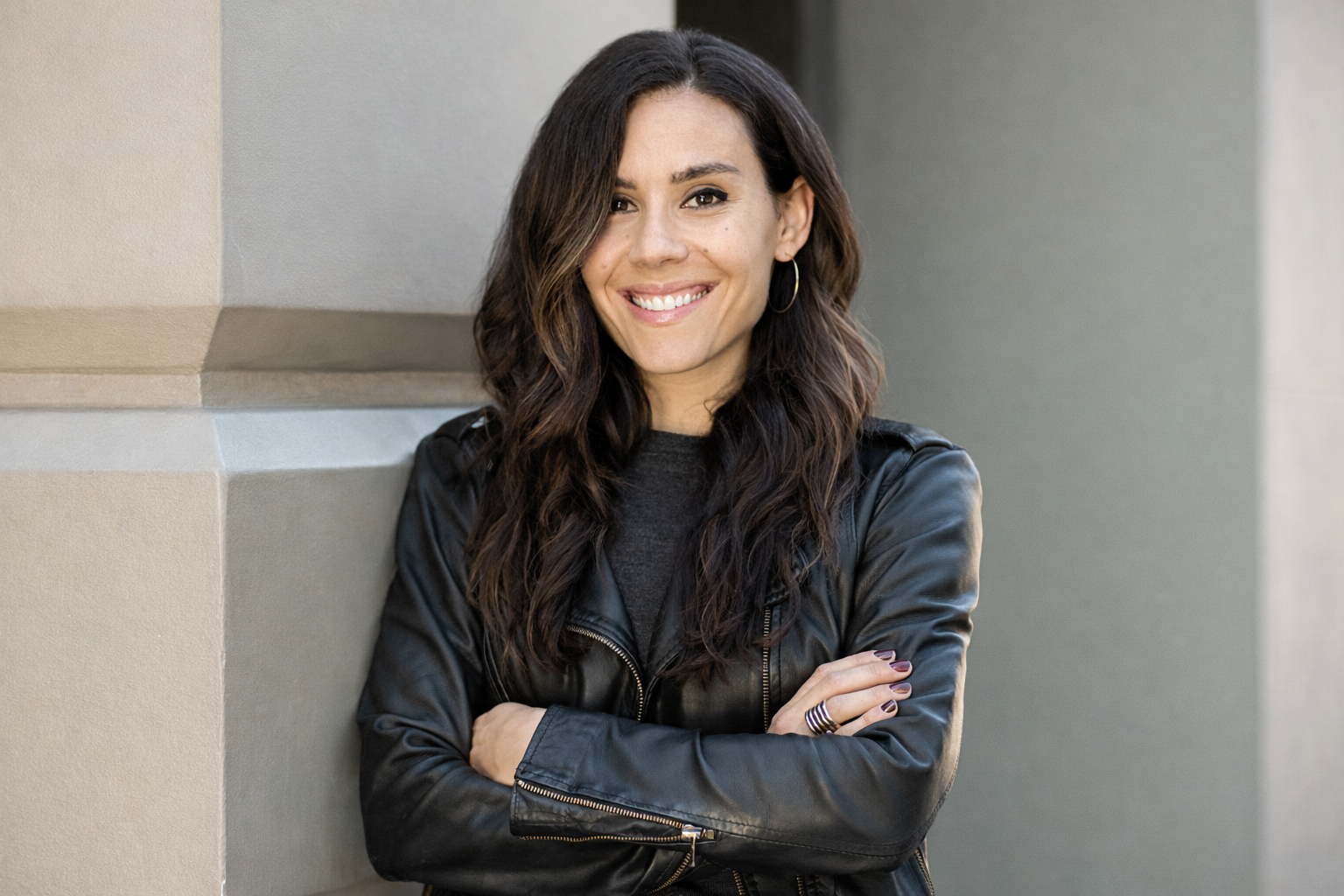
Claire Wasserman is a coach, author, podcast host, and the founder of Ladies Get Paid. Her work has centered on helping women own their worth, ask for more, and rethink the patterns that shape their relationship with money and work.
That focus is one reason her voice has stood out. She has never framed career growth as something purely tactical. Yes, negotiation matters. Yes, knowing the right words to use in a salary conversation matters. But Claire’s message has usually gone deeper than that. She has built her platform around the idea that under-earning is not always just a skills problem. Sometimes it is a confidence problem, a conditioning problem, a workplace culture problem, or a mix of all three.
That broader lens gave Ladies Get Paid a different kind of authority. It was not only about getting a raise. It was about understanding why so many women hesitate to ask for one in the first place.
How Ladies Get Paid Started as a Needed Response
The appeal of Ladies Get Paid came from its timing and its honesty. Women were already talking more openly about burnout, leadership, bias, unpaid emotional labor, and the gender pay gap. But there was still a gap between big ideas and everyday action.
A lot of women did not just want inspiration. They wanted help.
They wanted to know how to negotiate without sounding aggressive. They wanted to know what to say when a manager brushed off a raise request. They wanted to know how to stop shrinking at work, how to get clearer about compensation, and how to build careers that matched both their ambition and their financial goals.
Ladies Get Paid stepped into that gap by offering more than motivational language. It gave women tools, resources, events, coaching, and community. That mix mattered. It meant the brand could speak to both the emotional side of career growth and the practical side of compensation.
Why Pay Transparency Became a Bigger Conversation
The rise of pay transparency did not happen by accident. It grew because more workers began questioning the systems that kept pay hidden and inequality hard to prove.
When salaries stay secret, people are often left to guess what is fair. That uncertainty tends to protect existing power structures more than employees. It can leave women underpaid for years without realizing the size of the gap. It can also make negotiation feel like a personal gamble instead of an informed business conversation.
That is why pay transparency became such an important issue in the broader workplace conversation. It changed the frame. Instead of asking women to individually solve unfair systems in private, it pushed for more openness around compensation, expectations, and value.
For women especially, that shift matters. The more transparent a workplace becomes, the harder it is for inequities to stay hidden behind vague language, inconsistent titles, or selective reward systems. Pay transparency does not fix every workplace problem on its own, but it does make unfairness easier to spot and harder to ignore.
How Claire Wasserman Made the Topic Feel Real
One of Claire Wasserman’s biggest strengths has been her ability to take a subject that feels intimidating and make it feel usable.
Salary negotiation can sound simple when people reduce it to a few rehearsed tips. In real life, it rarely feels simple. Asking for more money can bring up fear of rejection, fear of being seen as difficult, fear of losing the opportunity, or fear of confirming old doubts about worthiness.
Claire’s work made space for that reality.
That is one reason Ladies Get Paid resonated so strongly. It did not pretend that women only needed better scripts. It acknowledged the inner barriers and the external ones. It recognized that workplace confidence is shaped by culture, past experiences, and the messages women absorb about being likable, easygoing, and accommodating.
By talking about money, ambition, and self-worth in the same conversation, Claire made pay transparency feel less like an abstract policy issue and more like a lived workplace need.
How Ladies Get Paid Grew Into a Career Platform
Over time, Ladies Get Paid grew into something much larger than a single message.
It developed into a career-focused platform built around coaching, educational resources, events, a private community, a podcast, and practical tools for women trying to navigate modern work. That growth matters because it shows Claire understood something important early on. Women did not just need one pep talk about asking for more. They needed ongoing support.
That support could look different depending on the moment. For one person, it might mean preparing for a raise conversation. For another, it could mean figuring out whether a role is worth taking in the first place. For someone else, it might mean rebuilding confidence after a toxic job or learning how to stop over-performing without being rewarded for it.
That flexibility helped Ladies Get Paid become more than a trend-driven brand. It became a place women could return to at different points in their careers.
The company’s public positioning also reflects that broader evolution. It speaks not only about money, but about worth, work, self-trust, confidence, and long-term professional growth. That has allowed the brand to stay relevant as conversations around women’s careers have become more layered and more emotionally honest.
The Connection Between Pay Transparency and Career Advancement
The rise of pay transparency is not only about numbers on a job listing. It is also about access to power.
When women have better information about compensation, they are usually in a stronger position to negotiate, assess opportunities, and make strategic career choices. Transparency can reduce the guesswork that often keeps talented professionals underpaid. It can also shift the tone of salary discussions from emotional to evidence-based.
That matters for promotions too.
A woman who understands what similar roles pay, how compensation is structured, and where inequities tend to show up is often better prepared to advocate for a raise, a title change, or a stronger offer. In that sense, pay transparency is tied to career mobility, leadership development, and workplace equity.
This is where Ladies Get Paid found such a strong lane. It sat at the intersection of career coaching and cultural change. The brand did not only tell women to be more ambitious. It helped explain the workplace dynamics that make ambition harder to act on.
Community Was a Big Part of the Brand’s Power
There are plenty of career platforms online. What made Ladies Get Paid feel different was the sense of shared experience behind it.
Career advice tends to land differently when it comes with community. It is one thing to hear that you should negotiate. It is another thing to hear from women who have tried, struggled, succeeded, failed, learned, and kept going. That kind of visibility reduces shame and builds momentum.
For many women, talking about salary is not just a financial act. It is emotional. It touches identity, class background, workplace culture, and years of conditioning around being agreeable. A community can help normalize those feelings without letting them become permanent barriers.
That is part of the larger success of Claire Wasserman and Ladies Get Paid. The brand did not just deliver information. It built an environment where women could see that they were not the only ones asking hard questions about value, compensation, and fairness.
Claire Wasserman’s Personal Brand Strengthened the Mission
Founder-led brands often work best when the founder feels credible, clear, and deeply tied to the mission. That has been true for Claire.
Her public work as an author, speaker, coach, and podcast host helped reinforce the message behind Ladies Get Paid. She was not hidden behind the company. She became one of its clearest expressions.
That mattered because people were not only responding to a business model. They were responding to a point of view. Claire’s voice helped shape the tone of the brand. It was direct without being cold, ambitious without being hollow, and encouraging without pretending the workplace is always fair.
Her book also helped extend the mission beyond the original platform. It gave the brand a longer shelf life and positioned Ladies Get Paid as part of a wider conversation around negotiation, office politics, promotions, imposter syndrome, and self-advocacy.
What This Says About the Modern Workplace
The success of Claire Wasserman and Ladies Get Paid says something important about what workers want now.
People do not only want jobs. They want clarity. They want fairness. They want to understand how to grow, how to earn more, and how to do that without losing themselves in the process.
Women especially have been looking for workplace guidance that does not talk down to them and does not ignore structural realities. They want practical advice, but they also want honesty about bias, burnout, confidence, and compensation gaps.
That is why pay transparency continues to matter. It is not just a trending workplace phrase. It reflects a deeper demand for accountability. It is part of a broader push toward fair compensation, transparent hiring, and better-informed career decisions.
In that environment, Ladies Get Paid made sense. It brought together salary negotiation, career development, emotional intelligence, and financial empowerment in a way that felt grounded in real life.
What Entrepreneurs Can Learn From Claire Wasserman and Ladies Get Paid
There is also a clear business lesson in this story.
Claire Wasserman did not build Ladies Get Paid around a vague message. She built it around a real, ongoing problem that women could immediately recognize. That gave the brand clarity.
She also built it around utility. The idea was not just to inspire people. It was to help them do something. That is often what separates a memorable mission-driven brand from one that fades after the first wave of attention.
Another lesson is that strong communities are often built around specificity. Ladies Get Paid was not trying to be everything to everyone. It spoke directly to women navigating money, work, negotiation, and self-worth. That focus helped it become recognizable and trusted.
And finally, the brand shows the power of turning a difficult conversation into an accessible one. Pay transparency can sound like policy language. Claire turned it into something human. She helped connect the issue to daily work life, real decisions, and the emotional reality of asking to be valued properly.
The Lasting Impact of Claire Wasserman and Ladies Get Paid
The bigger achievement of Claire Wasserman and Ladies Get Paid is not just that the brand grew. It is that it helped normalize conversations that many women had been taught to avoid.
It gave more visibility to salary negotiation, compensation awareness, workplace self-advocacy, and financial confidence. It made it easier for women to see that asking for more was not selfish, awkward, or unrealistic. It was part of professional growth.
That shift matters because workplace change often starts with language. Once people can name a problem clearly, they are better equipped to challenge it. Once they can compare, ask, and question, silence becomes harder to maintain.
In that sense, Ladies Get Paid did more than build a following. It helped push forward a conversation that continues to shape how women think about their careers, their earning power, and their worth at work.