Meta title: How Julia Collins Built Planet FWD Around Real Climate Solutions for Food and Beverage Brands
Meta description: Explore how Julia Collins built Planet FWD into a practical climate platform helping food and beverage brands measure emissions, reduce supply chain impact, and make smarter sustainability decisions.
Julia Collins did not build Planet FWD around a trendy idea or a vague promise about sustainability. She built it around a real business problem that food and beverage companies were already struggling with. Brands wanted to talk about climate impact, but many of them did not actually know how to measure it at the product level, inside the supply chain, or across the full life cycle of what they sold.
That gap became the opportunity.
Instead of creating another brand that simply used eco-friendly language, Collins focused on something more practical. She built a platform designed to help companies understand their carbon footprint, identify emissions hotspots, and make better decisions around ingredients, suppliers, packaging, and production. In a space where a lot of climate talk stays abstract, Planet FWD gained attention because it was built to make sustainability more usable.
That is what makes Julia Collins’ story stand out. She came into this space with real experience in food, entrepreneurship, and product building. Then she used that experience to create a company that speaks the language of operators, not just activists.
Who Julia Collins Is
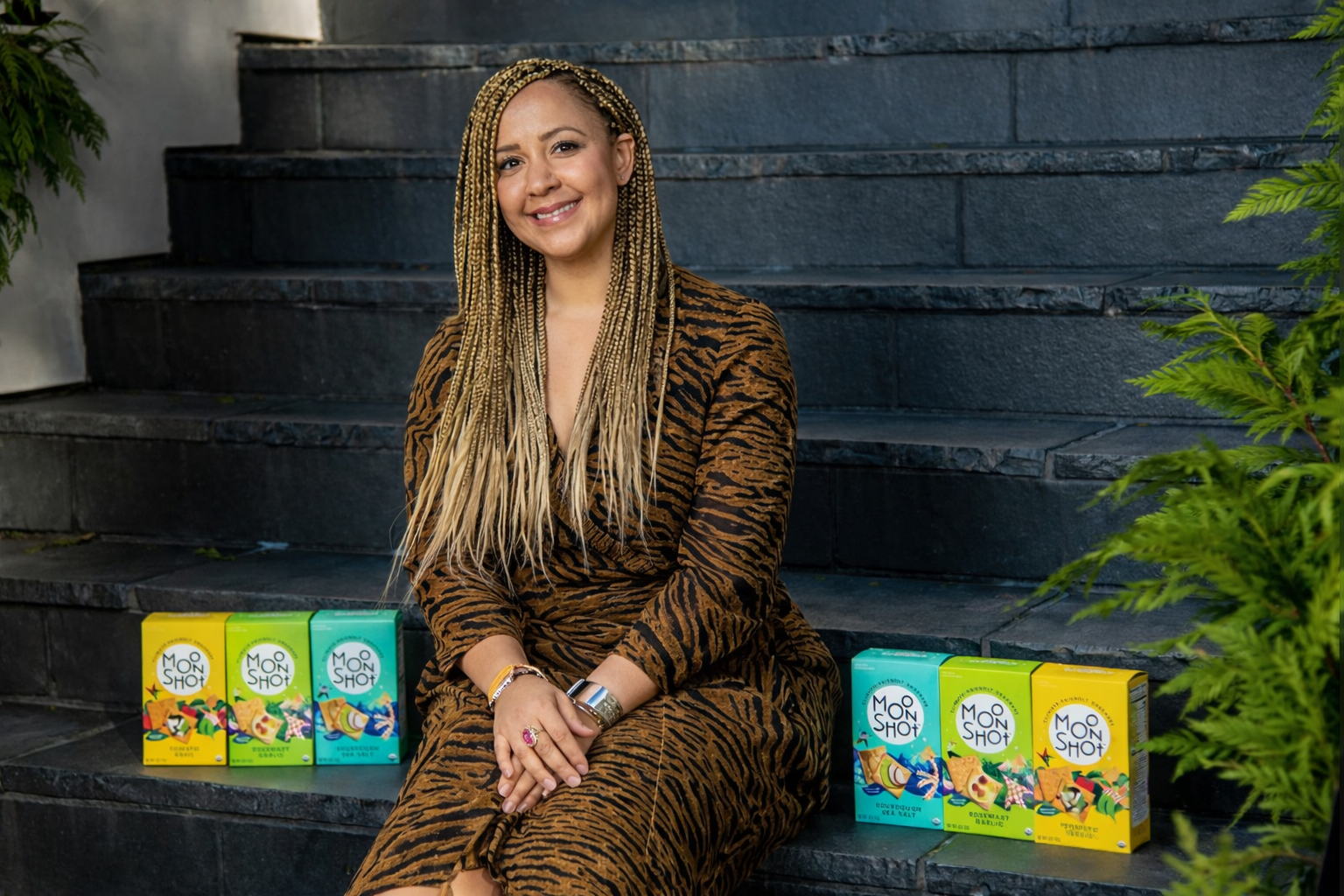
Julia Collins is best known as a founder who has spent years working at the intersection of food, innovation, and business building. Before Planet FWD, she had already built a strong reputation in the food world, including her work with Zume and later Moonshot, a climate-friendly snack brand. That background matters because it helps explain why her approach to climate tech feels grounded.
She did not come into sustainability from the outside. She came from the food business itself.
That gave her something a lot of founders do not have when they enter the climate space. She understood how consumer brands make decisions, how supply chains work, how product teams think, and how difficult it can be to turn good intentions into something measurable. She knew that many companies were not avoiding climate action because they did not care. In many cases, they simply did not have the right data, the right tools, or the right framework.
That is a big reason why Planet FWD feels like a business built from lived experience rather than theory.
What Planet FWD Actually Does
At its core, Planet FWD is a decarbonization platform for consumer brands, with especially strong roots in food and beverage. The company helps brands measure, reduce, and report their environmental impact in a way that is far more specific than broad sustainability claims.
Its work touches some of the hardest parts of carbon accounting, especially Scope 3 emissions, which usually make up the largest share of emissions for consumer goods companies. In food and beverage, those emissions often come from farming, ingredient sourcing, packaging, transportation, processing, manufacturing, and end-of-life waste. That means the biggest climate issues are often buried deep in the value chain.
This is where Planet FWD found its lane.
Instead of relying only on high-level estimates, the platform is designed to support life cycle assessments, product carbon footprint analysis, and deeper supply chain visibility. It helps brands move beyond broad corporate climate language and into actual decision making. A company can start to understand which ingredient is driving more emissions, which sourcing choice has a lower impact, where packaging changes matter, and how product development can align with climate goals.
That practical angle is a major part of the company’s success. It is much easier for a brand to act on sustainability when the data is tied to product choices and operations rather than just a headline target.
The Problem Julia Collins Saw Early
The biggest strength in the Planet FWD story is that it starts with a real market problem.
Food and beverage brands were under growing pressure from consumers, retailers, investors, and regulators to take sustainability seriously. At the same time, many of those companies were still working with incomplete information. They might know they wanted to reduce emissions, but they often did not know where the biggest climate impact sat inside their business.
For some, the issue was measurement. For others, it was speed. Traditional LCA work could be slow, expensive, and hard to scale across an entire product portfolio. Even when brands got a report, it was not always easy to translate those results into changes that product teams, procurement teams, or leadership could act on.
Collins saw the gap clearly. Climate action in food and beverage was not just a messaging problem. It was an infrastructure problem.
Brands needed tools that could help them understand the footprint of products in a usable way. They needed sustainability data that connected directly to formulation, sourcing, and operations. They needed a path from measurement to reduction.
That insight helped Julia Collins build a company around utility, not just awareness.
How Moonshot Helped Shape the Bigger Vision
One reason the Planet FWD story feels more convincing than many founder stories is that it was shaped by direct experience. Collins’ work with Moonshot helped bring the challenge into focus. Building a climate-friendly food brand sounds powerful on paper, but in practice it raises a difficult question. How do you actually prove that a product is better for the planet?
That question pushed the work beyond branding.
To make a credible claim, you need to understand ingredients, sourcing practices, manufacturing, transportation, packaging, and full product life cycle impact. That is a much harder task than simply saying a brand cares about sustainability. It requires methodology, measurement, and systems that can handle complexity.
In that sense, Moonshot was more than a side chapter. It helped reveal the exact friction that many consumer brands face when they try to turn climate ambition into something real. Planet FWD grew from that friction.
This is part of what makes Collins’ success story worth paying attention to. She was not guessing what brands might need. She had already lived the problem from the inside.
Why Planet FWD Fits the Food and Beverage Industry So Well
The food and beverage sector is one of the hardest industries to decarbonize in a clean, simple way. A single product can include multiple ingredients from different regions, each with its own farming methods, transportation routes, processing steps, packaging decisions, and waste profile. Even small changes can shift environmental impact in meaningful ways.
That complexity is exactly why a general sustainability pitch is not enough.
Planet FWD stands out because it is built around the operational realities of this sector. It is not just talking about the environment in broad terms. It is helping brands understand product-level and ingredient-level emissions in a way that can support better business decisions.
For food brands, that matters.
It means climate work can move closer to research and development, sourcing, procurement, and brand strategy. It also means sustainability stops being treated like a separate conversation that lives only in a report or on a marketing page. It becomes part of how a company thinks about what it makes and how it makes it.
That is one of the clearest ways Julia Collins turned a complicated climate issue into a usable business solution.
Building a Business Around Real Reduction Opportunities
A lot of companies can help a brand measure something. Fewer can help that brand understand what to do next.
That is another reason Planet FWD has been able to stand out.
The company’s value is not just in producing numbers. It is in helping brands identify reduction opportunities they can actually act on. If a certain ingredient creates a higher footprint than expected, that insight can shape sourcing. If packaging is a major driver, that can influence design and materials. If supplier-level data reveals a better path, teams can work from something more concrete than guesswork.
This is where the platform becomes more than a reporting tool.
It becomes part of emissions reduction strategy.
That matters even more now because brands are dealing with rising expectations around climate disclosure, environmental impact reporting, and credible claims. The companies that move fastest are often the ones that can connect data with action. Collins seems to have understood that early. Measuring impact is useful, but helping businesses reduce it is where long-term value is created.
The Timing Behind Planet FWD’s Growth
Every strong company story has timing behind it, and Planet FWD arrived at a moment when climate pressure was becoming impossible for consumer brands to ignore.
Sustainability was no longer a side issue. It was becoming part of investor conversations, retail expectations, customer trust, and regulatory planning. CSRD, rising scrutiny around climate claims, and broader pressure around greenhouse gas emissions pushed many brands to move faster than before.
That created a better market for a company like Planet FWD.
Instead of asking brands to care about climate in theory, the company showed them how to work with it in practice. That is a much stronger position. It helps explain why the business gained traction, raised funding, and built credibility in a category that is becoming more crowded.
The growth story is not just about being early. It is about being relevant in a way that matches what brands actually need.
Julia Collins as a Climate Tech Leader
There are plenty of founders in climate tech, but Julia Collins brings a mix that is still relatively rare. She understands the food system, she understands consumer brands, and she knows what it takes to build a company in a difficult category.
That combination gives her leadership style more weight.
She is not simply presenting climate as a moral issue, even though the stakes are real. She is also treating it as an operational and economic issue that businesses need to solve. That makes her message more persuasive to brands that are trying to balance growth, margin, compliance, and sustainability.
It also helps explain why Planet FWD has been able to earn attention as more than a mission-driven startup. It is solving a clear problem in a sector that needs sharper tools.
In many ways, Collins represents a newer kind of founder. She is mission-led, but she is also market-aware. She understands that climate solutions last longer when they fit how businesses already work.
What Brands Can Learn From Julia Collins and Planet FWD
The biggest takeaway from this story is simple. Sustainability becomes far more powerful when it moves from broad intention into day-to-day operations.
That is what Julia Collins built into Planet FWD.
She recognized that food and beverage brands did not just need inspiration. They needed carbon footprint measurement, supply chain intelligence, and better ways to make decisions across products, ingredients, and suppliers. She built a platform that meets brands where they are, whether they are just starting to measure emissions or trying to create a more advanced decarbonization roadmap.
That is why the company’s success feels earned.
It is rooted in a specific problem, a practical solution, and a market that is actively looking for better answers. In a crowded startup environment, that kind of focus matters. It is usually what separates an interesting idea from a business that can keep growing.