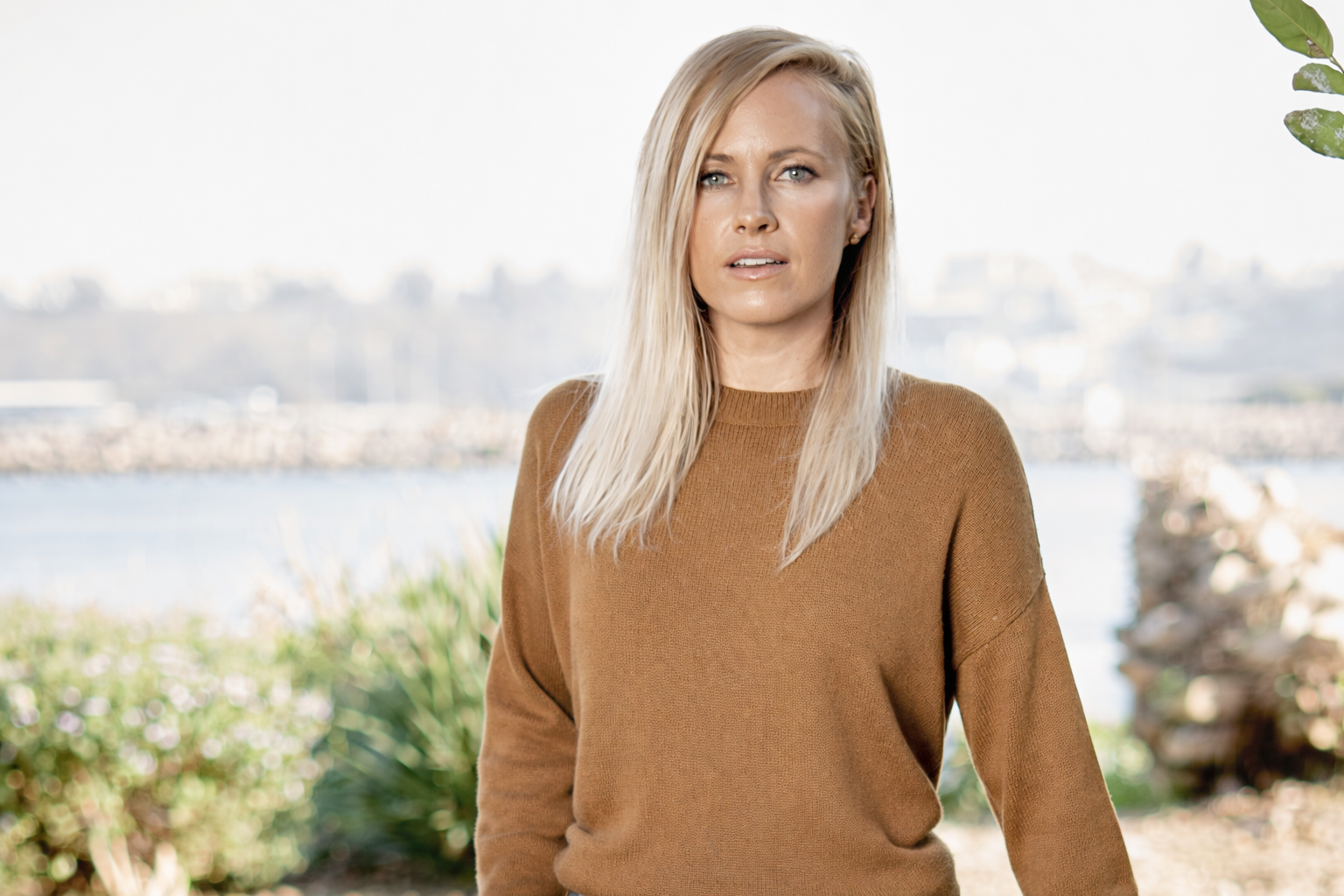
Lindsay McCormick did not start Bite by chasing the biggest category in personal care. She started with a simple question that a lot of people had probably overlooked for years. Why was something as ordinary as toothpaste still packed in plastic tubes that usually end up in landfills?
That question turned into a business idea, and that business idea turned into one of the most recognizable names in modern sustainable oral care. What makes the story behind Lindsay McCormick and Bite so interesting is not just that the brand found a market. It is that it found a way to make an everyday routine feel smarter, cleaner, and more aligned with how many people now want to shop.
Bite did not become noticeable because it shouted louder than legacy brands. It stood out because it challenged the default. Instead of asking consumers to buy yet another version of the same toothpaste, Lindsay McCormick built a brand around a different format, a clearer mission, and a stronger sense of purpose.
The problem Lindsay McCormick saw in everyday oral care
A lot of successful brands begin with a founder spotting a problem that other people have learned to live with. That was the starting point for Lindsay McCormick. She became increasingly aware of how much plastic waste came from everyday personal care products, especially toothpaste tubes.
That frustration mattered because it was tied to a habit nearly everyone has. Toothpaste is not a niche product. It is part of daily life. That made the problem bigger than it looked on the surface. If a better option could fit into the same daily routine without feeling inconvenient, the opportunity was much larger than a trendy eco product.
This is where Bite found its opening. The brand was not built around guilt. It was built around making a sustainable choice feel practical and easy. That difference helped shape the company from the start.
Building Bite from a living room instead of a polished startup office
One of the most compelling parts of the Lindsay McCormick story is how grounded the early stage really was. According to Bite’s own brand timeline, the first tablets were pressed in a living room in 2017. That detail matters because it says a lot about how the company began.
This was not a fully formed corporate launch backed by a huge operation. It was a founder trying to create a better product with the tools and resources available at the time. That kind of beginning tends to shape a company’s culture in lasting ways. It forces clarity. It forces creativity. It also forces the founder to stay close to the product instead of hiding behind branding language.
For Bite, the early days created a very direct connection between mission and execution. The product had to do more than sound sustainable. It had to work well enough for people to actually switch.
Why Bite’s toothpaste bits stood out so quickly
The oral care market is crowded, and most new brands struggle to separate themselves from familiar names that have been on store shelves for decades. Bite broke through because it did not just tweak the packaging. It rethought the format.
Its toothpaste bits offered something visually different, travel-friendly, and far less wasteful than a traditional tube. That gave the brand an advantage in both function and storytelling. Consumers could immediately understand what made it different.
The product also matched a broader shift in buyer behavior. More shoppers were paying attention to ingredients, refill systems, plastic-free packaging, and low-waste alternatives. Lindsay McCormick positioned Bite where sustainability, design, and convenience met.
That is often where newer brands win. They do not have to outspend giant competitors if they can meet a newer consumer expectation faster and with more credibility.
The role of sustainability in Bite’s early momentum
Sustainability was never just a marketing layer for Bite. It was central to the reason the brand existed. The company’s messaging consistently tied the product back to reducing waste from daily routines, and that gave the brand more depth than a short-term trend.
Bite’s model made that mission visible. Glass jars, refill systems, compostable pouches, recyclable packaging, and plastic-free positioning all helped turn the company’s values into something customers could actually see and use.
That visibility matters in modern consumer brands. People are much more likely to trust sustainability claims when the product experience itself reflects the mission. Lindsay McCormick understood that the product had to carry the story on its own.
This is one reason Bite felt fresh in a category that had long been dominated by habit and sameness. It gave people a different way to think about oral care without making the routine feel complicated.
Going viral gave Bite an early signal that the idea was bigger than expected
Not every startup gets clear market feedback early, but Bite did. The brand’s official story notes that it went viral in 2018, which was a meaningful turning point.
That kind of momentum is important for a young company because it does more than bring attention. It shows that the idea has enough emotional pull and practical value for people to talk about it on their own. In other words, it was not just a product that worked. It was a product people wanted to share.
For Lindsay McCormick, that likely confirmed something important. The market for a more sustainable oral care brand was not theoretical. It was real, visible, and growing.
Viral traction alone does not build a lasting company, but it can reveal product-market fit much earlier than traditional retail growth. In Bite’s case, it helped push the brand from interesting concept to serious contender.
Shark Tank helped turn Lindsay McCormick and Bite into a national conversation
A major success point in the Lindsay McCormick and Bite story came with the brand’s appearance on Shark Tank in 2020. That moment mattered for more than exposure. It put the company in front of a much larger audience and gave the brand instant credibility with viewers who may never have heard of toothpaste tablets before.
Bite’s official timeline says the company came away with two offers. Even more importantly, the appearance helped introduce the product category to everyday consumers in a way that felt accessible and memorable.
For founder-led brands, television exposure often works best when the business already has a strong story behind it. That was the case here. Lindsay McCormick was not trying to manufacture a mission for the cameras. The mission had already been built into the brand from the start.
That made the brand easier to understand and easier to remember. It also helped position Bite as part of a much bigger conversation about sustainability, personal care, and product innovation.
Bite did not stay a one-product idea
Some companies get trapped by the product that first made them visible. Bite avoided that by expanding in a way that still felt connected to its original purpose.
Its official company timeline shows that the brand later became a broader oral care destination and then expanded beyond oral care with deodorant. That matters because it shows Lindsay McCormick was not building a one-hit novelty brand. She was building a platform around better daily essentials.
That kind of growth is a strong sign of brand maturity. It means customers are not only buying the first idea. They are trusting the larger philosophy behind the company.
This is often where mission-driven brands either level up or fade out. If the brand promise is real, consumers are willing to follow into adjacent categories. Bite appears to have done that by keeping its expansion aligned with its original values instead of chasing random product launches.
Why B Corp certification added weight to the Bite brand
In 2022, Bite became a Certified B Corporation, which added another meaningful layer to its growth story. For a company built around doing better for people and the planet, that certification helped reinforce that its mission was more than branding.
B Corp certification matters because it signals that a business has been evaluated on standards tied to governance, workers, community, environment, and customers. For a consumer brand, that can strengthen trust in a crowded market where sustainability language is easy to say but harder to prove.
For Lindsay McCormick, this milestone likely represented more than a badge. It showed that Bite had matured from an idea born in a living room into a company with a stronger operational and mission-based foundation.
That progression is what makes the success story more compelling. The company did not just grow. It grew while keeping its original purpose intact.
What made Lindsay McCormick’s approach work
There are a few reasons the Lindsay McCormick and Bite story stands out.
First, the problem was real and easy to understand. Plastic waste from toothpaste tubes is not an abstract issue. It is tied to a product almost everyone uses.
Second, the solution was visible. Toothpaste bits, refill systems, and plastic-free packaging gave consumers something concrete, not just a mission statement.
Third, the brand identity felt consistent. From product design to messaging, Bite built a clear point of view around clean ingredients, lower waste, and better habits.
Fourth, the company expanded without losing its focus. That is harder than it sounds. Many startups grow by diluting what made them interesting in the first place. Bite seems to have grown by deepening the same promise.
And finally, Lindsay McCormick built the kind of founder story that people actually remember. It is specific, credible, and easy to connect with. A living room launch. A waste problem hidden in plain sight. A product that looked different enough to spark curiosity. A television breakthrough. A certification milestone that matched the mission.
Those pieces work together because they feel earned.
The bigger takeaway from the Bite success story
The rise of Bite says something important about where modern consumer brands win. People do not automatically switch products just because a company says it cares about the planet. They switch when a brand makes the better option feel usable, attractive, and worth repeating every day.
That is what Lindsay McCormick managed to do with Bite. She did not just build a sustainability brand. She built a product experience around a sustainability problem and made that experience simple enough for real life.
That combination is what turned a living room experiment into a brand with national attention, category relevance, and long-term credibility. It is also why the story of Lindsay McCormick and Bite continues to resonate with people interested in entrepreneurship, product innovation, and mission-driven growth.