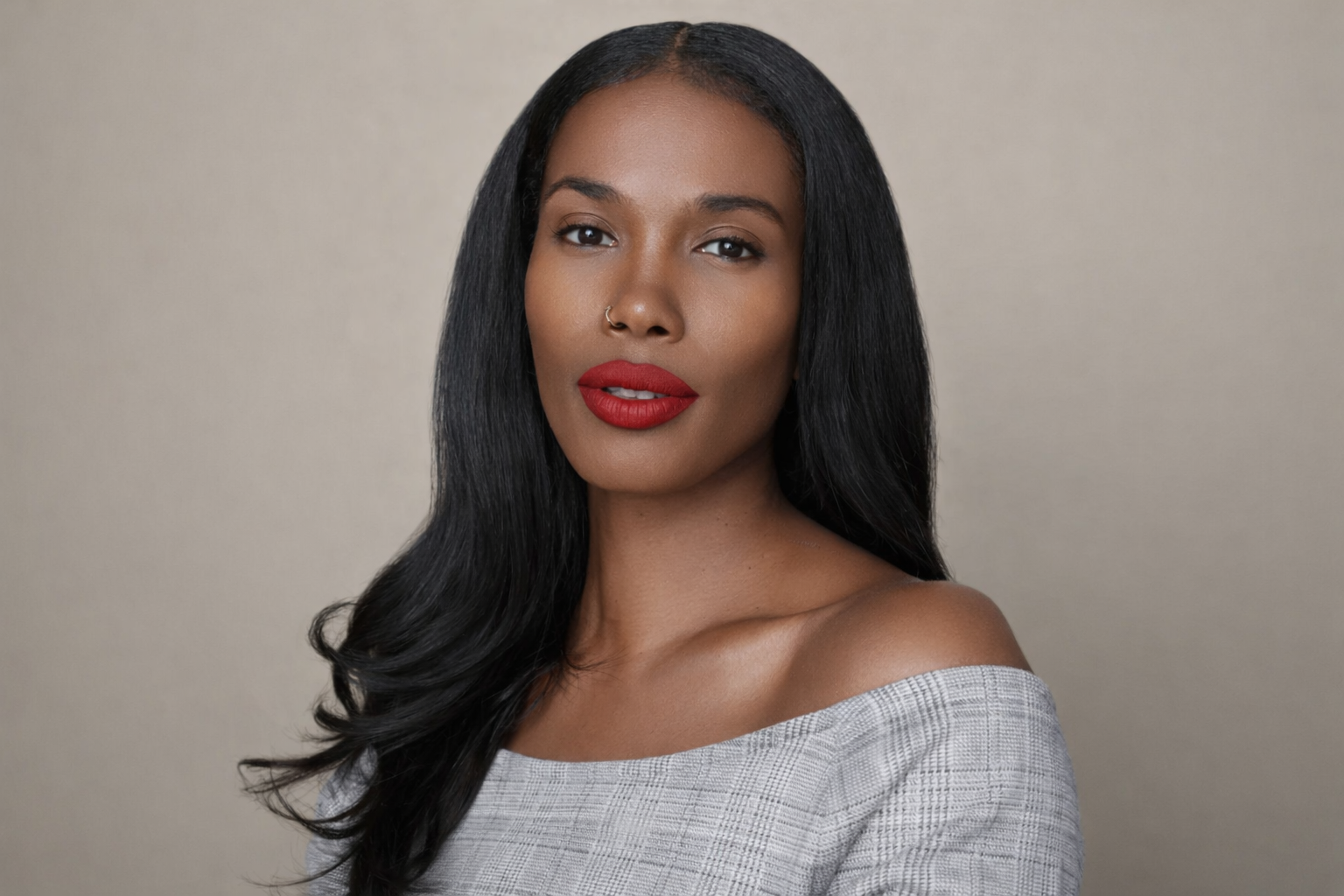
Melissa Butler did not take the usual path into beauty. Before she became the face behind The Lip Bar, she was working in finance and looking at the beauty world from the outside. What she saw did not feel exciting, modern, or made for real people. Too many products leaned on narrow standards, limited shade thinking, and the idea that beauty had to fit one look.
Instead of accepting that, she built something of her own.
What started in a kitchen as a side hustle slowly became one of the most talked-about independent brands in inclusive beauty. Over time, The Lip Bar grew from handmade lip products into a broader beauty business with shelf space at major retailers, stronger brand recognition, and a clear identity people could remember. Melissa Butler’s story stands out because it is not just about launching a makeup line. It is about turning frustration into a real business, staying steady after public rejection, and building a brand that could scale without losing its point of view.
Who Is Melissa Butler and Why Her Story Stands Out
Melissa Butler’s founder story gets attention because it feels both bold and grounded. She did not come from a traditional beauty background, and that became part of her strength. She approached the industry with fresh eyes and a clear sense that too many brands were still speaking to a narrow customer.
From Wall Street to Beauty Founder
Before starting The Lip Bar, Melissa Butler worked in finance. On paper, that kind of career offered stability and prestige, but it did not give her the sense of purpose she was looking for. She wanted to build something more personal, something that reflected what she believed was missing in the market.
That shift from Wall Street to entrepreneurship is a big part of what makes her story memorable. She did not wait for the perfect background, the perfect investor network, or the perfect timing. She started with what she had, learned as she went, and turned that early momentum into a real brand.
The Frustration That Sparked The Lip Bar
At the center of the brand was a simple but powerful observation. The beauty industry often treated women with deeper skin tones like an afterthought. On top of that, a lot of beauty marketing felt overly polished, exclusive, and disconnected from everyday life.
Melissa Butler built The Lip Bar as a response to that gap. The brand leaned into color, confidence, and accessibility. It was not about asking customers to fit into someone else’s beauty standard. It was about creating products that felt expressive, wearable, and made with a broader range of people in mind.
How The Lip Bar Started in a Kitchen
The early version of The Lip Bar was exactly what many startup stories claim to be but rarely are. It started small. Melissa Butler made products herself, tested ideas up close, and built the brand step by step instead of trying to look bigger than it was.
Building the First Products by Hand
In the beginning, the business was hands-on in every sense. Melissa Butler started making vegan lipstick in her kitchen while still working her day job. That stage mattered because it gave the brand its first real identity. It was not built in a boardroom. It was built through experimentation, persistence, and direct contact with the product itself.
That kind of start shaped the brand’s tone. The Lip Bar never felt like a beauty label created by a trend forecast and a marketing deck. It felt personal. It had a founder with a reason for building it and a product line that came from that reason.
Why the Early Brand Message Mattered
A lot of new beauty brands struggle because they try to sound like everyone else. The Lip Bar stood out early because it did not. The message was clear from the start. Beauty should feel inclusive, fun, and easy to connect with. It should not feel intimidating or designed for a tiny slice of the market.
That point of view helped the brand build attention beyond the products themselves. Customers were not only buying lipstick. They were buying into a brand identity that felt more open, more honest, and more reflective of real life.
The Shark Tank Moment That Could Have Ended the Brand
For many people, Melissa Butler’s name is still linked to her appearance on Shark Tank. That moment could have been the end of the story. Instead, it became one of the reasons more people remember it.
What Happened on the Show
When Melissa Butler pitched The Lip Bar on national television, the response from the panel was harsh. The business was dismissed in a way that could have easily shaken a newer founder. Public rejection is different from private rejection. It is louder, more personal, and harder to move past.
But that moment also made the brand visible to a wider audience. People saw a founder who believed in her product and her message, even when the room did not.
How Melissa Butler Turned Rejection Into Momentum
What makes this part of the story worth covering is not the rejection itself. It is what happened after. Melissa Butler kept building. She did not reshape the brand to win approval from people who did not understand the vision. She stayed with it, kept refining the business, and proved that one public no did not define the company’s future.
That resilience became part of The Lip Bar brand story. It showed customers and other founders that rejection does not always mean the idea is weak. Sometimes it means the market has not caught up yet.
Why Detroit Became an Important Part of The Lip Bar’s Growth
As the business grew, Detroit became an important part of how people understood the brand. That mattered because place can shape identity, especially for consumer brands trying to build emotional connection.
Returning to Detroit With a Bigger Vision
Detroit gave The Lip Bar more than a headquarters. It gave the company a sharper sense of character. The brand was not trying to imitate a glossy, detached beauty label. It felt rooted in grit, creativity, and self-made energy.
Melissa Butler’s connection to Detroit added another layer to the business story. It positioned The Lip Bar as a brand with real perspective rather than a startup chasing whatever was trending in beauty that year.
Creating a Brand That Felt Real and Accessible
One of the smartest things Melissa Butler did was keep the brand approachable. Even as The Lip Bar grew, it still spoke to everyday consumers. The products were designed to feel useful, wearable, and easy to understand.
That accessibility became a competitive advantage. In a crowded beauty industry, people often remember the brands that make them feel seen without making the experience feel complicated. The Lip Bar built that kind of connection.
How Melissa Butler Took The Lip Bar From Online Sales to Retail Shelves
A lot of beauty startups can build a following online. Far fewer manage to translate that into serious retail placement. That is where Melissa Butler moved the brand into a different category.
Getting The Lip Bar Into Target
Landing in Target was a major turning point for The Lip Bar. It brought national visibility, helped the brand reach shoppers who may never have discovered it online, and signaled that the company was ready for a bigger stage.
Retail shelf space matters because it changes how a brand is perceived. It tells customers, buyers, and the broader market that the business has moved beyond startup promise and into real consumer reach. For The Lip Bar, Target helped widen that reach in a meaningful way.
Expanding Into Walmart and Beyond
Growth did not stop there. Expansion into Walmart pushed the brand even further into mainstream retail. That move mattered because it increased accessibility and reinforced the idea that The Lip Bar was no longer a niche newcomer. It was becoming a broader national retail brand.
This is where Melissa Butler’s business decisions become especially clear. She did not build a brand only for buzz. She built one that could work at scale. Retail growth helped turn brand awareness into repeat exposure, stronger distribution, and a more durable business model.
How The Lip Bar Grew Beyond Lipstick
The name The Lip Bar may have started with lip products, but the company’s growth depended on expanding beyond that original category.
Expanding the Product Line
Over time, the brand moved into complexion and face products, making the business more complete and more competitive. This kind of product line expansion is important because it gives customers more reasons to stay with a brand once they trust it.
Instead of being known only for bold lip color, The Lip Bar started becoming part of a fuller beauty routine. That shift helped the company evolve from a single-category success into a more rounded consumer brand.
Why Product Expansion Helped Build a Bigger Brand
Expansion also made strategic sense. A wider product range creates more touchpoints with customers, more room for retail growth, and more resilience in a changing market. It lets a brand deepen loyalty instead of relying on one hero product forever.
Melissa Butler understood that long-term growth in beauty usually requires more than one standout item. It requires a broader ecosystem that still feels true to the original mission.
The Business Moves That Helped Turn The Lip Bar Into a National Brand
Behind the public founder story, there were also real operational moves that helped The Lip Bar scale.
Funding, Team Growth, and Brand Scale
As the company grew, outside capital gave Melissa Butler more room to invest in expansion. Funding helped support talent, product development, and a larger vision for the business. That kind of support matters when a founder is trying to move from strong momentum into sustainable scale.
The bigger story here is not just that The Lip Bar raised money. It is that the brand had already shown enough traction, identity, and customer appeal to make that next phase possible.
Balancing Mission and Retail Growth
Scaling a beauty company can dilute what made it special in the first place. Melissa Butler’s challenge was to grow without sanding down the brand’s original voice.
That balance matters. The Lip Bar was built around representation, inclusive makeup, and a more realistic approach to beauty. Those ideas were not side messages. They were central to the brand. Keeping that intact while expanding into bigger retail channels helped the company stay recognizable even as it grew.
What Melissa Butler’s Success Says About Modern Beauty Entrepreneurship
Melissa Butler’s success reflects a broader shift in the market. Consumers are more responsive to brands with a clear point of view, especially when that point of view is backed by real execution.
Representation as a Business Advantage
For years, some companies treated inclusion like an extra campaign or a seasonal message. Melissa Butler built The Lip Bar with that thinking at the center from the beginning. That gave the brand authenticity, but it also gave it a real business edge.
Customers notice when a brand is built with them in mind instead of trying to add them later. In that sense, representation was not just part of the marketing. It was part of the company’s strategy and growth.
Why Her Story Connects With Founders and Consumers
There is a reason Melissa Butler’s founder journey keeps showing up in conversations about beauty entrepreneurship. It brings together several things people connect with right away: risk, rejection, persistence, clear brand identity, and visible growth.
Consumers see a founder who built something different. Entrepreneurs see a reminder that a business can start small, survive early doubt, and still grow into something national.
Lessons Entrepreneurs Can Learn From Melissa Butler and The Lip Bar
Melissa Butler’s story offers more than inspiration. It also offers practical lessons for founders building brands in competitive markets.
Start Small but Build With a Clear Point of View
A kitchen startup does not have to look polished to matter. What matters more is having a clear reason to exist. The Lip Bar did not begin with massive resources, but it did begin with a strong identity.
Use Setbacks as Proof of Direction, Not Failure
The Shark Tank rejection could have pushed the business off course. Instead, it became part of the company’s momentum. Founders can learn a lot from that. Not every no is a dead end. Sometimes it is just friction on the way to product-market fit.
Grow the Brand Without Losing the Original Mission
This may be the most important lesson in the whole story. It is one thing to launch with a mission. It is another to keep that mission visible as the company expands. Melissa Butler managed to scale The Lip Bar into major retail while still keeping the brand tied to inclusivity, accessibility, and everyday beauty.