When people talk about venture capital, the conversation usually drifts toward billion-dollar valuations, splashy headlines, and the startups everyone suddenly wishes they had backed earlier. What gets less attention is the work that happens before any of that, when a founder is still building, the market still looks uncertain, and the smart money has to rely on judgment more than consensus.
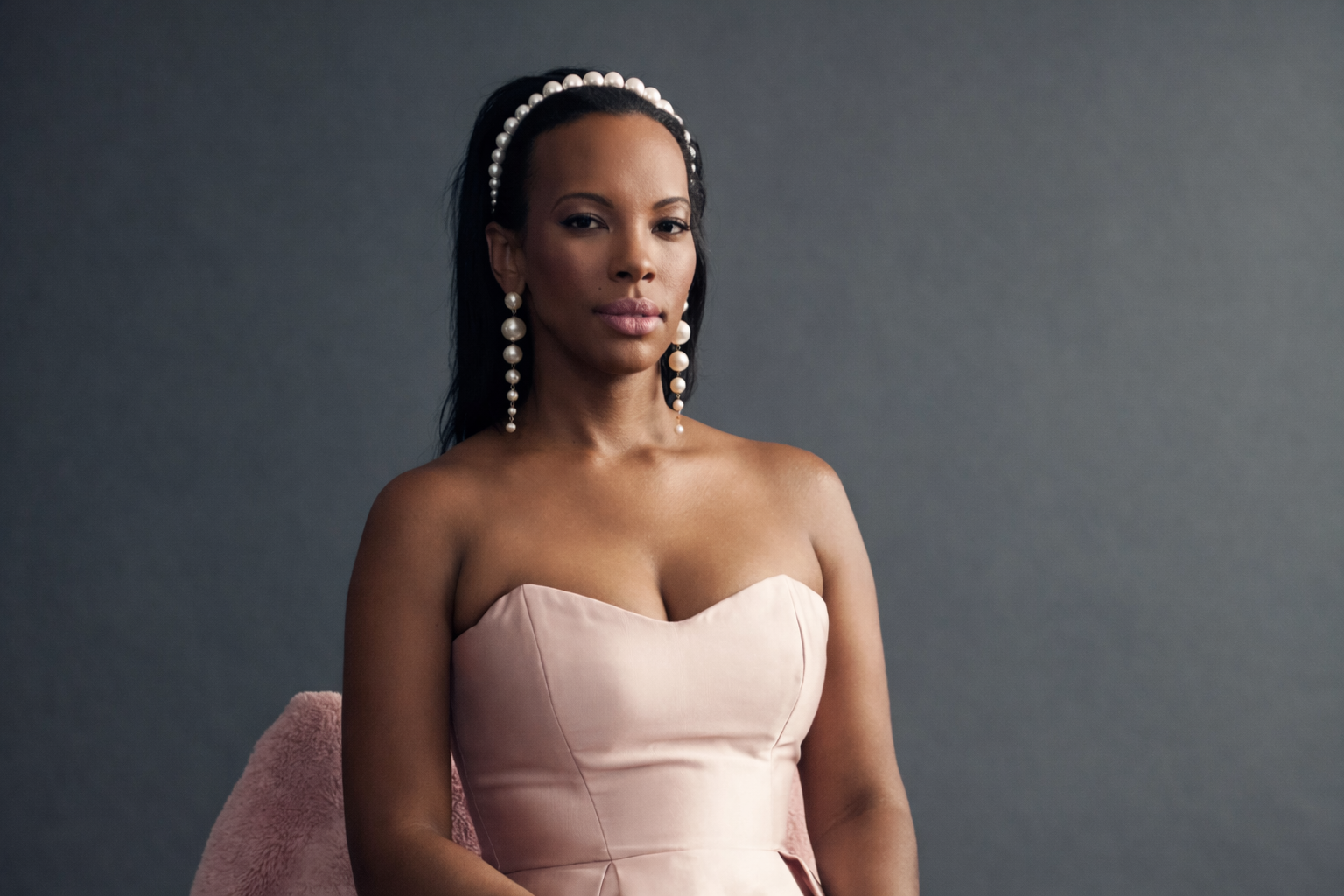
That is where Sarah Kunst has built her reputation.
As the founder and general partner of Cleo Capital, Kunst has carved out a place in early-stage investing by focusing on companies long before they become the obvious choice. Instead of waiting for momentum to prove a startup is worth betting on, she built a firm around the idea that the biggest opportunities often show up early, before the rest of the market fully sees them.
That approach has helped turn Cleo Capital into more than just a source of capital. It has become a launchpad for founders trying to build ambitious companies in fast-moving categories. From fintech and enterprise software to consumer brands and emerging technology, the firm’s portfolio shows a clear willingness to back businesses with room to grow far beyond the earliest funding rounds.
The story of Sarah Kunst and Cleo Capital is not just about starting a venture fund. It is about building a real point of view in a crowded investment world, then using that point of view to support founders with strong upside, strong timing, and a real chance to shape where markets go next.
Who Sarah Kunst Is and Why Her Background Matters
Part of what makes Sarah Kunst stand out is that her career did not begin in a neat venture capital lane. Before founding Cleo Capital, she built experience across major brands and technology environments, including Apple, Red Bull, Chanel, and Mohr Davidow Ventures. That kind of background matters because it gives an investor a wider lens. It sharpens the ability to read consumer behavior, understand brand positioning, and spot where technology can move from niche to mainstream.
Her public profile also grew beyond investing alone. Kunst has served as a contributing editor at Marie Claire, advised Bumble with a focus on Bumble Fund, and built a reputation as an investor who is comfortable speaking publicly about how markets, founders, and capital actually work. That mix of operator experience, media fluency, and venture insight helps explain why her approach feels different from the more traditional image of a venture capitalist.
It also helps explain why Cleo Capital never felt like a random fund launch. It looked more like the result of someone who understood both the business side of growth and the cultural side of how companies earn attention, trust, and momentum.
How Cleo Capital Started With a Clear Early Stage Vision
From the beginning, Cleo Capital was designed to be an early-stage venture fund with a clear sense of where it wanted to play. The firm launched in 2018 and positioned itself around backing founders at the earliest stages, especially when there was still more possibility than certainty.
That matters because the pre-seed and seed world can be noisy. Plenty of investors say they want to get in early, but not all of them have the discipline or conviction to do it well. Cleo Capital made that stage of the market central to its identity. The firm has publicly described itself as a generalist venture capital fund that primarily invests in Delaware C corps building software companies with the potential to become very large businesses, and it has noted that its usual check size ranges from $100K to $1M.
That check range says a lot about how the firm operates. It puts Cleo Capital in the part of the market where the relationship between investor and founder can be especially meaningful. At that stage, capital is important, but so is validation. An early check often signals that someone credible sees real potential before everyone else gets comfortable.
What Makes Cleo Capital Different in a Crowded Venture Space
A lot of funds describe themselves as founder-friendly and thesis-driven, but those phrases are so common that they can start to sound empty. Cleo Capital stands out because its public investment themes are broad enough to allow flexibility but clear enough to show real thinking.
The firm’s three main thesis areas are future of income, complicated consumer, and decentralized enterprise.
That framework gives Sarah Kunst and Cleo Capital room to invest across different sectors without drifting into randomness. Future of income speaks to how people earn, manage, and grow money in a changing economy. Complicated consumer captures products and services that respond to more layered consumer needs, behaviors, and expectations. Decentralized enterprise points toward the ongoing shift in how businesses use software, infrastructure, and distributed systems.
What is interesting about those categories is that they are specific enough to guide decisions, but they are not so narrow that the fund gets boxed into one temporary trend. That balance is part of what helps a venture firm stay relevant. It gives investors a map without forcing them to ignore new roads.
How Sarah Kunst Built a Reputation for Spotting Growth Early
In venture capital, timing is everything. Back too late and you are paying for momentum that somebody else identified first. Back too early without the right judgment and you can spend years defending a bet that never had much chance to work.
Sarah Kunst has built her credibility around that middle ground, where strong pattern recognition matters most. The value in an investor like Kunst is not just that she can identify a promising founder. It is that she can connect founder quality, market movement, and category timing into one decision before the startup becomes obvious to everyone else.
That is one reason the idea of Cleo Capital as a launchpad makes sense. The firm’s role is not simply to write checks. It is to identify companies with room to become much bigger than they look in the moment and help them start moving with more confidence.
There is also a branding element to this. In modern venture, firms are not only judged by the companies they back. They are judged by the clarity of their point of view. Sarah Kunst has built a public identity around being sharp, direct, and highly aware of how business, culture, and technology interact. That gives Cleo Capital an extra layer of credibility in the startup ecosystem.
The Portfolio That Helped Define Cleo Capital’s Success
The best way to understand a venture firm is usually to look at what it has actually backed. In the case of Cleo Capital, the portfolio shows a broad but recognizable pattern.
Public portfolio companies include names such as Ellevest, FalconX, Planet FWD, Kobold Metals, Groq, Modern Treasury, Cameo, MasterClass, Hill House Home, and Levels. Even a quick look at those companies shows that Cleo Capital is not confined to one narrow slice of the market.
There is exposure to fintech, consumer products, enterprise software, health, climate-related innovation, and next-generation infrastructure. That kind of portfolio matters because it reflects a fund that is trying to read where growth will happen, not simply copy where attention already is.
It also supports the larger story around Sarah Kunst. Her success with Cleo Capital does not come from building a fund around a single hype cycle. It comes from building a portfolio strategy that can adapt while still staying rooted in a clear investment thesis.
A portfolio like this also helps reinforce trust with founders. When entrepreneurs look at a venture firm, they are not only asking whether the investor has capital. They are asking whether that investor understands what strong companies look like early on. A diverse but thoughtful portfolio gives Cleo Capital a stronger answer to that question.
Why Founder Backing Became a Core Part of the Cleo Capital Story
One of the most important things in early-stage investing is the ability to back people before their companies are fully proven. At later stages, investors can lean more heavily on revenue, retention, and established traction. At the earliest stage, the founder often is the signal.
That is why founder backing sits at the center of the Cleo Capital story. The firm’s identity has been shaped by a willingness to support ambitious entrepreneurs when they are still early in the journey. In practical terms, that means believing in leadership, judgment, speed, and vision before the market has fully validated all of it.
For Sarah Kunst, this approach fits naturally. Her public career has consistently shown an interest in how founders navigate risk, build trust, and create companies that reflect where culture and technology are heading. That makes Cleo Capital feel less like a passive fund and more like an active partner in the earliest chapter of growth.
This is also where a launchpad becomes different from a bank account. Capital can help a startup survive. Belief from the right investor can help it move faster, attract attention earlier, and enter conversations it may not have reached on its own.
How Cleo Capital Became a Launchpad Instead of Just a Source of Capital
The word launchpad only works if a firm does more than fund companies. In the case of Cleo Capital, the term fits because early-stage investing is often about acceleration as much as financing.
When a startup wins support from a fund with a recognizable thesis and a credible portfolio, that support can ripple outward. It can help with future fundraising, signal quality to other investors, and make it easier for founders to open doors with partners, talent, and customers. The earliest backers often shape the tone of a company’s next chapter.
That is where Sarah Kunst has been effective. She has built Cleo Capital into a firm that founders can point to as proof that someone with real market judgment saw their potential early. That kind of endorsement matters in startup ecosystems where trust moves almost as fast as capital.
It also helps that Cleo Capital has built a brand that feels current rather than generic. The firm is not trying to sound like every legacy venture player. Its positioning is sharper, more modern, and more visibly tied to how founders actually build in today’s market.
How Sarah Kunst Kept Cleo Capital Relevant as Venture Markets Changed
One challenge for any venture firm is staying relevant when the market shifts. Themes that feel hot one year can look crowded the next. Founders change. Capital cycles tighten. Entire sectors cool off and then return in a different form.
Sarah Kunst has shown an ability to keep Cleo Capital moving with those changes instead of getting stuck in one chapter of the startup cycle. A good example is the firm’s cybersecurity accelerator, which signaled that Cleo Capital was still actively looking for new ways to support early-stage companies in a category with growing urgency.
That move matters because it shows the broader shape of Kunst’s investing style. She is not simply reacting to whatever the market is loudly celebrating. She is looking at structural needs, practical demand, and where future startup growth may come from next. In a world where online trust, fraud prevention, and digital security have become more important, that kind of adaptation looks less like trend chasing and more like smart positioning.
What Sarah Kunst’s Success With Cleo Capital Says About Modern Venture Capital
The rise of Cleo Capital says something useful about venture capital today. Founders do not only want capital from firms with old prestige. They also want investors with perspective, speed, relevance, and a strong understanding of how modern businesses actually grow.
That is part of why Sarah Kunst has become a notable figure in the space. She represents a version of venture investing that blends market insight with cultural fluency. She understands that growth is not just about spreadsheets and term sheets. It is also about timing, trust, narrative, and the ability to recognize where new demand is emerging.
For Cleo Capital, that has translated into a fund identity built around early conviction, category awareness, and a portfolio that shows range without losing focus. That combination is hard to build, especially in an industry where many firms either sound too broad to be memorable or too narrow to last.
Lessons Entrepreneurs Can Take From Sarah Kunst and Cleo Capital
For founders, there is a lot to learn from how Sarah Kunst built Cleo Capital.
One lesson is that real growth often starts before public recognition. By the time a startup looks obvious, a lot of the most important decisions have already been made. Another is that the right investor can influence more than a balance sheet. An early believer with a strong reputation can help shape perception, open introductions, and give a company momentum that is hard to manufacture alone.
There is also a lesson in clarity. Cleo Capital did not become recognizable by trying to be everything to everyone. It built a clear point of view, applied that point of view consistently, and backed companies that reflected it.
That is what makes the story of Sarah Kunst and Cleo Capital more interesting than a standard founder profile. It is a story about conviction at the point where conviction matters most. It is about understanding that high-growth startups rarely begin as obvious winners. More often, they begin as strong ideas backed by people who can see further than the crowd.