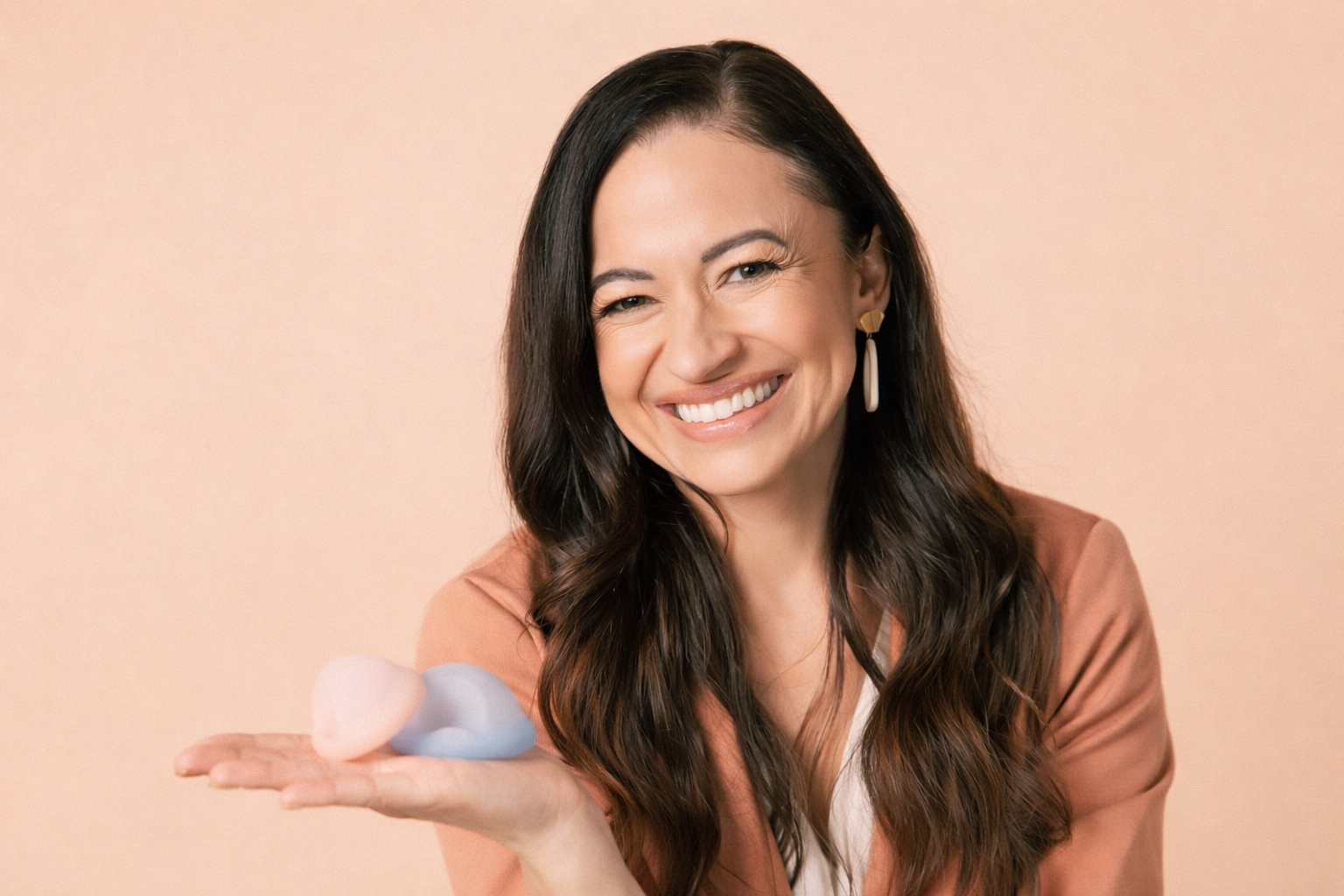
Some brands begin with a market gap. Saalt began with something more personal.
For Cherie Hoeger, the idea was not just about creating another product in the period care space. It came from a real moment of concern, the kind that sticks with you. After learning that family members in Venezuela were struggling to access basic period products, she started thinking about how dependent so many people were on disposable pads and tampons. That question opened the door to something much bigger than a startup idea.
Saalt grew from that moment into a brand that people now recognize for reusable period care, thoughtful product design, and a mission that goes beyond selling menstrual cups and period underwear. Under Cherie Hoeger’s leadership, Saalt built a name around comfort, sustainability, education, and access. It is the kind of business story that stands out because the mission is not tacked on after the fact. It is built into the foundation.
Cherie Hoeger and the personal story behind Saalt
The strongest business stories usually start with a real problem, and that is exactly what happened here. Cherie Hoeger did not come into the period care market trying to chase a trend. She was moved by a very human issue. When she learned her aunt in Venezuela could not reliably find pads and tampons, it changed the way she thought about everyday period products.
What had long been treated as a routine purchase suddenly looked fragile. If access to disposable products disappears, what happens then? For Cherie, that question became impossible to ignore. She began to look more closely at reusable period care and saw something powerful in it. These products were not only practical and sustainable. They could also give people more independence and dignity.
That shift in perspective shaped Saalt from the beginning. The company was not built around fear, shame, or outdated messaging. It was built around helping people care for their periods in a healthier, more sustainable way.
Why Cherie Hoeger saw a gap in the period care market
The traditional period care category had been operating the same way for decades. Most shoppers were still choosing between disposable pads and tampons, even though those products came with ongoing cost, constant waste, and limited flexibility.
Cherie Hoeger saw a space for something better. Reusable menstrual cups and discs offered a different experience. They could last for years, reduce waste, and cost less over time. They also gave users a sense of freedom that many disposable products did not.
But the opportunity was not just about function. The market also needed a brand that could make reusable period care feel approachable. A lot of people were curious about menstrual cups and leakproof underwear, but they were also hesitant. Some found the products unfamiliar. Others felt uncomfortable even talking about periods in the first place.
That meant Saalt had to do more than launch products. It had to build trust, lower the learning curve, and make a category that felt intimidating seem simple and modern.
How Saalt launched with a mission first mindset
One of the reasons Saalt stands out is that it never felt like a brand trying to borrow purpose for marketing. The mission was already there.
From the start, Saalt positioned itself as a company that cared about both product performance and social impact. That combination gave the brand a different kind of credibility. It was not only offering a reusable alternative to disposable period products. It was also speaking to bigger issues like menstrual health, sustainability, and access.
This mission first mindset shaped the way Saalt talked to customers. The messaging felt clear, practical, and empathetic. Instead of making periods sound embarrassing or inconvenient, the brand treated them as a normal part of life that deserved better solutions.
That tone mattered. In a category where many consumers still feel uncertainty, the way a brand speaks can be just as important as what it sells. Saalt’s voice helped create a sense of comfort from the beginning.
The products that helped Saalt stand out
A strong mission can open the door, but products still have to deliver. Saalt’s growth story works because the products gave people a reason to stay.
The company became known for reusable menstrual cups, discs, and leakproof underwear designed to make period care simpler and more comfortable. These were not framed as niche alternatives for a tiny group of shoppers. Saalt presented them as realistic, everyday solutions for people who wanted better comfort, less waste, and more long term value.
That product positioning helped the brand appeal to more than one kind of customer. Some were interested in sustainability. Others wanted to save money over time. Some were looking for a better physical experience than what they had with disposable products. Many wanted all of those things at once.
Saalt’s leakproof underwear also gave the company another point of differentiation. Product innovation became part of the story, especially as the brand developed technology around comfort, absorbency, and performance. That matters in a crowded category. Mission may attract attention, but strong product design is what helps a brand earn repeat trust.
How Cherie Hoeger built Saalt around education and trust
One of the hardest parts of growing a period care brand is that you are not only selling a product. You are also helping people rethink habits they have had for years.
Cherie Hoeger understood that education had to be a central part of Saalt’s growth. People needed help understanding how menstrual cups work, how period discs compare, what leakproof underwear can actually do, and how reusable products fit into real life. Without that guidance, even the best products could feel too unfamiliar for first time buyers.
Saalt handled this well by making education feel supportive rather than clinical. The brand created a customer experience built around reassurance. That matters a lot in a category where comfort, body awareness, and confidence play such a big role.
Trust also came from the way Saalt approached the broader conversation around periods. Instead of leaning into fear based messaging, the company leaned into normalization. That helped customers feel seen instead of sold to. It made the brand feel more human, which is often what people respond to most.
How Saalt turned social impact into a real brand differentiator
A lot of companies talk about impact. Fewer build it into how the business actually works.
Saalt made social impact part of its identity from the beginning. The company tied its growth to a broader mission around menstrual equity, education, and period poverty. That gave the brand emotional depth and made the story more meaningful than a simple product launch.
This was especially important because Saalt’s origin was already connected to access. Cherie Hoeger did not need to invent a cause that sounded good in a campaign. The reason behind the business naturally led to real impact work.
That authenticity matters. Customers can usually tell when a brand’s values are only there for appearances. Saalt built stronger loyalty because its mission felt consistent across the brand story, product philosophy, and company actions.
It also helped Saalt stand out in a competitive wellness and personal care market. Plenty of companies can make claims about quality. Fewer can connect product innovation with a purpose that customers genuinely want to support.
What B Corp certification says about Saalt’s growth
Saalt’s Certified B Corporation status adds another important layer to the story.
For many brands, values sound good on paper. B Corp certification gives those values a more formal kind of accountability. It signals that the company is being measured against social and environmental standards, not just sales performance.
For Cherie Hoeger and Saalt, that matters because it reinforces the idea that the mission is part of the business model. The company is not simply talking about sustainability and social good. It has chosen to be evaluated in a way that supports those claims.
That kind of credibility can make a real difference, especially with modern consumers who are often skeptical of polished brand language. Certification does not replace strong products or good leadership, but it does strengthen the story. It gives Saalt more weight as a purpose driven company operating with real standards behind it.
How Saalt moved from startup brand to wider visibility
Growing a mission driven company is one thing. Reaching mainstream shoppers is another.
Saalt’s rise became even more notable as the brand gained broader visibility. Wider retail exposure helped move reusable period care closer to everyday consumer awareness. That shift matters because category change only happens when new habits become easier for more people to try.
This is where Saalt’s brand positioning worked in its favor. The company did not present reusable period care as something extreme or complicated. It made the category feel accessible, useful, and relevant to modern life. That approach helped the brand bridge the gap between early adopters and a broader audience.
When a brand with a strong mission also earns shelf space, repeat customers, and broader recognition, it says something important. It shows that purpose and scale do not have to work against each other. In Saalt’s case, the mission helped make the growth story stronger.
The leadership traits that shaped Cherie Hoeger’s success
Behind every strong brand is a founder perspective that keeps the company grounded. In Cherie Hoeger’s case, a few leadership traits clearly helped shape Saalt’s success.
The first is empathy. Saalt exists because she took a personal story seriously enough to act on it. That kind of empathy gave the company a deeper reason for being.
The second is vision. It takes vision to see that a period care brand can be about more than products. Cherie Hoeger recognized early that Saalt could sit at the intersection of sustainability, education, comfort, and social impact.
The third is persistence. Period care is still a category wrapped in stigma for many people. Building in that space takes patience. It takes the willingness to repeat the message, educate the customer, and keep improving the product.
And finally, there is clarity. Saalt’s story has remained easy to understand because the brand knows what it stands for. That kind of clarity is often underrated, but it is one of the biggest reasons customers remember a company and trust it.
What other founders can learn from Cherie Hoeger and Saalt
There is a lot in this story that applies beyond period care.
One lesson is that the best businesses often start with a problem that actually matters. Cherie Hoeger did not begin with abstract market research alone. She began with a real issue that people were living through.
Another lesson is that mission works best when it is built into the model, not attached later. Saalt’s growth feels believable because the mission is present in the products, the brand voice, and the company’s impact work.
There is also a lesson in education. If you are entering a category where customers need to change behavior, you cannot rely on product alone. You have to teach, simplify, and build confidence.
And then there is the product lesson. A meaningful mission can draw attention, but long term success still depends on quality, comfort, usefulness, and trust. Saalt appears to have grown because it respected both sides of the equation. It cared about the bigger purpose and the everyday customer experience.
That is what makes Cherie Hoeger’s success story worth paying attention to. Saalt did not grow by sounding important. It grew by solving a real problem, building products people could believe in, and staying close to the mission that started it all.