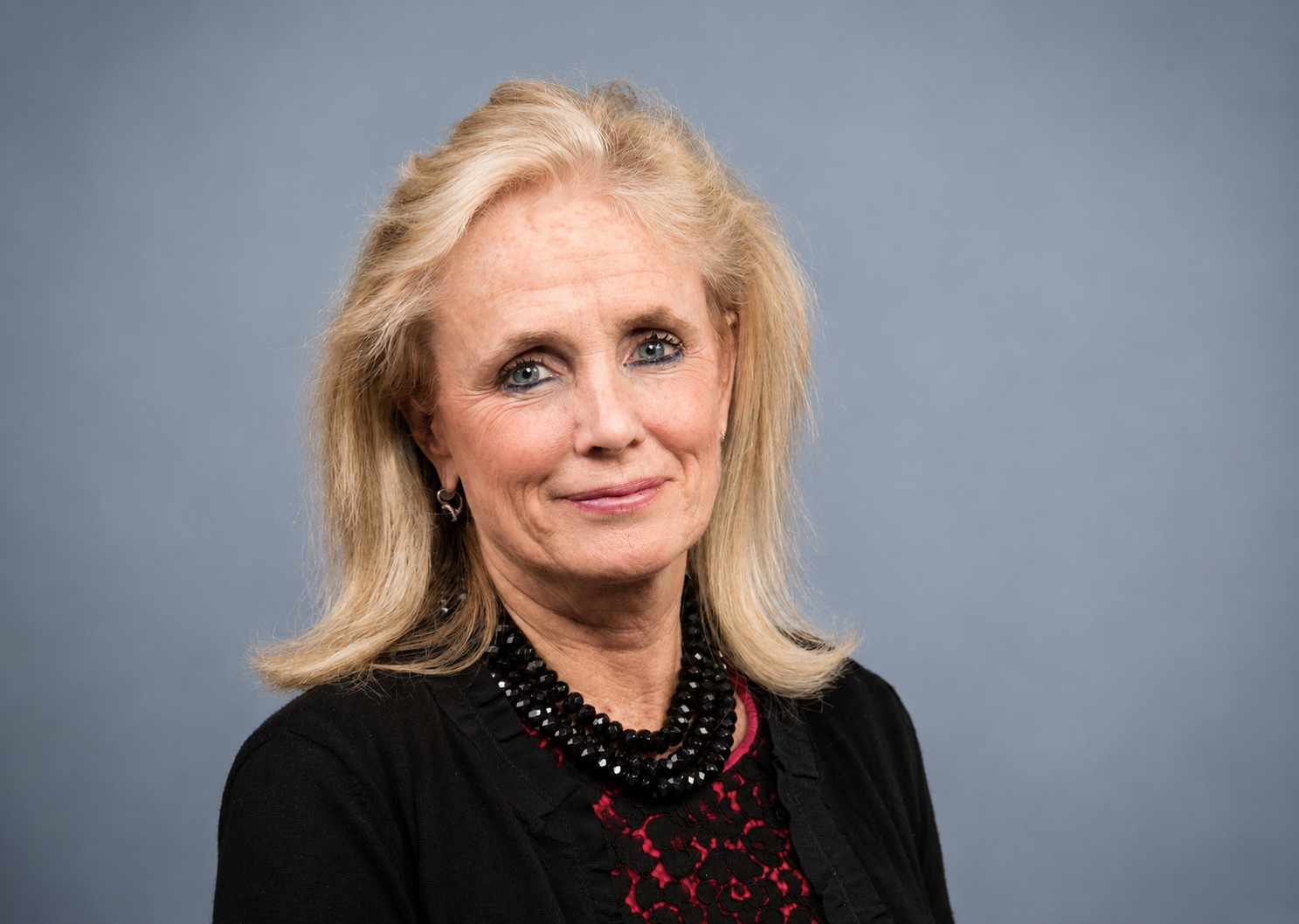
Katie Sturino did not build Megababe by raising a huge round, hiring a giant team, and trying to manufacture hype from day one. She built it by spotting a problem that millions of women already understood, creating products that felt useful and relatable, and growing the brand in a way that stayed close to real customer needs.
That is a big reason the Megababe story stands out. In a beauty and personal care market that often rewards speed, scale, and trend chasing, Katie Sturino took a different route. She started with a problem that had long been treated as awkward, unglamorous, or too niche to matter. Then she turned that problem into a brand people could actually see themselves using.
Megababe became known for talking openly about body discomfort, especially the kinds of everyday issues many brands had ignored for years. Thigh chafing, boob sweat, body odor, razor bumps, body acne, and other so-called taboo concerns became the center of the brand instead of something hidden in the fine print. That decision gave Megababe a voice, a point of view, and a clear reason to exist.
What makes Katie Sturino and Megababe especially interesting is that this growth did not come from outside funding. The company stayed self-funded while building awareness, expanding its product line, and moving into major retailers. That kind of growth says a lot about the strength of the idea, the discipline behind the business, and the value of building a brand around a real need instead of a pitch deck.
Katie Sturino Saw a Gap the Beauty Industry Had Been Overlooking
Before Megababe became a recognizable body care brand, Katie Sturino was already known for her presence online and for speaking openly about body confidence, size inclusion, and fashion. That gave her a close view of what women were actually talking about, not just what brands assumed they cared about.
One issue kept coming up again and again: thigh chafing. It was common, frustrating, and surprisingly underserved. Products existed, but many of them felt clinical, outdated, or designed without women in mind. For a problem that affected so many people, there was very little on the market that felt modern, approachable, or worth keeping in your bag.
That was the opening Katie Sturino recognized. She did not invent the problem. She noticed that the market had failed to treat it seriously. That difference matters. Strong brands often begin when a founder realizes people are already looking for relief, clarity, or convenience and simply are not being served well.
Megababe entered the market with a clear understanding of that white space. The brand was not trying to be everything at once. It was solving a specific pain point in a way that felt more honest, more stylish, and more in tune with how real customers talked about their bodies.
Megababe Started With a Product People Understood Right Away
A lot of founder stories become messy because the first product is too broad or too abstract. Megababe did the opposite. It launched with a product that was easy to understand and easy to explain.
Thigh Rescue gave the brand a strong starting point because the problem was immediately recognizable. You did not need a long pitch to understand why it mattered. If you had ever dealt with skin friction, warm weather discomfort, or the irritation that comes from thighs rubbing together, the product made sense in seconds.
That clarity helped Megababe build early trust. People knew what the product was for, why it existed, and who it was made for. It did not feel like a trend product trying to invent a new insecurity. It felt like a smart solution to something people already wanted help with.
That early clarity also helped define the Megababe brand identity. The company was not built around vague wellness language or polished beauty jargon. It was built around practical, problem-solving body care that made everyday life more comfortable. That tone gave Katie Sturino and Megababe a sharper position in the market than many larger brands had.
Why Staying Self-Funded Shaped the Way Megababe Grew
The most important part of this story is right in the headline: Katie Sturino built Megababe without outside funding.
That choice shaped almost everything about the business. When a company is self-funded, every move matters more. Product launches have to be more intentional. Inventory decisions have to be smarter. Marketing has to work harder. Growth cannot just be a story told to investors. It has to show up in actual sales, customer demand, and repeat purchases.
For Megababe, that discipline seems to have been an advantage rather than a limitation. Instead of growing in a way that pushed the brand away from its original purpose, the company expanded carefully around the same core promise. It kept focusing on body care products that solved real discomfort and made customers feel more confident.
There is also a brand-control advantage that comes with staying self-funded. Katie Sturino was able to protect Megababe’s voice, product direction, and identity without needing to reshape the company around outside expectations. That matters even more in a category like beauty, where brands can lose their personality quickly once growth pressure starts taking over.
Megababe’s success shows that bootstrapping does not always mean staying small. Sometimes it means growing on your own terms, with a clearer sense of what customers actually want and a stronger connection between the founder and the brand.
Katie Sturino Turned Trust and Community Into Real Brand Momentum
One of the biggest advantages Katie Sturino brought to Megababe was credibility with an audience that already knew how she communicated. She had built trust by talking openly about bodies, fit, comfort, and confidence in a way that felt direct rather than polished for corporate approval.
That mattered because Megababe was entering a category filled with issues many people had been taught to feel embarrassed about. Body odor, sweat, chafing, and razor irritation are common experiences, but that does not mean people always feel comfortable discussing them. Katie Sturino helped remove some of that shame by making the conversation more normal.
This is where Megababe became more than a product line. It became a brand that reflected the emotional side of body care too. The products were about comfort, but the messaging was also about relief, confidence, and being able to talk about your body without feeling awkward.
That kind of connection is hard to fake. It also helps explain how Megababe could grow without relying on outside funding to buy attention. When a founder has a genuine relationship with the audience, the brand starts with something money cannot easily replace. It starts with trust.
Megababe Expanded Without Losing the Original Idea
A lot of brands get into trouble after a successful first product. They start expanding too quickly, drifting into categories that do not really fit, or launching products that feel disconnected from the reason customers showed up in the first place.
Megababe avoided that trap by staying close to its original mission. After making its name with Thigh Rescue, the brand continued expanding into adjacent body care needs. That included products tied to sweat, deodorant, shaving, body acne, odor, and other everyday discomforts that people deal with but do not always see reflected in mainstream beauty marketing.
That is what made the expansion feel natural. Megababe was not randomly chasing categories. It was building out a fuller version of the same promise. The company kept asking a version of the same question: what body care problems are common, underserved, and still being talked about with too much embarrassment?
That question gave the brand room to grow while staying recognizable. It also helped Megababe become more than a one-product success story. Katie Sturino turned a hero product into a broader body care business because she understood the deeper need underneath the first launch.
Customers were not just buying an anti-chafe stick. They were buying into a brand that made personal care feel more honest, more practical, and less shame-driven.
Retail Growth Proved Megababe Was Bigger Than a Niche Brand
One of the clearest signs of Megababe’s success is where the brand ended up showing up. Over time, the company moved into major retailers and expanded its reach in a way that made the products easier to find in everyday life.
That mattered because convenience is part of the value in body care. If someone needs relief from chafing, sweat, or irritation, they do not want a brand that feels hard to access. They want something easy to find, easy to understand, and easy to trust.
Megababe’s retail growth helped solve that. The brand has been sold through well-known names like Target, Ulta, Walmart, CVS, Amazon, Nordstrom, and Boots, along with other retail partners. That kind of distribution does more than increase sales. It signals that the category is bigger than skeptics once assumed.
That point is especially important because Katie Sturino has spoken about how some investors initially saw the product idea as too niche. Retail expansion told a different story. If a brand built around anti-chafe, odor, sweat, and other overlooked body care concerns can scale across major shelves, then the problem was never too small. It was just underestimated.
In that sense, Megababe did not only build a brand. It helped prove there was a mainstream body care market hiding in plain sight.
What Other Founders Can Learn From Katie Sturino and Megababe
There are a few clear lessons in the Megababe story, especially for founders who think they need outside funding before they can build something meaningful.
The first lesson is to start with a real problem, not a branding exercise. Katie Sturino did not begin with a generic goal to launch a beauty company. She started with a body care issue that people already experienced and already wanted solved.
The second lesson is to make the first product easy to understand. Thigh Rescue worked as an entry point because customers did not have to decode it. The value was obvious.
The third lesson is to build around customer truth. Megababe grew because it stayed connected to the everyday discomforts its audience actually cared about. That kind of relevance is more durable than hype.
The fourth lesson is that brand voice matters. Megababe’s tone made people feel seen. It did not sanitize the problem or hide behind vague language. It addressed body issues directly but without making customers feel worse about themselves.
The fifth lesson is that self-funded growth can be a strength when it keeps the founder focused. Bootstrapping forced discipline, but it also helped preserve Megababe’s identity. Katie Sturino was able to grow the company without giving up the directness and honesty that made the brand resonate in the first place.
That is why the Megababe story continues to stand out. It is not just about building a successful beauty brand. It is about proving that a founder can take an overlooked consumer problem, create a brand around it, grow carefully, and reach national retail without depending on outside capital to validate the idea first.