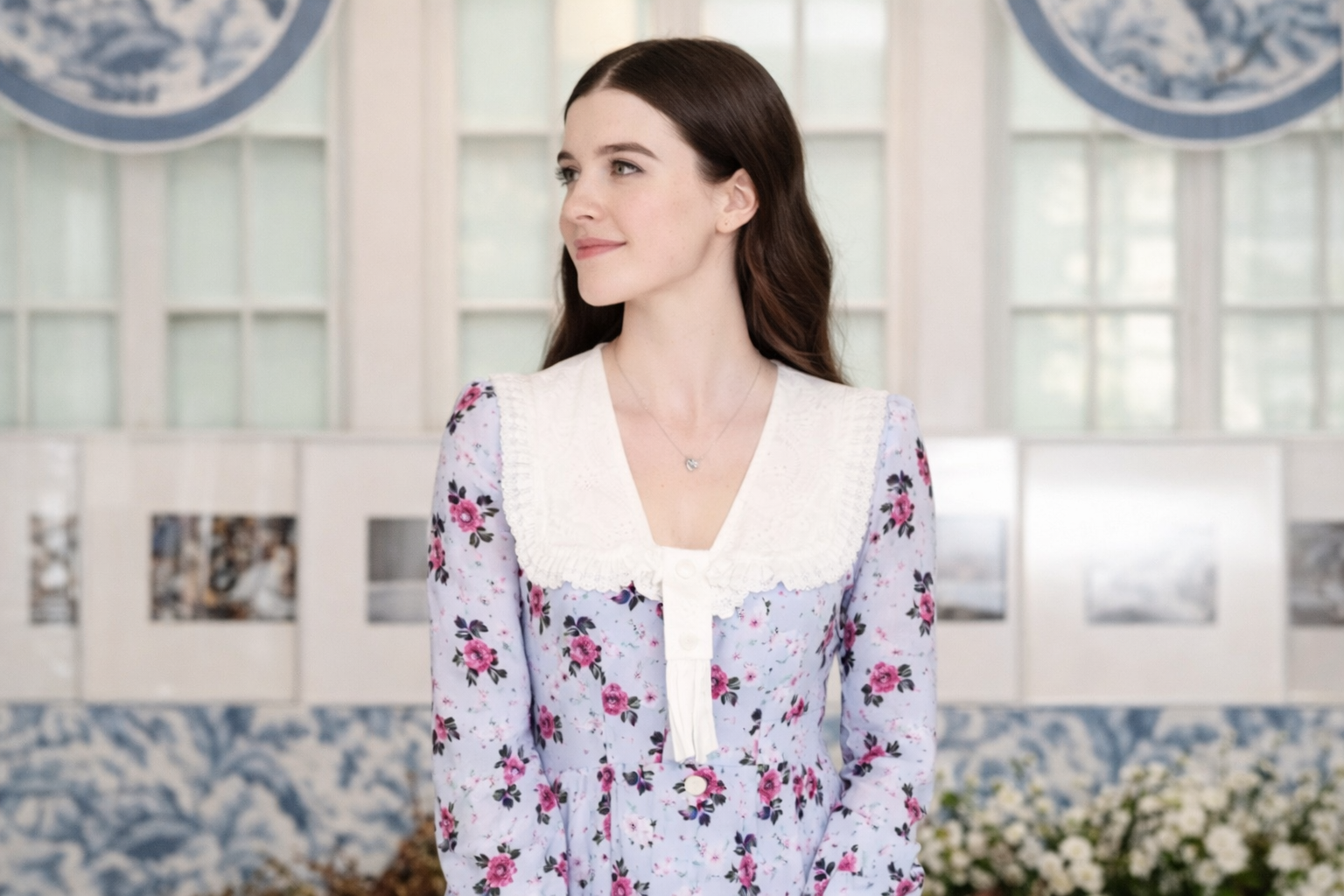
Nell Diamond did not set out to build a one-product brand. When she launched Hill House Home, the idea was broader and more layered than that. She wanted to create products that made everyday life feel a little more beautiful, a little softer, and a lot more inviting. In the early days, that vision showed up through home goods and bedding. But over time, one product ended up changing the trajectory of the company in a much bigger way.
That product was the Nap Dress.
What made the Nap Dress stand out was not just its look. It arrived with the right mix of timing, comfort, identity, and brand storytelling. It felt easy without looking lazy. It felt feminine without feeling stiff. It gave shoppers something they could wear at home, on a walk, at brunch, or even to dinner, and that flexibility gave it a life far beyond a passing trend.
The rise of Hill House Home is a good example of how strong product instinct can reshape a business. It also shows how Nell Diamond turned a clear point of view into something customers wanted to wear, post about, collect, and talk about.
Who Is Nell Diamond and What Is Hill House Home
Nell Diamond is the founder and CEO of Hill House Home, a direct-to-consumer lifestyle brand that blends comfort, polish, and a distinct romantic aesthetic. Before the brand became widely associated with dresses, it was known for elevated home essentials. That original focus matters because it explains why Hill House Home never felt like a fashion company chasing trends at random. The brand already had a strong visual world, a recognizable tone, and a clear sense of what it wanted everyday life to feel like.
From the beginning, Hill House Home leaned into the idea that ordinary routines could still feel special. That gave the company a softer, more emotional identity than many other young consumer brands. It was not just about buying a product. It was about buying into a mood and a lifestyle.
That foundation helped later when the brand moved more visibly into apparel. Customers already understood the aesthetic. They already knew what Hill House Home represented. So when a signature dress came along, it did not feel like a strange pivot. It felt like the next logical step.
The Gap in the Market Nell Diamond Saw Early
A big part of Nell Diamond’s success came from spotting a space that was hiding in plain sight. For years, shoppers had to choose between clothes that were comfortable and clothes that looked presentable. Loungewear could feel sloppy. Traditional dresses could feel restrictive. Sleepwear was not designed for real life outside the house.
That left room for something in the middle.
The Nap Dress answered a very modern question. What do people want to wear when they want to feel relaxed but still look like themselves? That sounds simple, but it turned out to be a powerful product insight. It connected with women who wanted practicality without giving up style.
The category was especially ripe for disruption because fashion had already been moving toward softer silhouettes, more forgiving fits, and pieces that worked across multiple settings. Consumers were also becoming more drawn to brands that felt personal and aesthetically consistent. Hill House Home was well positioned for that shift because it was already selling a full lifestyle idea, not just individual items.
How the Nap Dress Was Created
The genius of the Nap Dress was in how approachable it felt. It was not built like a runway concept that needed a lot of explanation. It was easy to understand right away. A dress soft enough to relax in, pretty enough to wear out, and flattering enough to make people feel good in their own skin.
Its design language helped too. Smocking, puff sleeves, soft cotton, romantic prints, and airy silhouettes gave the dress a recognizable identity. It nodded to vintage nightgowns and old-world femininity, but it still felt current. It looked delicate, yet it fit into modern routines.
Just as important, the name did a lot of work. Nap Dress was memorable, playful, and instantly descriptive. It made people curious. It also gave the product a stronger identity than a generic dress name ever could.
That mix of clear design and clear branding is part of why the product hit so hard. Nell Diamond did not just create a dress. She created a category cue people could remember and repeat.
Why the Nap Dress Took Off at Exactly the Right Time
Timing played a massive role in the rise of Hill House Home. The Nap Dress launched before the full force of pandemic-era lifestyle changes, but it became a breakout hit when daily routines changed almost overnight.
Suddenly, millions of people were spending more time at home, rethinking what counted as everyday clothing, and looking for pieces that felt comforting without making them feel like they had given up. The old distinction between indoor clothes and outdoor clothes started to blur.
That environment made the Nap Dress feel almost custom-built for the moment. It was soft enough for home, polished enough for a video call, and stylish enough for the small forms of social life that still existed. It also photographed well, which mattered a lot in an online shopping and social media driven environment.
Plenty of products benefited from timing during that period, but not all of them lasted. The reason the Nap Dress stayed relevant was that it was not only a pandemic product. It simply became more visible during a moment when its value was unusually obvious.
What Made the Nap Dress More Than Just a Trend
A lot of viral products burn bright and disappear. The Nap Dress held on longer because it had more going for it than novelty.
First, it offered a real solution. It made dressing easier. It reduced the tradeoff between comfort and style. It worked for different body types and different parts of the day. In a market full of pieces that looked good in theory but failed in real life, that mattered.
Second, it had a recognizable silhouette. The Ellie Nap Dress in particular became one of the brand’s most familiar shapes, helping Hill House Home build visual consistency. When a product becomes recognizable from a quick glance, it starts to feel like a signature instead of just another SKU.
Third, the brand kept the product fresh through color, fabric, print, and seasonal variation. New drops gave customers a reason to come back, while the core identity stayed intact. That balance between familiarity and novelty helped turn one-time buyers into repeat customers.
Most importantly, the dress became part of how customers expressed taste. It was not only comfortable. It signaled something about the person wearing it. It reflected a certain softness, a certain femininity, and a certain ease that many shoppers found appealing.
That is usually when a product stops being a product and starts becoming a phenomenon.
How Nell Diamond Built a Brand Around Community
One reason Hill House Home grew so quickly was that Nell Diamond understood that product alone was not enough. She helped build a community around the brand, and that community gave the Nap Dress cultural momentum.
The phrase Nap Dress Nation captured that energy well. It suggested that customers were not just buying clothes. They were joining a shared identity. That matters more than it may seem. In crowded markets, people often choose the brands that make them feel connected, seen, or included.
Social media amplified this effect. Customers posted their dresses, shared launch excitement, and treated drops like events. The brand’s online presence felt personal rather than distant, and Nell Diamond’s own visibility played a role in that. She was not hidden behind the company. Her taste, voice, and point of view were clearly part of the brand story.
That kind of founder presence can be powerful when it feels natural. In this case, it helped make Hill House Home feel like a living brand with a distinct personality rather than a faceless ecommerce business.
Celebrity Attention, Collaborations, and Cultural Buzz
As the Nap Dress gained traction, broader cultural attention followed. Press coverage, celebrity wearers, and online chatter all helped push the product beyond its initial audience.
This stage matters because it is where a successful product can either become overexposed or move into a stronger brand position. Hill House Home managed that moment well by staying consistent with its aesthetic instead of chasing every possible trend.
Collaborations also helped keep the brand visible in fresh ways. Rather than abandoning its identity, the company used partnerships and themed collections to deepen the fantasy around the brand. That gave loyal customers more reasons to stay engaged and gave new customers easy entry points into the Hill House Home world.
The result was that the Nap Dress became more than a product people recognized. It became part of a broader conversation around style, comfort, and modern femininity.
How Hill House Home Grew Beyond One Viral Product
One of the hardest things for any founder is turning a breakout item into a long-term business. Viral success can be helpful, but it can also trap a company if customers only know it for one thing.
Nell Diamond seems to have understood that challenge early. Rather than walking away from the Nap Dress, she used it as a doorway into a larger brand. Hill House Home expanded with more silhouettes, more categories, more seasonal storytelling, and a broader fashion footprint.
That strategy matters because it protects the company from becoming too narrow. A hero product can attract attention, but a brand needs depth to last. By building around the emotional and aesthetic appeal that made the Nap Dress successful in the first place, Hill House Home created more room to grow.
The company’s growth story also includes bigger business milestones, including outside funding, international expansion, and physical retail presence. Those moves suggest that the brand is not simply living off an old viral moment. It is trying to build a more durable lifestyle business with multiple ways to reach customers.
What Other Founders Can Learn From Nell Diamond and Hill House Home
There are several useful lessons in the rise of Nell Diamond and Hill House Home.
The first is that good product-market fit often looks obvious in hindsight but rarely feels obvious at the beginning. The Nap Dress worked because it sat at the intersection of real consumer behavior, strong design instinct, and smart brand language.
The second is that aesthetics matter, but they work best when they solve something practical. People did not embrace the Nap Dress only because it was pretty. They embraced it because it fit their lives.
The third is that founder-led brands can build loyalty faster when the founder’s point of view is clear and consistent. Nell Diamond helped make Hill House Home feel personal, and that personal layer gave the brand extra depth.
The fourth is that community can extend the life of a product. When people feel emotionally attached to a brand, they keep talking about it long after the initial launch.
And finally, one standout product can become the engine for something larger if the business knows how to expand without losing its identity. That is what makes the Hill House Home story worth paying attention to. It is not just about a dress that went viral. It is about how Nell Diamond turned a highly specific product into the foundation of a bigger brand success story.