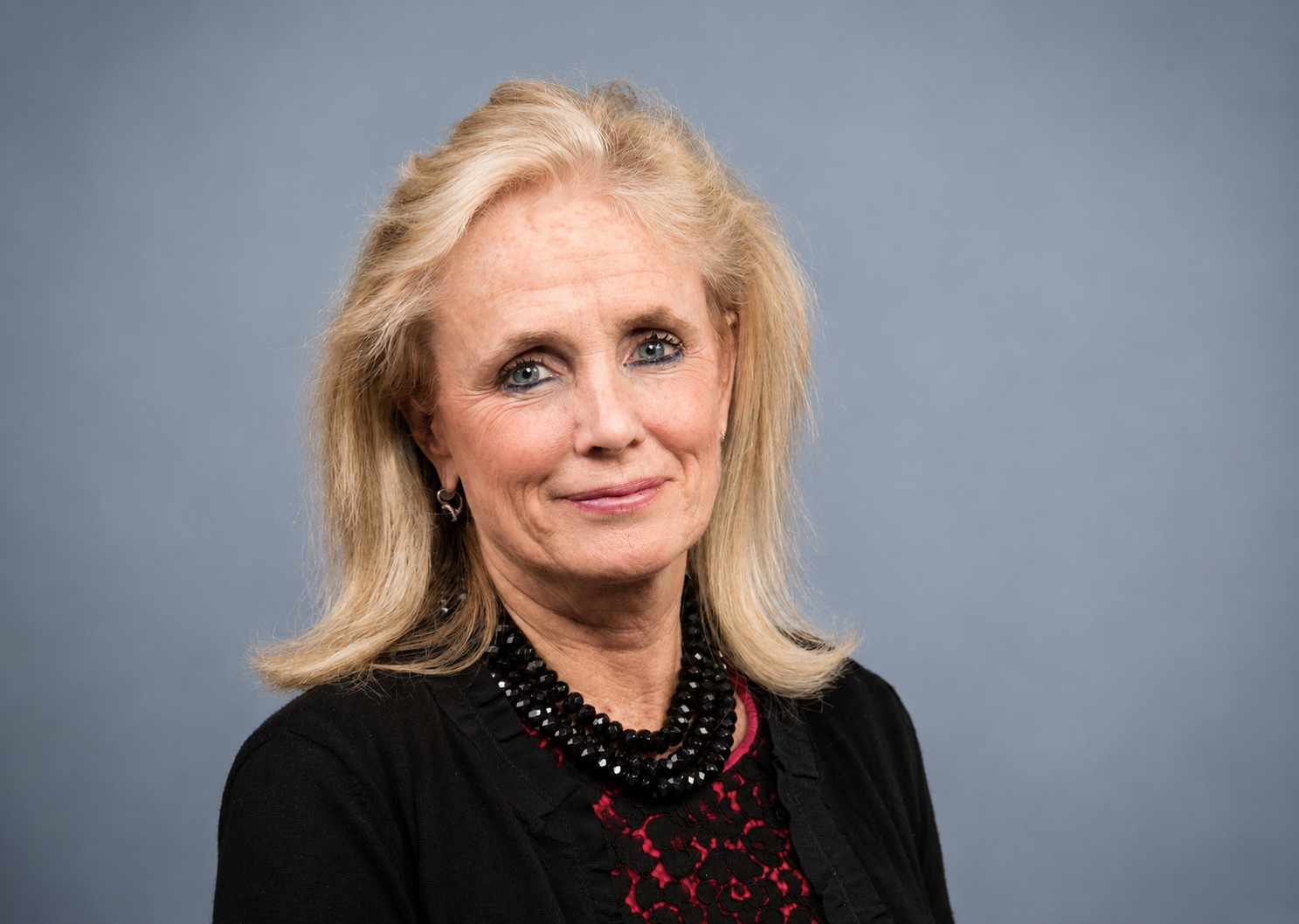
Sarah Moret did not build Curie by chasing a trend and hoping it stuck. She built it because she had a personal problem, could not find a product that solved it, and decided to make one herself.
That simple starting point gave the brand something many personal care companies never quite achieve: a clear reason to exist. Before Curie became a recognizable clean body care name, it started as a side hustle powered by Sarah’s own savings, a lot of trial and error, and a strong point of view about what modern personal care should feel like.
Her story stands out because it is not just about launching another deodorant. It is about finding product market fit in a crowded category, building a brand that feels fresh and modern, and turning a small self-funded idea into a business that reached national retail shelves. From early formulation work to Shark Tank, and from direct-to-consumer traction to expansion into stores like Walmart and Target, Sarah Moret built Curie with a mix of practicality, instinct, and patience.
Sarah Moret Saw a Real Gap in the Personal Care Market
Like many strong consumer brands, Curie began with frustration. Sarah Moret wanted a natural deodorant that could keep up with an active, busy life. She was health conscious, deeply interested in wellness, and more aware of the ingredients in the products she used every day. But the natural deodorants she tried were not delivering where it mattered most. They either did not work well enough, did not smell good enough, or felt too niche to fit into everyday life.
That gap mattered because a lot of consumers were asking the same question at the time. They wanted cleaner products, but they did not want to sacrifice performance. In personal care, that tradeoff had become frustratingly common. Products were often positioned as either effective or clean, but rarely both.
Sarah recognized that this was more than a personal annoyance. It was a business opportunity. Instead of waiting for an existing brand to get it right, she decided to build something herself.
Curie Started as a Side Hustle With a Clear Product Vision
When Sarah Moret launched Curie in 2018, she did not come into the market with a huge budget or a giant team. She started the company with about $12,000 from her own savings. At the time, she was working in venture capital and building the brand on the side, which meant the business grew in a very grounded way.
That side hustle phase shaped the company in important ways. It forced discipline. It also kept the brand close to the customer. Without endless funding to burn through, the product had to earn attention on its own merit.
Sarah also made a smart early decision by staying focused. Rather than launching a sprawling product line, Curie started with a hero product and a specific promise. The goal was not to be everything to everyone. The goal was to create an aluminum-free deodorant that actually worked, smelled elevated, and fit into modern routines.
That kind of clarity matters in consumer goods. Shoppers usually make up their minds quickly, especially in crowded categories. Curie had a clean message from the start, and that helped the brand cut through noise.
Why Curie Connected With Modern Consumers
One reason Curie gained traction is that it understood the customer beyond the product itself. This was not only about ingredients. It was also about identity, lifestyle, and trust.
A lot of natural personal care brands used language and visuals that felt either overly clinical or overly earthy. Curie landed somewhere more balanced. It felt polished without becoming cold. It felt clean without becoming preachy. It felt premium without seeming unreachable.
That positioning helped the brand speak to a broad audience. People looking for aluminum-free deodorant wanted performance, but they also wanted something that looked good on their bathroom shelf, smelled refined, and felt like it belonged in a modern wellness routine.
Curie did a strong job of meeting all of those expectations at once. The product was easy to understand, the branding was approachable, and the message was consistent. It offered clean ingredients, everyday usefulness, and a more elevated take on body care.
Sarah Moret Built a Brand That Felt Fresh and Relatable
Branding played a big role in Curie’s growth. Sarah Moret did not build the company around fear-based messaging or rigid wellness language. Instead, she created a brand that felt confident, simple, and relevant to real life.
That matters more than it may seem. In beauty and personal care, consumers are not just buying function. They are also buying the feeling around the product. Scent, packaging, tone, and brand personality all influence whether someone comes back for a second purchase.
Curie leaned into that emotional side of the category without losing sight of utility. The scents felt more sophisticated than what people often expected from natural deodorant. The look of the brand was bright and modern. The overall feel was less about compromise and more about upgrade.
That shift was important. Instead of presenting clean personal care as something people had to settle for, Curie presented it as something people could genuinely prefer.
Shark Tank Put Curie in Front of a Much Bigger Audience
For many newer brands, national attention can change the pace of growth overnight. That is exactly what happened when Sarah Moret brought Curie to Shark Tank.
Her appearance on the show gave the brand exposure that would have been difficult and expensive to create through traditional marketing alone. More importantly, she did not just get airtime. She landed a deal with Mark Cuban and Barbara Corcoran, who agreed to invest $300,000 for 14 percent equity.
That moment gave Curie more than credibility. It gave the brand momentum. After the episode aired in 2022, the company saw a wave of orders, sold out quickly, and attracted a much larger audience than before. The so-called Shark Tank effect is real, but it only lasts if the product and brand are ready for it. In Curie’s case, the business had already built enough foundation to convert attention into actual demand.
This is one of the clearest signs that Sarah Moret had built the business thoughtfully before the television spotlight arrived. Shark Tank amplified the story, but it did not create the story from scratch.
Retail Expansion Helped Curie Become a National Body Care Brand
Direct-to-consumer growth can help a brand prove demand, but retail expansion is often what turns that demand into wider cultural presence. That next phase mattered a lot for Curie.
Once the brand moved into major retail channels, it became easier for shoppers to discover it in their normal routines instead of only through social media, word of mouth, or online search. Curie expanded into national retail, including Walmart, and later reached Target as well. That kind of shelf presence changes how a brand is perceived.
Retail does not just increase access. It also acts as validation. When consumers see a product carried by major chains, it signals scale, trust, and staying power. For a founder-led personal care company, that can be a major turning point.
For Sarah Moret, this phase showed that Curie was no longer just a promising startup. It had become a real contender in the body care category.
Curie Grew Beyond Deodorant Without Losing Its Identity
A lot of founder-led brands struggle when they expand beyond their first successful product. They either move too fast, launch too much, or lose the clarity that made people care in the first place.
Curie handled that transition more carefully. Over time, the company broadened its range into body care products beyond deodorant, including items like body wash, a whole-body deodorant spray, and other related essentials.
That kind of expansion made sense because it stayed close to the original brand promise. Curie was never really only about deodorant. It was about making body care feel cleaner, better, and more enjoyable for daily life.
By staying connected to that core idea, the brand could grow without feeling scattered. Customers who trusted the deodorant were more likely to try other products, which helped increase repeat purchases and deepen loyalty.
This is one of the smartest parts of Sarah Moret’s strategy. She did not stretch the brand into random categories. She expanded in ways that felt natural and believable.
What Sarah Moret Did Right as a Founder
There are a few reasons Sarah Moret succeeded where many consumer founders struggle.
First, she started with a real problem that she understood firsthand. That gave the brand authenticity and focus.
Second, she paid attention to the full customer experience, not just the formula. Product performance mattered, but so did scent, packaging, positioning, and tone.
Third, she kept the brand approachable. Curie never felt like it was talking down to customers or forcing them into a wellness identity. It made the clean personal care space feel easier to enter.
Fourth, she used visibility well. Shark Tank opened a huge door, but the company was able to make the most of that exposure because the foundation was already there.
Fifth, she expanded with restraint. Instead of chasing fast growth in every direction, she built step by step. That kind of pacing often looks less flashy in the short term, but it tends to create stronger brands over time.
How Curie Earned Attention in a Crowded Category
The clean beauty and personal care market is full of brands competing for attention. Some win on ingredient claims. Some win on aesthetics. Some win on celebrity backing or retail placement. Very few manage to bring several of those strengths together in a way that feels natural.
Curie found a lane by balancing function and brand appeal. It offered clean ingredients and effective formulas, but it also built a brand that looked and felt contemporary. That gave it an edge with consumers who wanted more than basic utility from personal care products.
Timing also helped. Consumer interest in cleaner, more transparent products was already growing, but many shoppers were becoming more selective. They wanted products that fit their values without creating extra friction in daily life. Curie met that moment well.
Instead of trying to dominate with hype alone, the brand earned attention by being relevant, easy to understand, and pleasant to use. That may sound simple, but in a crowded market, simple done well can be a serious advantage.
Sarah Moret and Curie Represent a Modern Founder Success Story
What makes Sarah Moret and Curie especially interesting is how modern the growth story feels. This is not a legacy beauty brand built through traditional advertising and department store counters. It is a founder-led company that grew through clarity, direct customer connection, smart branding, national exposure, and retail expansion.
It also reflects a bigger shift in how consumer brands are built now. People want more from personal care. They want clean ingredients, but they also want strong performance, emotional connection, and convenience. Brands that understand all of that have a better chance of lasting.
Curie succeeded because it was built around that reality from the beginning. Sarah Moret did not simply create a deodorant company. She built a body care brand with a clear identity and gave customers a reason to choose it again and again.
From a side hustle funded with personal savings to a business that reached national retailers, her path shows what can happen when a founder pairs a genuine need with disciplined execution. That is what turned Curie from a small startup into a national body care brand people recognize.