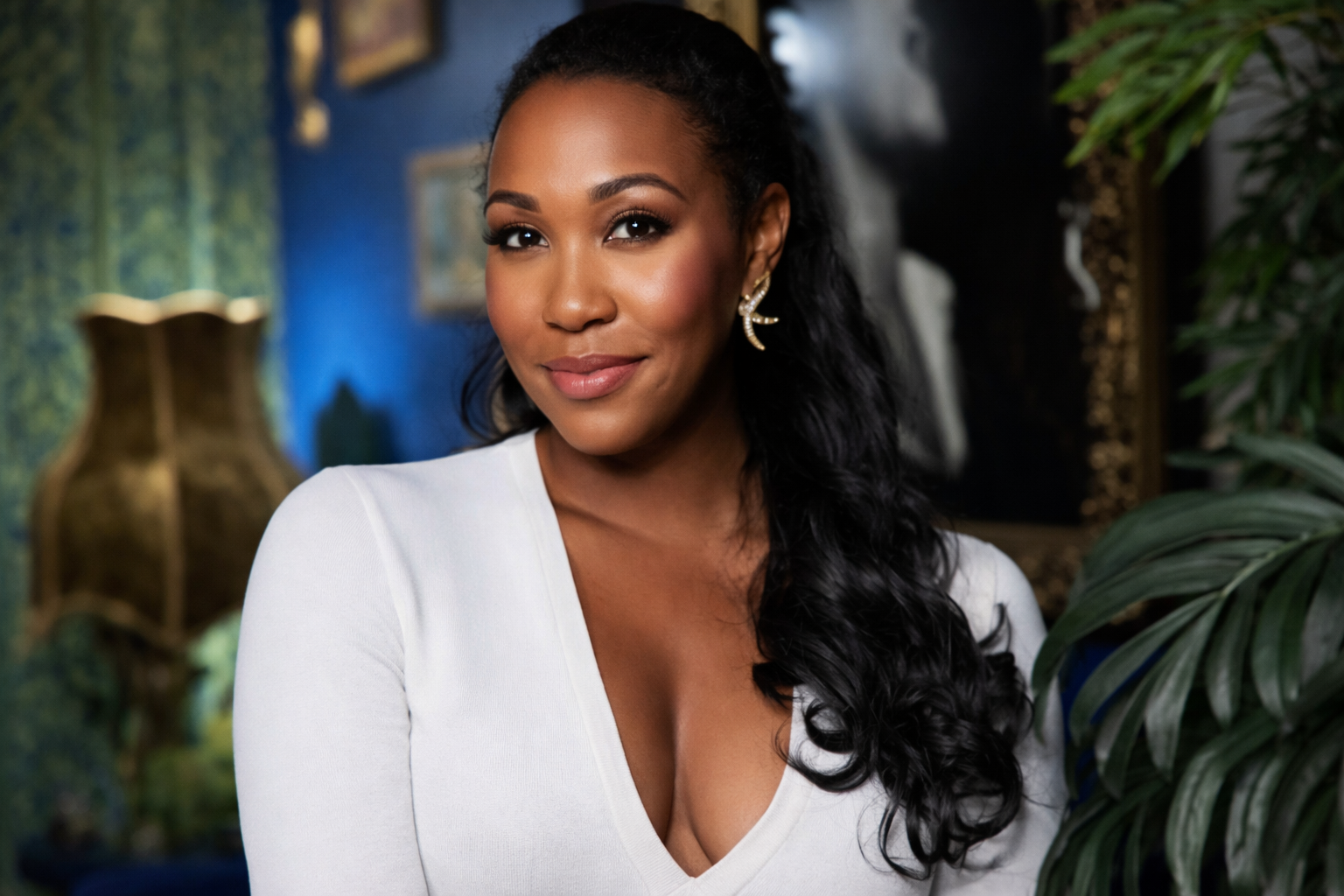
Some brands enter the market with a clever product and a polished logo. Others grow because they carry a point of view people can actually feel. That is a big part of what makes Teri Johnson and Harlem Candle Co worth writing about. The brand did not rise by trying to look like every other luxury candle company on the shelf. It grew by being specific, memorable, and deeply connected to a place with real cultural weight.
What started in a kitchen became a nationally recognized luxury home fragrance brand with a clear identity. That shift did not happen by accident. It came from Johnson’s ability to turn fragrance into storytelling, turn Harlem’s history into brand language, and turn a small handmade product into something that felt premium, giftable, and meaningful.
The Early Idea Behind Harlem Candle Co
Before Harlem Candle Co became known as a premium fragrance brand, it began in a much smaller and more personal way. Teri Johnson started making candles in her kitchen, originally as an affordable and thoughtful gift idea. Like a lot of strong founder stories, the business did not begin with a huge launch plan or a big round of funding. It began with taste, instinct, and a real love for scent.
That early stage matters because it shaped the company’s voice. This was never a brand built around mass production first. It came from a hands-on process and a founder who already understood how fragrance could create mood, memory, and emotional connection. Johnson had long been drawn to perfume, candles, travel, and the way scent can bring a place or experience back to life. When that personal interest met a business opportunity, the brand started to take shape.
The kitchen startup angle is more than a nice detail. It reminds readers that many lasting businesses start from a simple act of making something well. In Johnson’s case, that small beginning gave the brand authenticity from day one.
Why Teri Johnson Built the Brand Around Harlem
One of the smartest things Teri Johnson did was avoid building a generic candle company. Instead of creating a brand that could belong anywhere, she built one that could only come from Harlem. That decision gave Harlem Candle Co a strong identity from the start.
Harlem is not just a neighborhood name attached to a product. It carries history, artistry, style, music, literature, and cultural influence. By making Harlem central to the brand, Johnson gave the company a foundation that felt richer than standard lifestyle marketing. Customers were not only buying a candle. They were stepping into a world shaped by mood, memory, and place.
That sense of place helped the brand stand out in the crowded luxury candle and home scent market. A lot of fragrance brands talk about elegance, calm, or beauty. Fewer can connect those ideas to something culturally grounded. Johnson did that by making Harlem part of the experience rather than just a backdrop.
How the Harlem Renaissance Shaped the Brand’s Identity
The influence of the Harlem Renaissance gave the brand even more depth. This was one of the clearest ways Johnson separated Harlem Candle Co from competitors. The company’s collections, product names, and overall atmosphere draw from the art, music, literature, and glamour tied to that era.
That inspiration matters because it gave the brand a built-in narrative. The candles did not feel random. They felt curated. They felt like they belonged to a larger creative universe. References connected to figures such as Josephine Baker, Langston Hughes, and James Baldwin helped position the brand as more than a home decor label. It became a brand built on cultural storytelling.
This kind of identity is hard to fake. When a founder truly understands the references behind a brand, the products feel more layered and more honest. That is part of what made Johnson’s approach work. She was not borrowing a trend. She was building from genuine interests in jazz, history, Black culture, and fragrance.
For readers, this section of the story also explains why the brand has lasting appeal. A customer might first notice the candle for the packaging or scent notes, but the deeper brand story gives them another reason to remember it.
What Made Harlem Candle Co Stand Out in a Crowded Market
The candle business is full of brands competing for attention. Some lean heavily on wellness. Others focus on minimalism, seasonal trends, or luxury packaging alone. Harlem Candle Co found a more distinct path by combining premium design with a clear emotional and cultural identity.
That balance is what helped the company rise. The products looked elevated enough to sit comfortably in the premium candle market, but they also carried a story that gave them texture. The brand did not rely on scent alone. It offered atmosphere, heritage, and a strong visual identity.
This is where Johnson’s business instincts show up clearly. She understood that people buying luxury home decor and scented candles are often responding to more than function. They are buying mood. They are buying a feeling they want in their space. They are buying a product that says something about their taste. Harlem Candle Co delivered that, but with a more memorable angle than many brands in the category.
In practical terms, the company stood out because it felt polished, specific, and emotionally resonant. That is a powerful mix in any consumer business.
How Teri Johnson Turned Storytelling Into a Growth Strategy
Storytelling gets mentioned so often in business that it can start to sound vague. In Johnson’s case, it was concrete. The storytelling was in the brand name, the inspiration behind the scents, the product descriptions, the design language, and the larger mood the company created.
That mattered for growth because stories give customers something to attach to. A candle can smell beautiful, but when it is tied to a place, an era, or a figure with cultural meaning, it becomes easier to remember and easier to talk about. That kind of word-of-mouth value is hard to buy with advertising alone.
Johnson turned product storytelling into a real business advantage. She built a brand where each collection felt like part of a larger narrative. That helped Harlem Candle Co create a deeper customer connection than brands that sell scent without identity.
This is also why the company worked well as a gift brand. People often look for products that feel personal and elevated at the same time. Harlem Candle Co gave them that. The candles felt thoughtful because they carried a story, not just a fragrance profile.
The Role of Product Design and Brand Presentation
A strong story can open the door, but presentation helps close the sale. Johnson understood that if Harlem Candle Co wanted to be taken seriously as a modern luxury brand, the look and feel of the products had to match the story behind them.
That meant the packaging, vessel design, naming, and brand presentation all had to feel refined. In the gift and home fragrance market, aesthetics matter. People often display candles openly in their homes. They want something that looks beautiful on a shelf, table, or nightstand. They also want it to feel worthy of the price.
Harlem Candle Co did this well by creating products that felt elegant without losing personality. The brand presentation supported the company’s premium positioning and made it easier to fit into upscale retail environments, design-conscious homes, and curated gift selections.
This attention to presentation also made the company easier to remember. In a crowded digital marketplace, visual identity matters just as much as a good product. Johnson’s ability to pair fragrance and storytelling with polished design helped move the brand beyond handmade beginnings into a wider commercial space.
Major Milestones That Helped Harlem Candle Co Reach a Wider Audience
Growth becomes more visible when a brand starts reaching beyond its original circle. For Harlem Candle Co, that wider recognition came through a mix of media exposure, retail reach, and public validation.
One of the biggest moments in the brand’s rise was the inclusion of its Purple Love candle in Oprah’s Favorite Things 2023. That kind of recognition matters because it introduces a founder-led brand to a much larger audience while also signaling credibility. For many small businesses, a feature like that can serve as a turning point.
The company’s broader evolution also reflects a bigger shift from niche success to national awareness. Over time, the brand became associated not only with beautiful candles, but with a distinct founder story and a recognizable brand world. Partnerships and high-visibility placements helped reinforce the idea that Harlem Candle Co belonged in conversations about standout Black-owned business success stories and premium consumer brands.
These milestones did not replace the brand’s original identity. They amplified it. That is an important part of Johnson’s success. As the audience grew, the core message stayed intact.
How Teri Johnson Balanced Creativity With Business Growth
One of the hardest parts of growing a founder-led business is keeping the original spark alive while making the company bigger. That tension shows up in almost every creative brand. Scale can easily flatten personality if a founder is not careful.
Johnson seems to have handled that challenge by staying close to the brand’s core strengths. Harlem Candle Co did not need to become everything for everyone. It needed to keep doing a few things especially well: create a strong scent experience, maintain premium presentation, and keep the Harlem-centered identity clear.
That focus likely helped the company grow without drifting into a generic lifestyle brand. It also shows business discipline. Real growth does not always come from chasing every trend. Sometimes it comes from staying recognizable while expanding carefully.
This part of the story matters for other entrepreneurs because it shows the value of consistency. Johnson built a brand that had room to grow because the foundation was strong. The vision was clear early on, and that clarity made expansion easier.
What Other Founders Can Learn From Teri Johnson and Harlem Candle Co
There are several useful lessons in the rise of Teri Johnson and Harlem Candle Co. The first is that specificity can be a competitive advantage. Brands are easier to remember when they know exactly who they are. Johnson did not build a candle company with a vague luxury message. She built a brand with a distinct world around it.
The second lesson is that starting small does not weaken the story. In many cases, it strengthens it. The image of a founder making candles in her kitchen says something important about resourcefulness, taste, and belief in the product.
The third lesson is that cultural storytelling can be a real business asset when it is done with depth and honesty. Johnson used heritage-inspired branding in a way that felt connected to real influences rather than surface-level marketing.
Another lesson is that product quality and brand meaning work best together. A story may attract attention, but the product and presentation have to support it. Harlem Candle Co managed both sides. It offered a memorable identity and a premium consumer experience.
Finally, Johnson’s path shows that authentic branding often lasts longer than trend chasing. The company grew because it had a clear point of view, not because it copied whatever was popular at the moment. That is one of the most useful takeaways any founder can apply.