Heart care does not end when a patient leaves the hospital. For many people recovering from a cardiac event, the most uncertain part begins at home, where symptoms can change quickly, follow-up appointments may be weeks away, and small warning signs can be easy to miss.
That is the problem Nolan Abeyta is working on through Miraka, a healthcare startup focused on bringing cardiac care closer to where patients actually live. Instead of treating the home as a blind spot after discharge, Miraka is building around continuous health data, clinician-led support, and real-time risk models that can help care teams spot problems before they turn into emergencies.
The company sits at the intersection of AI healthcare, remote cardiac monitoring, wearable health data, and home-based care. But what makes the story more interesting is that Miraka is not framed as a tool that replaces doctors. Its model is built around supporting clinicians, helping hospitals stay connected to patients, and giving cardiac patients a stronger layer of care outside the hospital.
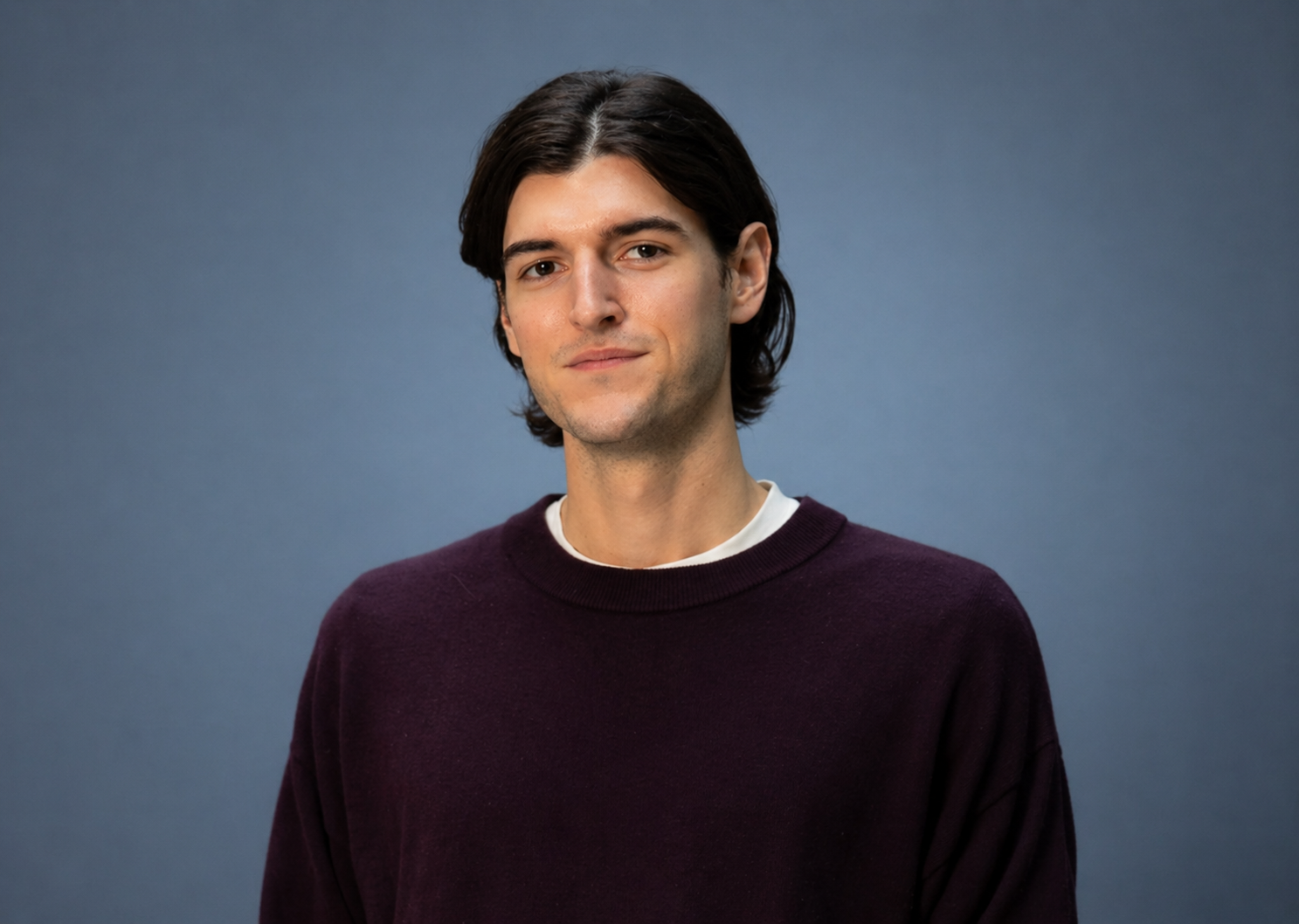
Who Is Nolan Abeyta
Nolan Abeyta is the CEO and co-founder of Miraka, a startup focused on improving cardiac care beyond the hospital setting. His work reflects a growing shift in healthcare, where founders are looking at what happens between formal medical visits, not just what happens inside clinics and hospitals.
Abeyta’s public founder profile connects him to Princeton University, where he studied economics, and to the Princeton Keller Center entrepreneurship ecosystem through the earlier startup project Overwatch Health. That earlier work focused on remote cardiac rehabilitation and medically monitored care supported by integrated wearables.
With Miraka, the idea appears to have grown into a broader approach to cardiac care at home. The focus is not only on tracking patients, but on helping clinical teams act earlier when a patient may be moving toward higher risk.
That is an important distinction. In healthcare, data is only useful when it leads to better decisions. Abeyta’s work with Miraka is centered on turning continuous patient signals into something practical for clinicians and meaningful for patients.
What Miraka Is Building
Miraka is building a model for live, clinician-led cardiac care that reaches patients at home. Public company profiles describe Miraka as a team using continuous health data and real-time risk models to care for cardiac patients outside the four walls of the hospital.
In simple terms, Miraka is trying to close the gap between hospital discharge and the next point of care. Many cardiac patients need support after they return home, but traditional care systems often depend on scheduled appointments, patient self-reporting, or emergency symptoms that have already become serious.
Miraka’s approach is built around a different idea. If a patient’s health data can be monitored more consistently, and if clinicians can receive better risk signals, care can become more preventive instead of reactive.
That means Miraka is not just another digital health dashboard. Its value depends on combining remote patient monitoring, clinical oversight, wearable data, and care coordination into a system that helps real healthcare teams make better decisions.
Why Cardiac Care Needs a New Model
Cardiac care is one of the most important areas of modern medicine, but it also exposes one of the biggest weaknesses in the healthcare system. A patient can receive excellent treatment in the hospital, then go home and suddenly have far less support during a vulnerable recovery period.
That gap matters. Heart patients may be dealing with medication changes, lifestyle adjustments, physical recovery, anxiety, new symptoms, and the fear of another event. Hospitals also face pressure to reduce avoidable readmissions while managing busy care teams and limited clinical capacity.
Traditional follow-up care often works on a schedule. The patient comes back in a few days, a few weeks, or whenever a problem becomes serious enough to require urgent attention. But cardiac risk does not always follow that schedule. A patient’s condition can shift between appointments.
This is where home-based cardiac care becomes more important. By bringing monitoring and clinician-led support into the home, companies like Miraka are trying to make care feel less disconnected. The goal is not to flood doctors with more data. The goal is to make the right data easier to understand and act on.
How Nolan Abeyta Is Using AI Without Replacing Clinicians
One of the strongest parts of Miraka’s positioning is that it uses AI as support for clinical care, not as a replacement for it.
In healthcare, that balance matters. Patients do not want to feel like they are being handed off to an algorithm. Clinicians do not need more noise in their workflow. Hospitals need tools that improve patient care without creating unnecessary complexity.
Miraka’s model appears to focus on using health records, wearable data, and real-time risk models to help identify when a cardiac patient may need attention. The AI layer helps organize signals and predict risk, but the care remains clinician-led.
That is a more realistic path for AI in healthcare. The best use cases are often not about replacing human judgment. They are about giving clinicians better visibility, helping them prioritize patients, and making earlier intervention possible.
For Nolan Abeyta, this is where Miraka’s work stands out. The company is not simply selling automation. It is building around a care model where technology supports medical teams and helps patients receive attention before their condition becomes more urgent.
Bringing Heart Care Outside the Four Walls of the Hospital
The phrase “outside the four walls of the hospital” captures the larger healthcare shift Miraka is part of. More care is moving into the home, especially for patients who need ongoing support but do not always need to be physically inside a medical facility.
For cardiac patients, this shift can be especially meaningful. The home is where recovery actually happens. It is where patients take medication, notice symptoms, build new routines, and try to regain confidence after a major health event.
A home-based cardiac care model can make that recovery period feel less isolated. Instead of waiting for the next appointment or reacting to an emergency, patients can be supported through continuous monitoring and a care team that has better insight into their condition.
For hospitals, the benefit is also clear. Better home monitoring can help care teams understand which patients may need outreach, which patients are stable, and which cases require faster attention. That kind of visibility can reduce blind spots in post-discharge care.
Miraka’s work fits into this future by treating cardiac care as something that should continue smoothly from hospital to home.
Miraka’s Early Momentum
Miraka has gained attention through its connection to a16z speedrun, the startup accelerator and early-stage program from Andreessen Horowitz. That kind of backing gives a young healthcare company more visibility, especially in a space where trust, clinical seriousness, and execution matter.
Public startup listings also describe Miraka as formerly Overwatch Health, which helps show the company’s development over time. Overwatch Health was associated with remote cardiac rehabilitation and integrated wearables. Miraka now appears to be building on that foundation with a broader always-on cardiac care model.
The company’s listed founding team includes Nolan Abeyta, Jesse Abeyta, and Kazuo Nakamura. Together, they are working on a problem that is both clinically important and operationally difficult: helping hospitals support cardiac patients after they leave the hospital.
That early momentum matters because healthcare is not an easy market for startups. Hospitals do not adopt new systems casually. A company has to show that its product can fit into real clinical workflows, support measurable outcomes, and earn the confidence of medical teams.
Miraka’s progress suggests that Nolan Abeyta is building in a serious category where success depends on more than a strong product idea. It depends on clinical trust, careful execution, and a clear understanding of how healthcare systems actually work.
From Overwatch Health to Miraka
The move from Overwatch Health to Miraka gives useful context for Nolan Abeyta’s founder journey. Overwatch Health was described through Princeton’s entrepreneurship ecosystem as a platform and wearables project for remote cardiac rehabilitation.
That earlier concept focused on a specific need: helping cardiac rehabilitation happen remotely while maintaining medical oversight. It reflected a practical healthcare challenge. Patients may need rehab and monitoring, but access, scheduling, and consistency can be difficult.
Miraka appears to carry that same patient-centered thinking forward, but with a stronger focus on always-on cardiac care, risk prediction, and support after discharge. The evolution shows a founder working deeper into the same problem space rather than jumping from one unrelated idea to another.
That matters in a success story. Strong healthcare startups often come from repeated exposure to a real problem. Abeyta’s work suggests a continued interest in cardiac patients, remote care, and the role of wearables in making care more connected.
Why Nolan Abeyta’s Work Stands Out
Nolan Abeyta’s work stands out because it focuses on a serious, human problem. Cardiac care is not just a technology category. It affects families, hospitals, clinicians, and patients who may be navigating some of the most stressful moments of their lives.
Miraka is built around a practical question: what if cardiac patients had better support after they went home?
That question opens the door to several important ideas. Care could become more continuous. Risk could be identified earlier. Hospitals could have better visibility into patient recovery. Clinicians could spend more time on the patients who need attention most. Patients could feel less alone during the recovery process.
The company also reflects a more mature view of AI in healthcare. Instead of making AI the headline for its own sake, Miraka uses it as part of a broader care model. The real value is not the algorithm alone. The value comes from the connection between data, clinicians, hospitals, and patients.
That is why this story works as more than a founder profile. It is also a window into where healthcare innovation is moving.
What Miraka Could Mean for the Future of Cardiac Care
If models like Miraka continue to grow, cardiac care could become less dependent on isolated appointments and more focused on continuous support. Patients recovering at home could be monitored with better context, while clinicians could use real-time insights to decide when intervention is needed.
This does not mean every part of heart care will move into the home. Hospitals, cardiologists, and in-person care will always remain essential. But the space between hospital visits can become much stronger.
That is where Miraka’s approach feels relevant. It is not trying to make care feel distant or fully automated. It is trying to make care more present, more responsive, and more connected to the daily reality of cardiac recovery.
For Nolan Abeyta, the opportunity is to build a company that helps healthcare systems catch risk earlier and support patients in a more practical way. In a world where hospitals are under pressure and patients need more personalized support, that mission gives Miraka a clear place in the future of cardiac care.