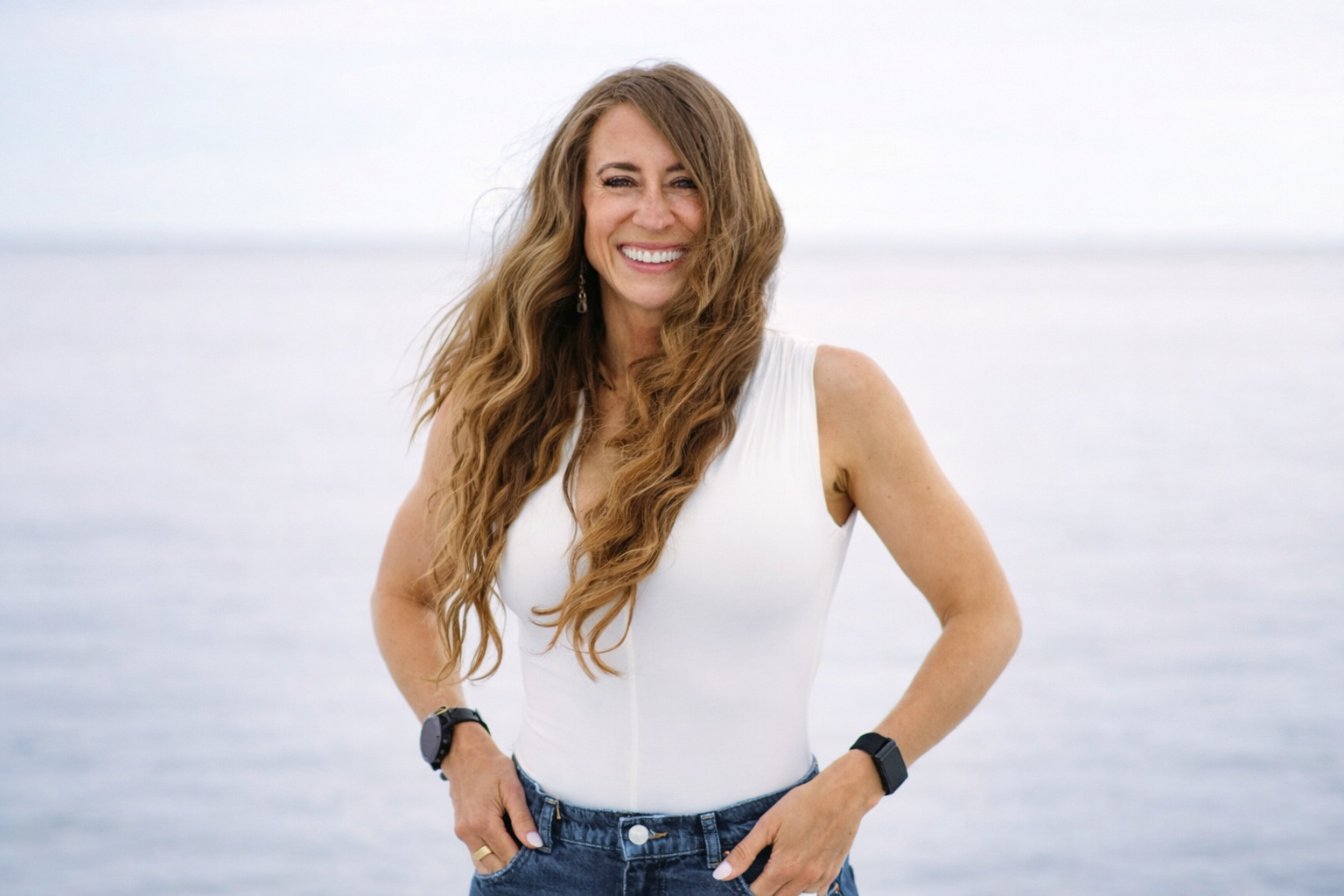
Not every wellness brand begins in a boardroom. Some start in a much more ordinary place, with one person trying to feel better and make sense of what is working and what is not. That is a big part of why the story of Melissa Urban and Whole30 still stands out. It did not begin as a glossy brand launch or a polished marketing campaign. It began as a personal experiment, and over time, that experiment grew into one of the most recognizable names in modern wellness.
What makes this story interesting is not just that Whole30 became popular. It is that Melissa Urban helped turn a simple 30 day framework into something much larger. For many people, the program became a way to rethink habits, notice patterns, and build a healthier relationship with food. That shift is a big reason Whole30 moved beyond being seen as just another nutrition trend. It became a larger conversation about behavior change, structure, accountability, and what food freedom can actually look like in real life.
The Personal Experiment That Started Whole30
The foundation of Whole30 goes back to 2009, when Melissa Urban helped create what was originally a 30 day self-experiment built around changing eating habits and paying close attention to how food affected the body. At the time, that simple format gave people something many wellness plans were missing. It gave them a clear starting point, a defined time frame, and a practical way to observe what happened when they removed certain foods and then reintroduced them thoughtfully.
That origin story matters because it made the brand feel real from the beginning. People were not looking at a company talking down to them from a distance. They were looking at a founder who had lived through the experiment herself and could explain it in direct, relatable language. That made Melissa Urban more than a business leader. It made her a trusted guide.
The structure of Whole30 also helped it spread. A lot of people feel overwhelmed when health advice becomes vague or overly complicated. The program offered a reset with defined rules, a clear timeline, and a reintroduction process that encouraged reflection. That made it easier for people to commit, easier to talk about, and easier to share with others.
Why Melissa Urban’s Message Connected So Quickly
One reason Melissa Urban connected with such a wide audience is that her message was never limited to calories, weight, or surface-level wellness language. Whole30 appealed to people who wanted clarity around cravings, energy, digestion, routines, and the emotional side of eating. Instead of presenting food as a simple math problem, the brand spoke to real life.
That approach mattered. Wellness audiences were already familiar with diet promises and quick fixes. What made Whole30 feel different was the emphasis on awareness. The program asked people to pay attention to how they felt, how they slept, how their habits showed up under stress, and how certain foods affected them over time. That made the experience feel personal instead of purely prescriptive.
Melissa’s communication style played a huge role here too. She built a voice that was honest, clear, and memorable. Even people who did not complete the program often remembered the brand because it felt confident and recognizable. Over time, that strong founder voice became one of the company’s biggest strengths. In a crowded wellness market, brands often blur together. Melissa Urban gave Whole30 a distinct personality.
Building Whole30 Into More Than a 30 Day Program
Plenty of wellness programs get attention for a season and then fade out. Whole30 managed to stay relevant because it gradually became about more than a single month of eating differently. The 30 day framework remained central, but the bigger message evolved into something broader and more lasting.
That broader message centered on habits and food freedom. For many people, the reset was only the starting point. The real value came from noticing long-term patterns, learning what foods worked best for their bodies, and creating a healthier rhythm after the program ended. That is where Melissa Urban helped shift the conversation. Instead of framing success as strict perfection, she increasingly framed it around awareness, intentional choices, and sustainable health habits.
This evolution helped the brand mature. A lot of short-term programs struggle because they only work as long as the rules are in place. Whole30 became more durable because it gave people a structure for the beginning and a philosophy for what came next. That made it feel less like a temporary challenge and more like a useful wellness tool.
Melissa Urban’s Role as the Voice Behind the Brand
It is hard to separate the rise of Whole30 from the role of Melissa Urban herself. She was not simply working behind the scenes while the brand spoke for itself. She became the public face of the company, and that gave the brand a much more human identity.
As co-founder, CEO, author, and speaker, Melissa expanded the meaning of her platform over time. She was able to speak not only about nutrition guidance and the Whole30 framework, but also about boundaries, self-respect, community, and habit change. That broader voice helped her stay relevant even as wellness conversations evolved.
This is part of what made her founder story so effective. People were not just following a program. They were following a person whose ideas kept growing. That kind of founder-led brand can create much stronger loyalty because the audience feels connected to a real perspective, not just a product.
Her presence also gave Whole30 continuity. As trends came and went, the brand still had a central figure who could explain changes, respond to criticism, and guide the community through new phases. That kind of leadership helped turn Whole30 into a lasting brand instead of a fleeting phenomenon.
How Books Helped Whole30 Reach a Bigger Audience
Publishing played a major role in the expansion of Whole30. Books gave the brand staying power in a way that short-form online content often cannot. They allowed Melissa Urban to organize the method, clarify the philosophy, and bring the program to a much wider audience.
That matters because a book does more than share information. It helps establish authority. When readers buy a book, work through it in their own kitchens, and recommend it to friends, the brand becomes part of a longer personal journey. It is no longer just content on a screen. It becomes a resource people keep, revisit, and trust.
Melissa’s success as a bestselling author also strengthened the authority behind Whole30. It reinforced the idea that this was not a one-off experiment that happened to go viral. It was a fully developed wellness brand with a strong point of view, a proven framework, and a growing body of work.
The Brand Evolution Behind The New Whole30
A big part of Melissa Urban’s success has been her willingness to let the brand evolve. That is especially clear in The New Whole30, which reflects a more updated and expansive version of the program. Rather than simply repeating the earlier formula, the newer version shows that the company was paying attention to how the wellness space and its own audience had changed.
This evolution matters because staying frozen in the original version of a wellness plan can make a brand feel outdated. By updating the rules, expanding the guidance, and including both the Original Whole30 and the Plant-Based Whole30, the brand opened the door to a wider range of people.
That move says a lot about how Melissa Urban thinks about growth. She did not build Whole30 by clinging to the exact same language forever. She built it by keeping the core promise intact while making the experience more flexible, more supportive, and more relevant to modern readers.
This is often where strong founders separate themselves from the rest. They know when to protect the brand’s identity, but they also know when adaptation is necessary. The New Whole30 showed that the brand was still moving forward instead of relying only on nostalgia.
What Made Whole30 Feel Like a Movement Instead of a Trend
The difference between a trend and a movement usually comes down to depth. Trends catch attention quickly, but they often stay shallow. Movements give people language, belonging, and a sense that they are part of something bigger. Whole30 managed to create that feeling.
One reason is community. The program was easy to discuss, easy to document, and easy for people to experience together. Friends started it together. Families did it together. Online communities shared struggles, wins, recipes, lessons, and reintroduction insights. That created momentum that felt bigger than any one person.
Another reason is identity. People were not just saying they were eating a certain way for 30 days. They were talking about resetting habits, learning discipline, understanding cravings, and working toward food freedom. That language gave the program emotional weight. It made the experience feel more meaningful than a simple meal plan.
That is where Melissa Urban deserves a lot of credit. She helped shape the message in a way that turned participation into something memorable. The result was a wellness brand that people talked about not just as a plan, but as a turning point in how they thought about food and daily routines.
How Melissa Urban Kept Whole30 Relevant in a Crowded Wellness Market
The wellness industry changes fast. New frameworks show up all the time, and many of them disappear just as quickly. The fact that Whole30 stayed visible for years is part of what makes its story worth studying.
A big reason for that relevance is consistency. Melissa Urban built a recognizable brand voice and kept reinforcing the same core ideas around habits, self-observation, reintroduction, and long-term change. Even when the language evolved, the foundation stayed familiar.
Another reason is expansion. Between books, articles, community education, partner programs, and updated resources, Whole30 did not rely on one channel alone. It became a broader ecosystem. That gave people multiple ways to interact with the brand, whether they were new to the program or coming back for another round.
Most importantly, Melissa kept the brand tied to a human story. That may sound simple, but it matters. People remember founder-led brands when the founder still feels present, invested, and willing to grow. Whole30 did not feel anonymous. It felt guided.
The Business Lesson Behind Melissa Urban and Whole30
There is a strong business lesson inside the rise of Melissa Urban and Whole30. The success did not come from building the flashiest brand in wellness. It came from building a clear idea, communicating it consistently, and giving people a practical framework they could actually use.
Melissa turned a personal experiment into a recognizable wellness brand by combining a relatable origin story, a structured system, a loyal community, and a founder voice people remembered. That combination is powerful. It creates trust, and trust is what allows a brand to grow far beyond its original format.
It also shows that growth does not always mean abandoning the original idea. Sometimes growth comes from deepening it. Whole30 still points back to the same basic promise that made people pay attention in the first place. The difference is that the brand now carries a bigger message about health habits, self-awareness, and building a more thoughtful relationship with food.That is what made Melissa Urban’s journey so compelling. She did not just launch a program. She built a movement around clarity, behavior change, and long-term wellness.