Most cleaning products still follow the same old formula. Put liquid in a plastic bottle, ship it across the country, use it up, then throw the bottle away and do it all over again. For years, that system felt so normal that most shoppers barely questioned it.
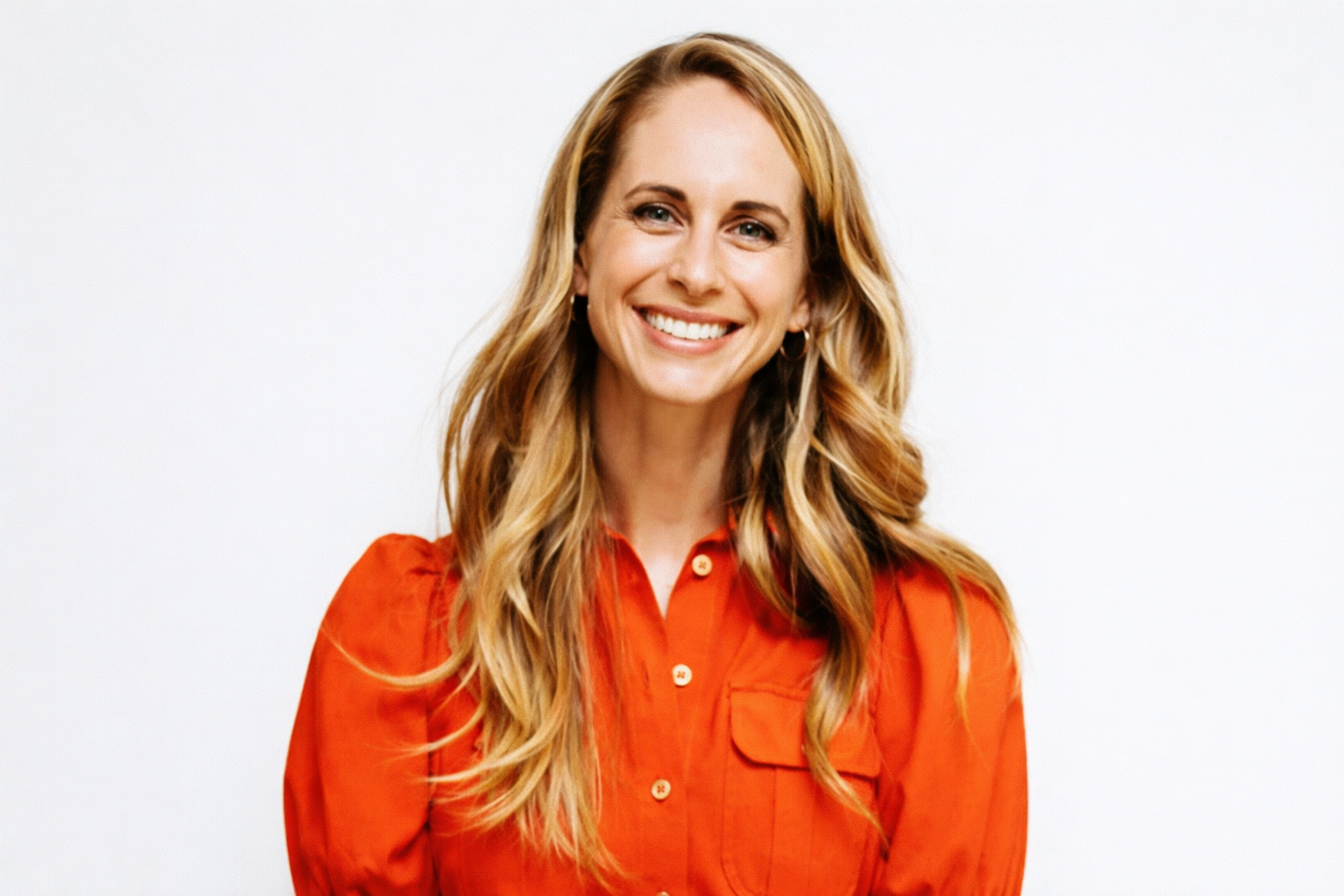
Sarah Paiji Yoo did.
As the co-founder and CEO of Blueland, she helped turn a simple but powerful idea into a recognizable consumer brand. Instead of asking people to keep buying more plastic bottles filled mostly with water, Blueland offered a different approach. Reusable bottles. Concentrated tablets. Water added at home. A product system built around refilling rather than replacing.
That may sound straightforward now, but part of what makes Sarah Paiji Yoo’s success with Blueland so interesting is that she helped make refillable cleaning feel mainstream, not fringe. She did not build the company around guilt or complicated environmental messaging alone. She built it around usability, design, convenience, and a product experience that people could actually stick with.
That is a big reason Blueland became a standout name in refillable cleaning.
Who Sarah Paiji Yoo Is and Why Blueland Caught Attention
Sarah Paiji Yoo is not just the founder attached to a sustainability story. She is the kind of entrepreneur who saw a stale category and realized it was overdue for a rethink. The cleaning aisle had plenty of brands, plenty of scents, and plenty of packaging claims, but very little true change in how products were delivered.
That gap mattered.
Consumers were becoming more aware of single-use plastic, waste reduction, and the environmental cost of everyday household habits. At the same time, many people were still not willing to compromise on convenience. That is where Sarah Paiji Yoo found her opening. Blueland could not just be greener. It had to be easier to understand, satisfying to use, and good enough to earn repeat purchases.
That mindset helped separate Blueland from a lot of other mission-driven brands. The company was not built to feel like a niche alternative for a small group of eco-conscious shoppers. It was built to compete in the broader household cleaning market.
The Problem Sarah Paiji Yoo Wanted Blueland to Solve
Traditional cleaning products create waste in more ways than one. The obvious issue is the bottle itself. A large portion of household cleaners are sold in plastic packaging that often gets discarded after one use cycle. But the less obvious issue is what those bottles usually contain. In many cases, they are mostly water.
That means brands are manufacturing plastic packaging, filling it with diluted product, shipping that weight around, and asking consumers to buy the same container again and again.
Sarah Paiji Yoo saw how inefficient that model was. Blueland’s response was to strip the product back to what people actually needed. Instead of shipping a bottle full of liquid cleaner, the company built a refill system around tablets and reusable containers. Shoppers would keep the bottle and simply add water at home.
It is one of those ideas that feels obvious once you hear it, but making it work in the real world required more than a clever concept. It had to perform well, look trustworthy, and fit naturally into daily routines.
How Blueland Made Refillable Cleaning Feel Practical
A lot of sustainable products struggle because they ask too much from the customer. They might be better for the planet, but they can also be messy, awkward, expensive, or unclear.
Blueland did a good job avoiding that trap.
Its system was easy to understand. You start with a reusable bottle, drop in a tablet, add water, and use the product like you would any other cleaner. That simplicity mattered. Consumers do not want to study instructions every time they switch brands. They want something that fits into real life.
Just as important, the company made the experience feel polished. The bottles looked intentional. The packaging felt modern. The brand language was clean and direct. Instead of making sustainability feel like a chore, Blueland made it feel organized and doable.
That is a major reason Sarah Paiji Yoo and Blueland stood out. They were not only selling plastic-free cleaning products. They were selling a smoother habit.
The Early Product Strategy That Helped Blueland Grow
Blueland also made a smart decision in the kinds of products it focused on first. Rather than starting with something overly niche, it built around everyday categories that people already buy again and again.
That included products like multi-surface cleaner, bathroom cleaner, glass and mirror cleaner, and foaming hand soap. These were familiar household items, which meant customers did not need to be persuaded to adopt a whole new behavior from scratch. They only needed to try a new format.
That difference is important.
It is often easier to change the delivery method than to change the underlying need. People were always going to need hand soap and spray cleaner. Sarah Paiji Yoo’s challenge was to make the refillable version feel like the better choice.
By focusing on everyday essentials, Blueland created repeat-use opportunities and a stronger foundation for customer retention. Once a person liked one product, it became easier for the brand to introduce them to another.
Why Design Became a Real Competitive Advantage
In refillable cleaning, design is not just a cosmetic detail. It plays a direct role in adoption.
If the bottle feels flimsy, the label looks confusing, or the process seems clunky, the system falls apart. Consumers might admire the mission and still go back to the same products they used before.
Sarah Paiji Yoo understood that. Blueland’s visual identity helped make the refill concept more appealing. The reusable bottles, minimalist look, and neat presentation made the products feel more at home on a kitchen counter or bathroom sink.
That design-forward approach gave the company an advantage in a market where many traditional cleaning brands still feel utilitarian and forgettable. Blueland looked like a modern consumer packaged goods brand, not a compromise purchase.
This is one of the most useful founder lessons in the company’s story. Good branding is not separate from product performance. In categories like this, it is part of product performance.
The Shark Tank Moment Helped Turn Curiosity Into Visibility
Blueland also benefited from a major awareness boost when it appeared on Shark Tank. For many young brands, that kind of exposure can create a temporary spike in attention. What matters is whether the business has enough substance to keep growing after the spotlight fades.
That is where Blueland’s story becomes more interesting than a simple TV success narrative.
The Shark Tank appearance helped introduce the refillable cleaning concept to a much wider audience, but the company did not rely on that moment alone. It kept building. It expanded the product line. It strengthened the brand. It continued educating customers on why refillable home care made sense.
That follow-through matters more than the TV feature itself. Plenty of brands get attention. Fewer turn that attention into long-term traction.
How Sarah Paiji Yoo Expanded Blueland Beyond One Clever Idea
One risk for any startup built around a strong concept is getting stuck as a one-product novelty. A lot of brands become known for a single breakthrough item and then struggle to evolve.
Blueland avoided that by growing into a broader sustainable home care brand.
Over time, the company expanded beyond spray cleaners into other categories like laundry detergent tablets, dishwasher tablets, toilet bowl cleaner tablets, and additional refillable personal and household products. That move was important because it shifted the brand from one interesting product format into a fuller ecosystem.
This helped reinforce the larger promise behind Blueland. The company was not just saying one cleaner could be sold differently. It was arguing that a whole range of home care products could be redesigned around reuse, lower waste, and better systems.
That kind of expansion takes discipline. It is easy for growing brands to stretch too fast or chase trends that dilute what made them special in the first place. Sarah Paiji Yoo’s success with Blueland came in part from growing the catalog in ways that still felt aligned with the core mission.
Why Blueland Became More Than a DTC Sustainability Brand
Blueland started in a way many modern brands do, with a strong direct-to-consumer brand identity. That gave the company control over messaging, education, and customer experience.
But a lot of digitally native brands hit a wall when they stay in that lane too long.
To become a more recognized player in the market, Blueland had to show it could move beyond a niche online audience. It had to prove that refillable cleaning could earn shelf space, mainstream interest, and trust from everyday shoppers who may not spend time searching for eco-friendly startups.
That shift matters because it changes how a brand is perceived. Instead of being seen as a clever ecommerce concept, it starts to look like a real category contender.
For Sarah Paiji Yoo, that was one of the biggest signals of achievement. Blueland was no longer just a mission-led startup speaking to early adopters. It was becoming part of the larger conversation around the future of eco-friendly cleaning products.
How Retail Expansion Strengthened Blueland’s Position
Retail expansion played a major role in that next phase.
Blueland’s growth into Whole Foods Market gave the brand broader visibility and stronger physical-world credibility. Its later expansion into Target pushed that reach even further. Once a company moves from being primarily an online discovery to showing up in familiar national retail spaces, the brand starts to feel bigger, more proven, and more accessible.
That matters in a category like cleaning, where habit and convenience drive so much of consumer behavior. People may believe in the refill model, but retail presence helps turn that belief into easier trial.
It also signals confidence from major retailers. Shelf space is competitive. A brand does not earn national placement just because it has a compelling mission. It has to show product-market fit, consumer demand, and enough operational strength to support growth.
That is why Blueland’s retail expansion says something meaningful about Sarah Paiji Yoo’s leadership. She did not just create a product people talked about. She helped build a business that scaled into mainstream retail environments while keeping its core identity intact.
What Sarah Paiji Yoo Did Right as a Founder
Looking at Blueland’s rise, a few things stand out.
First, Sarah Paiji Yoo identified a problem that was easy to understand once framed clearly. The waste in cleaning products was hiding in plain sight, and Blueland turned that into a consumer-facing story that made immediate sense.
Second, she made sustainability feel more approachable. The brand did not rely only on abstract environmental language. It gave people a product system they could actually use in daily life.
Third, she treated product, design, and brand as parts of the same strategy. That helped Blueland feel more premium, modern, and trustworthy.
Fourth, she expanded thoughtfully. Instead of wandering away from the original promise, the company kept building around refillable, lower-waste home care.
And finally, she pushed the brand beyond the DTC bubble. That helped Blueland become not just a startup with a good mission, but a more established player in the wider cleaning category.
The Bigger Impact of Blueland on the Cleaning Industry
Blueland’s growth also reflects a broader shift in consumer expectations. More shoppers now want brands to rethink systems, not just surface-level packaging. They are paying more attention to reusable packaging, waste reduction, and products that align with a more low-waste lifestyle.
In that environment, Sarah Paiji Yoo and Blueland helped push the conversation forward. The company made refillable cleaning more visible and more believable. It showed that the category could move beyond the old one-bottle-per-purchase model.
That does not mean Blueland changed the entire industry overnight. But it did help make refillable home care feel like a serious business model rather than a fringe idea.
That is what makes the company’s story worth paying attention to. Sarah Paiji Yoo did not just build a brand around sustainability messaging. She helped build a product system, a customer habit, and a retail-ready business that made refillable cleaning feel relevant at scale.